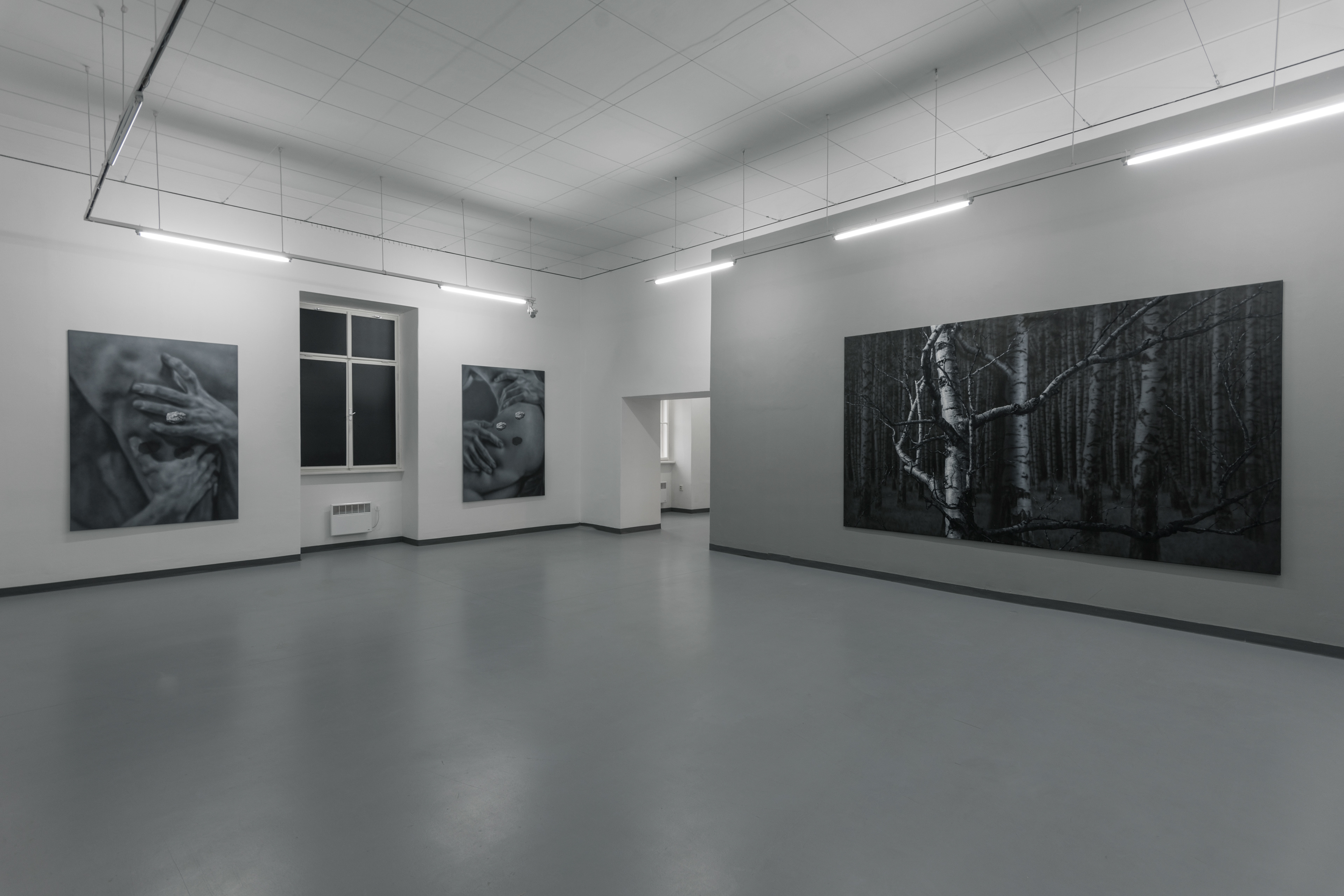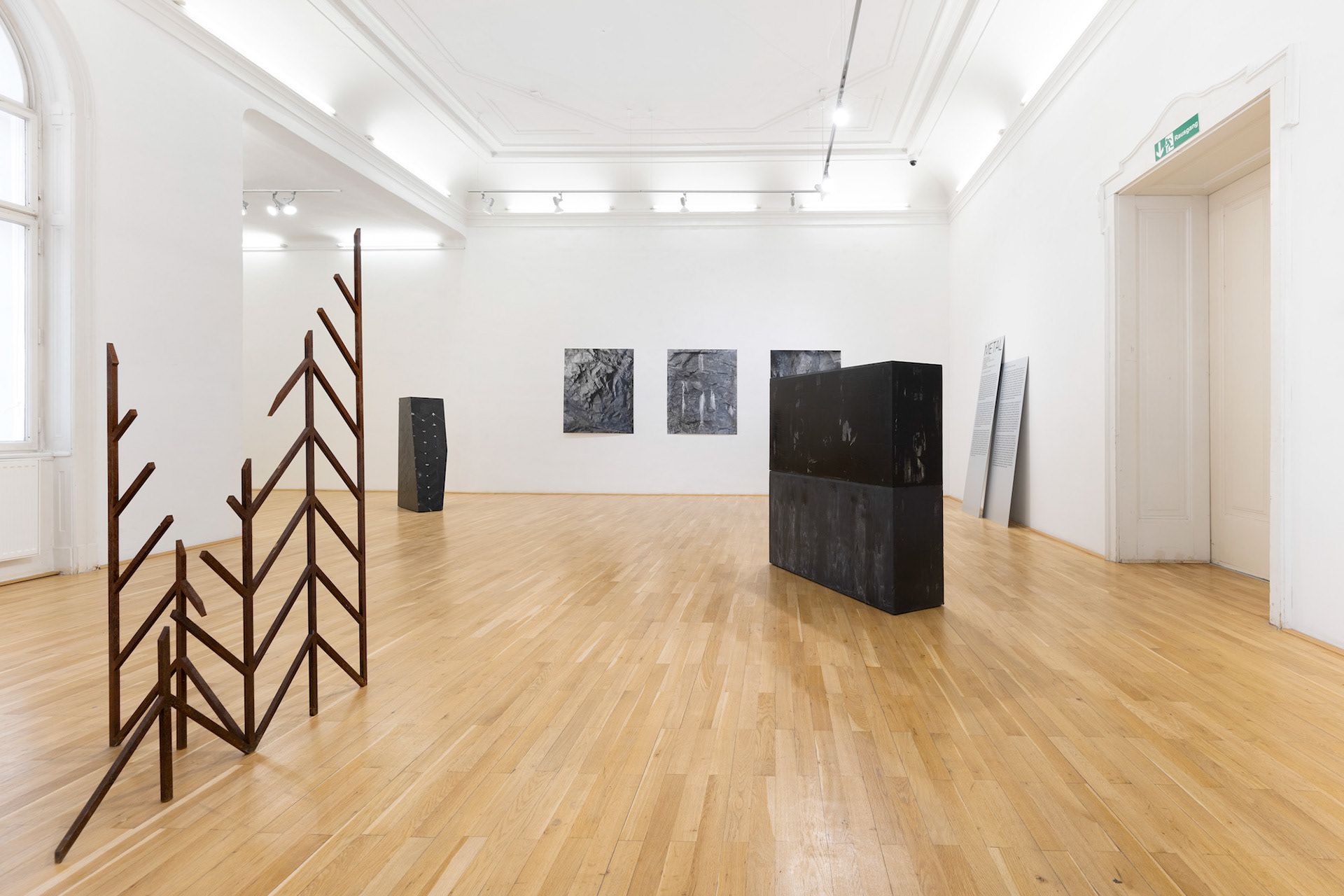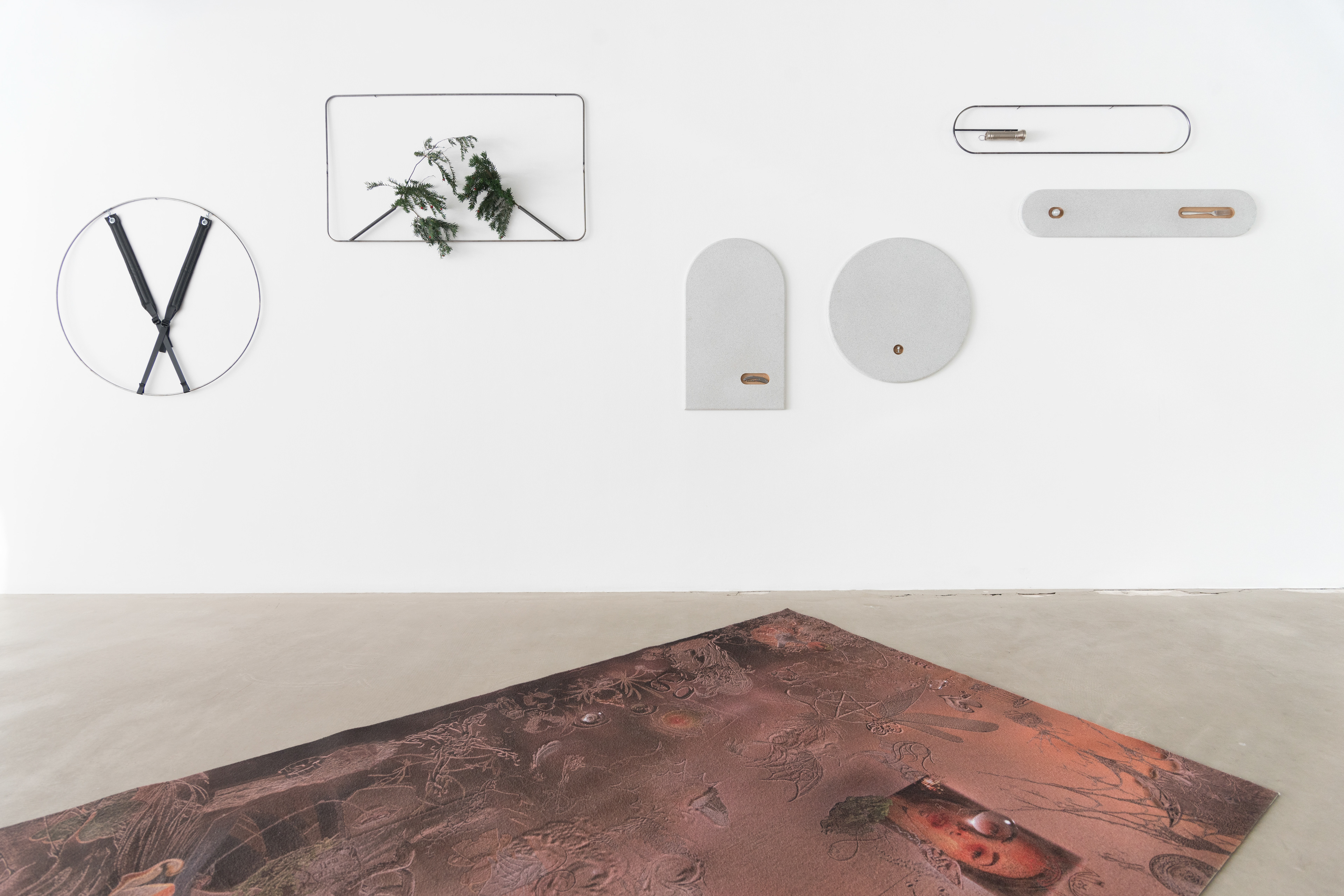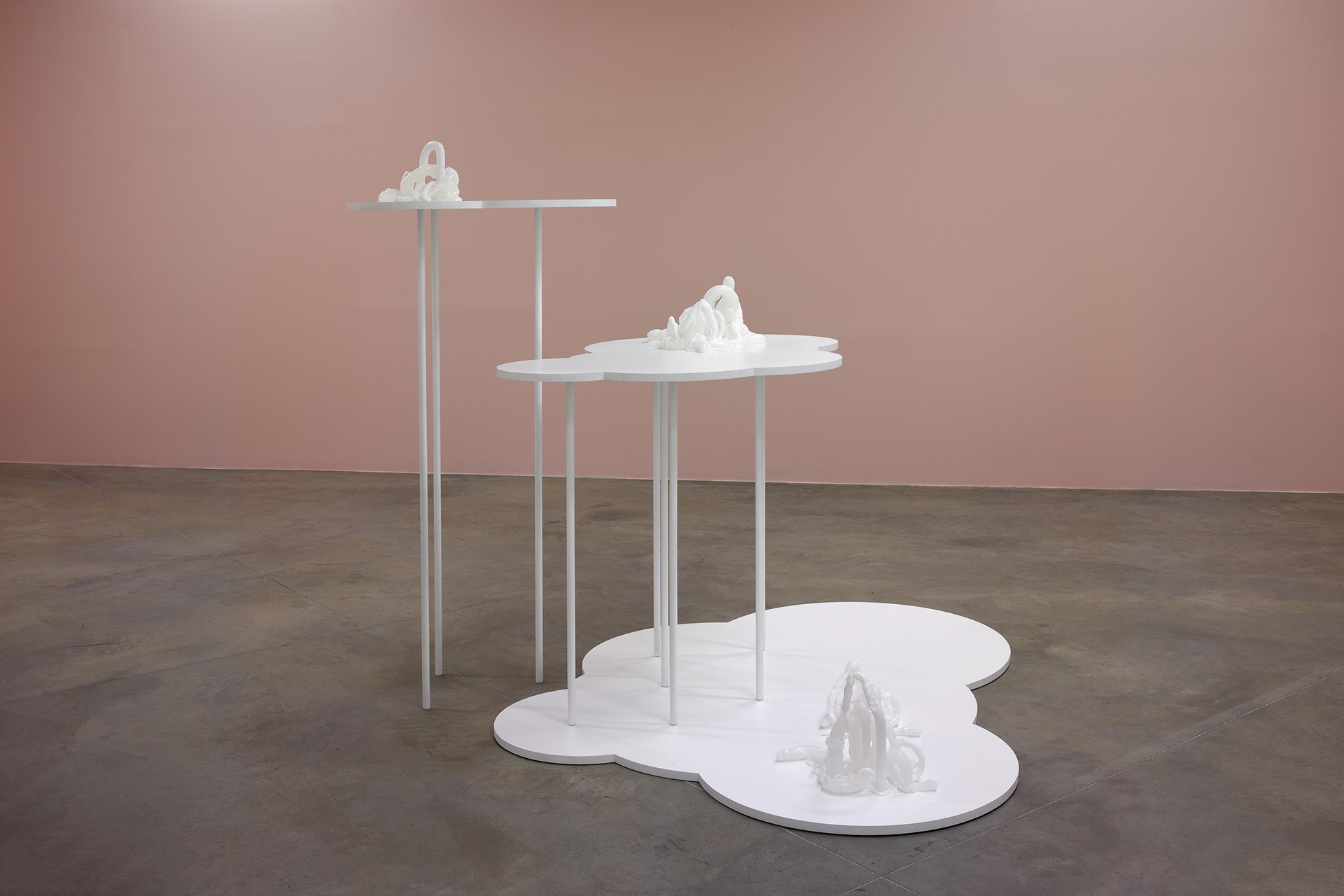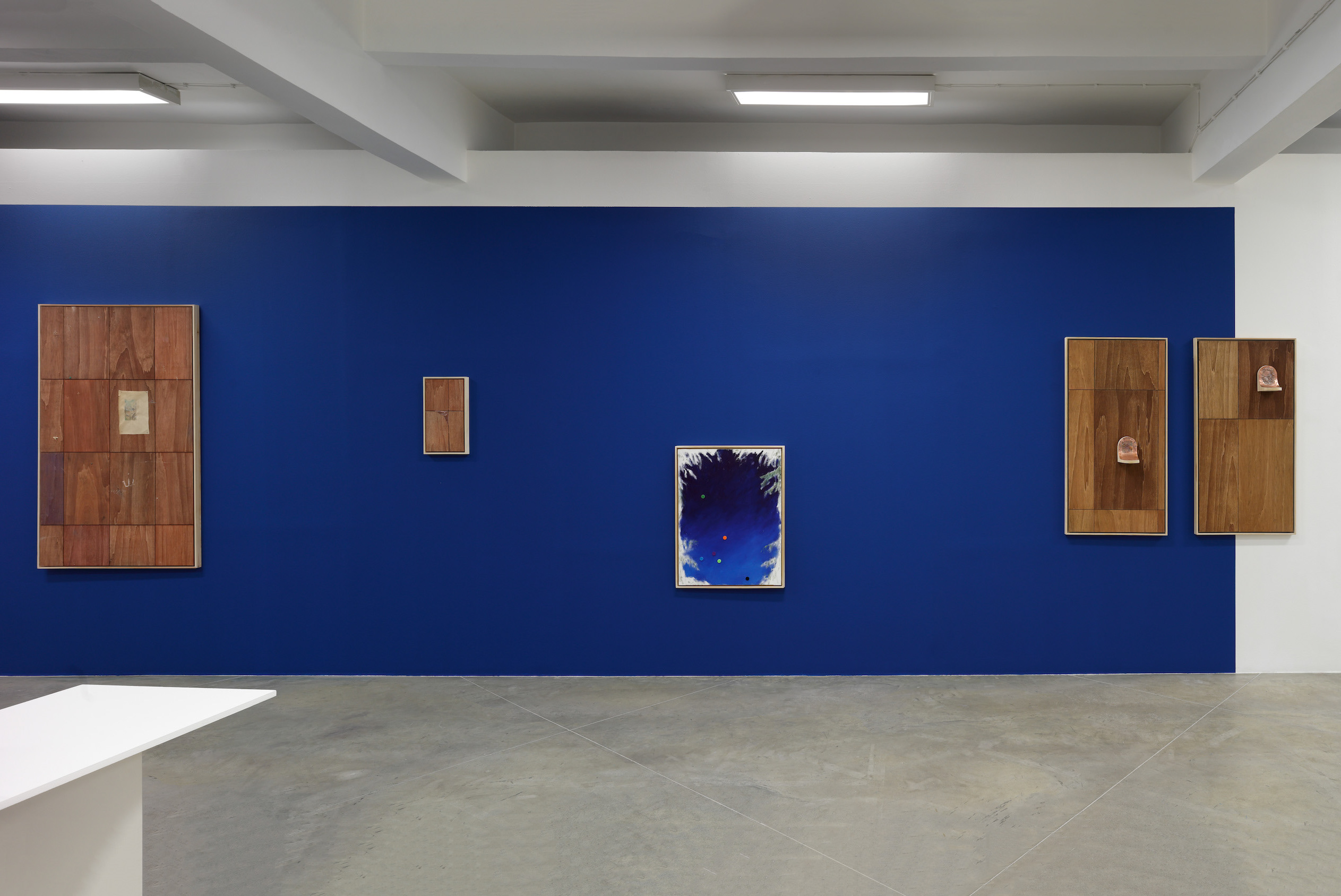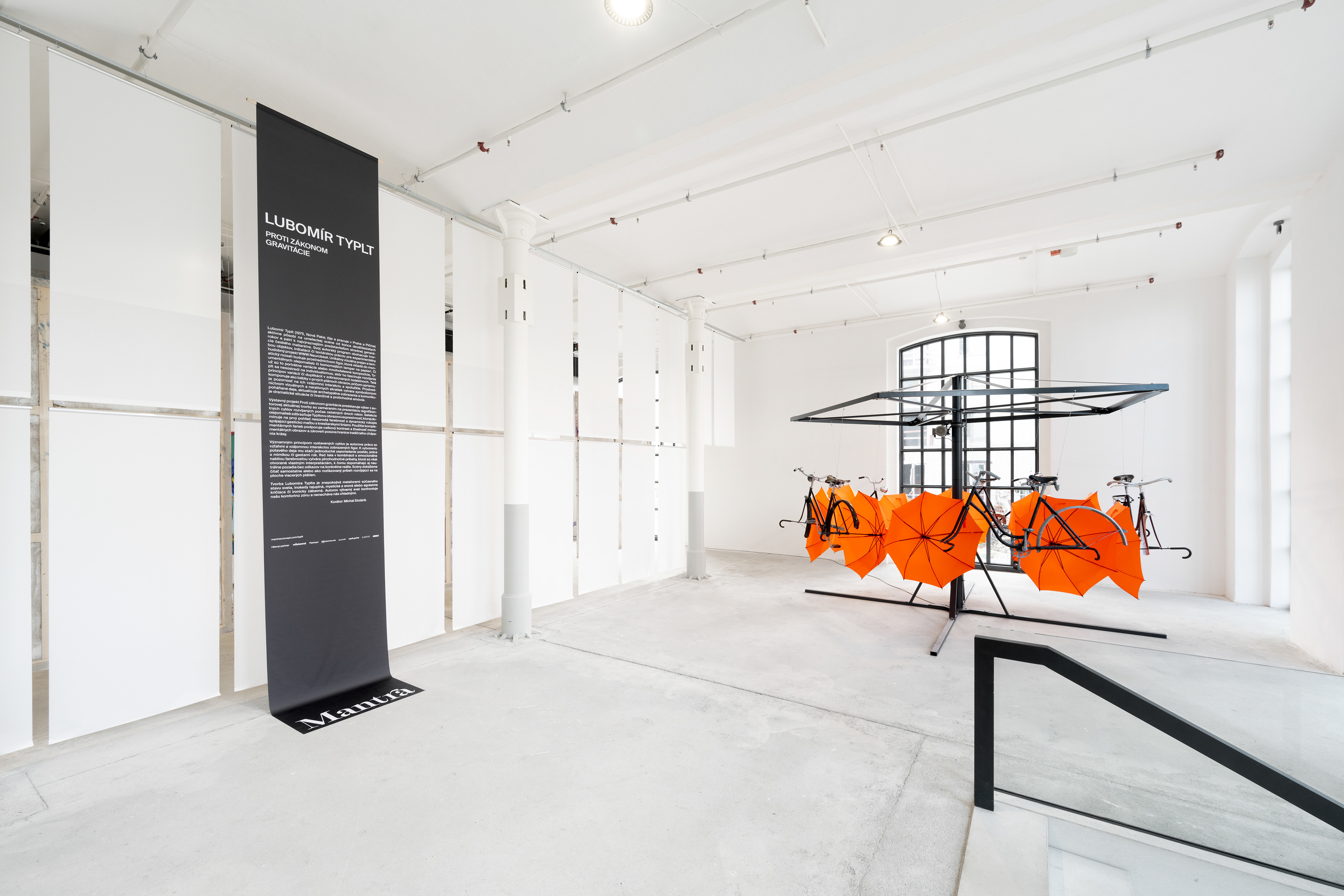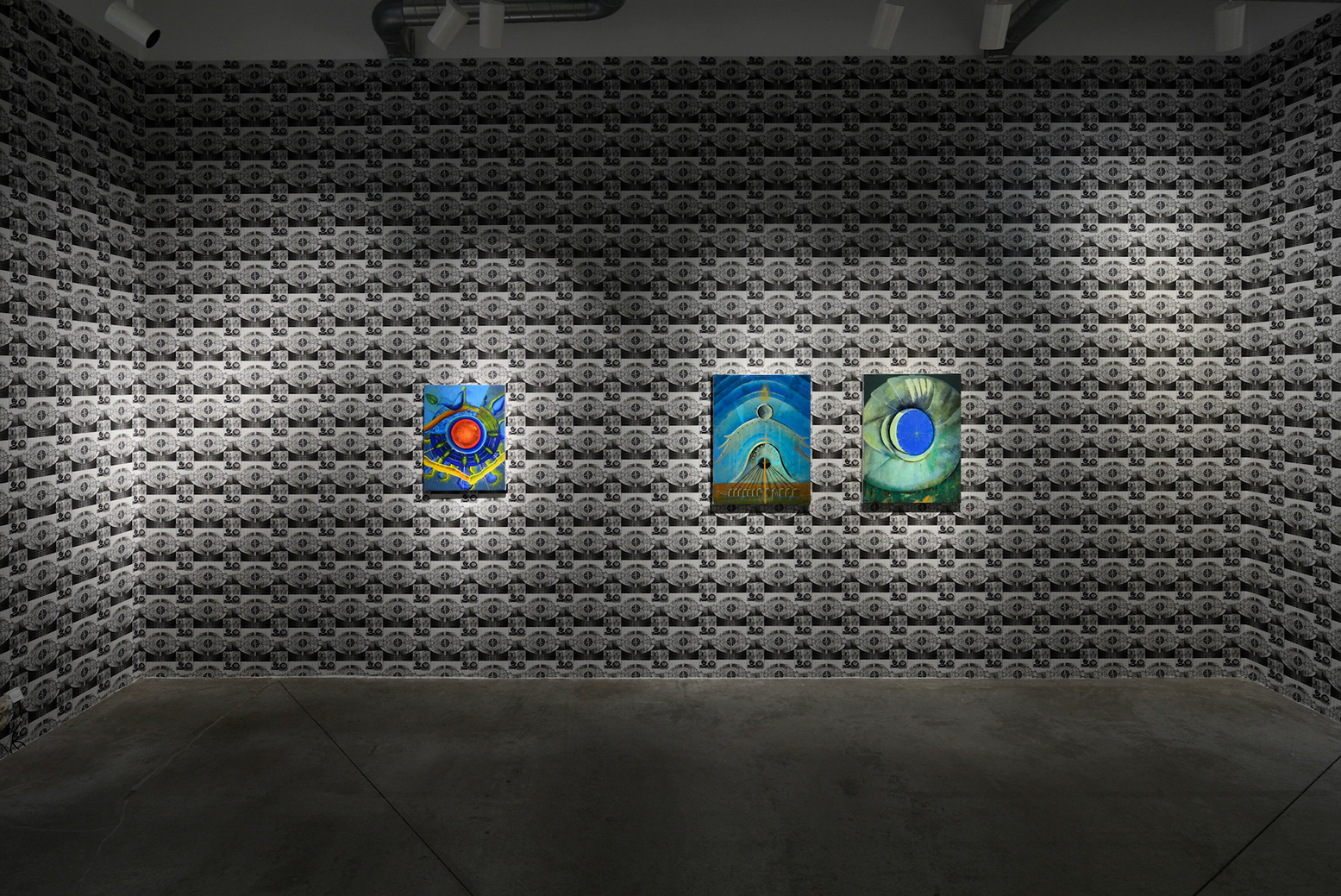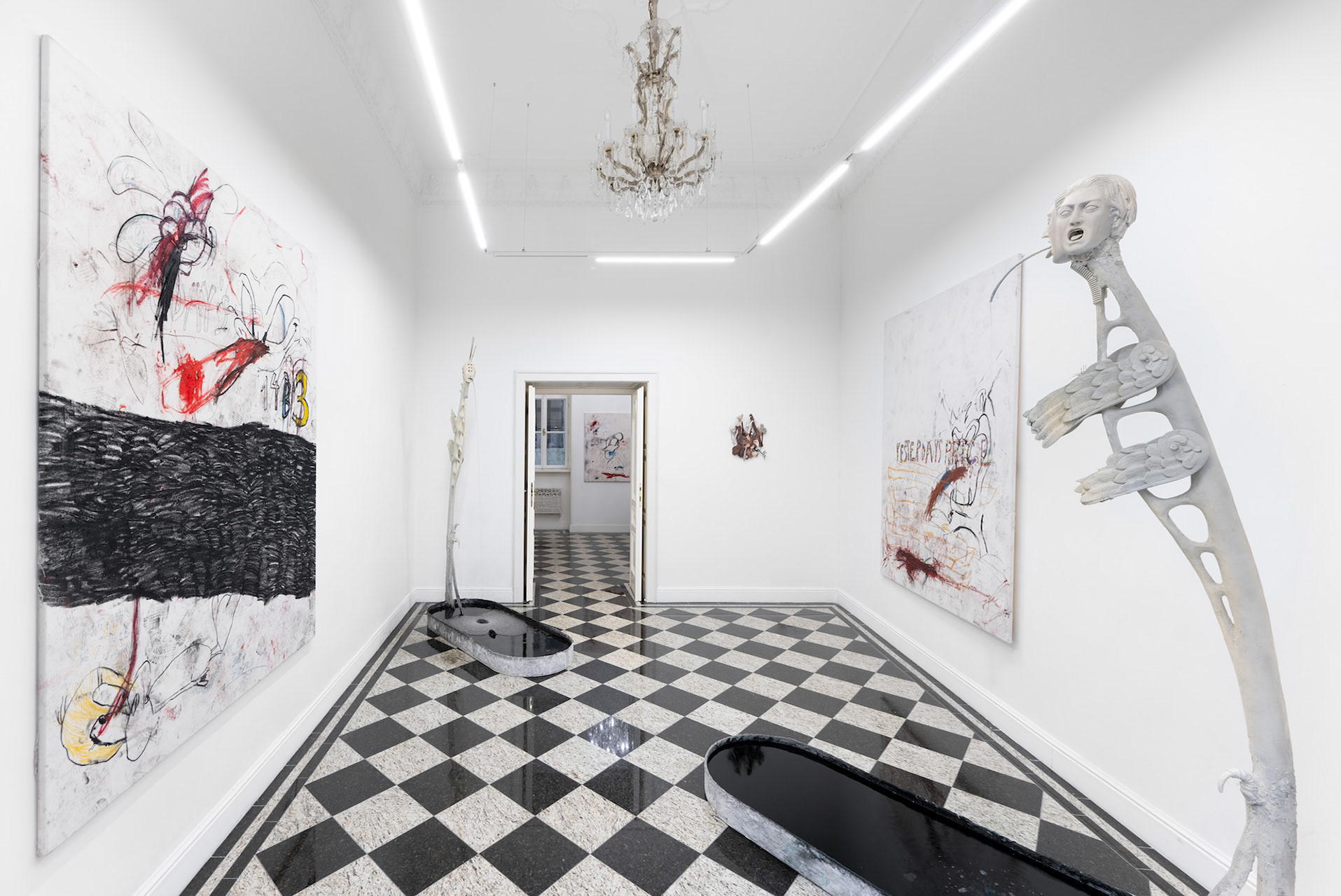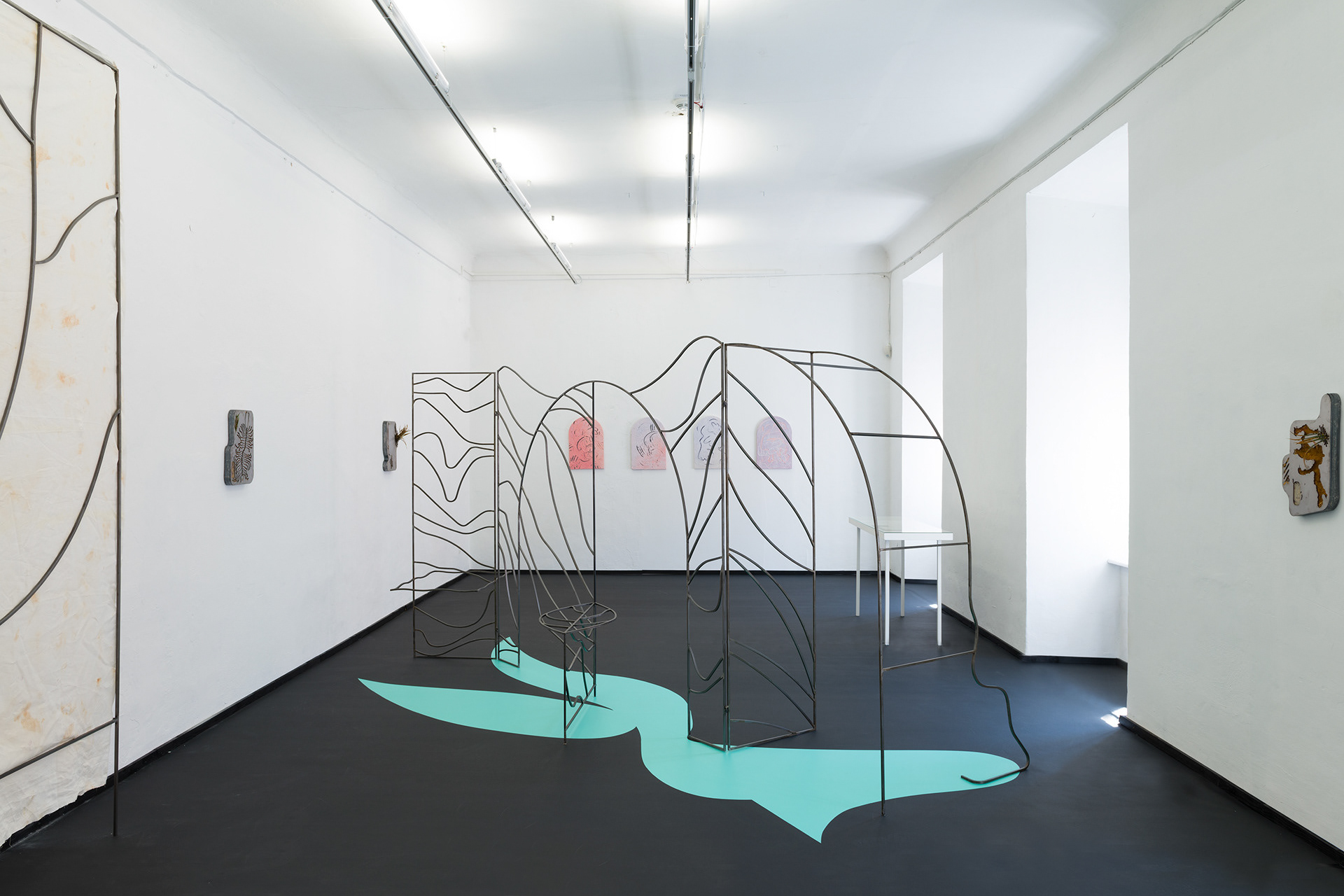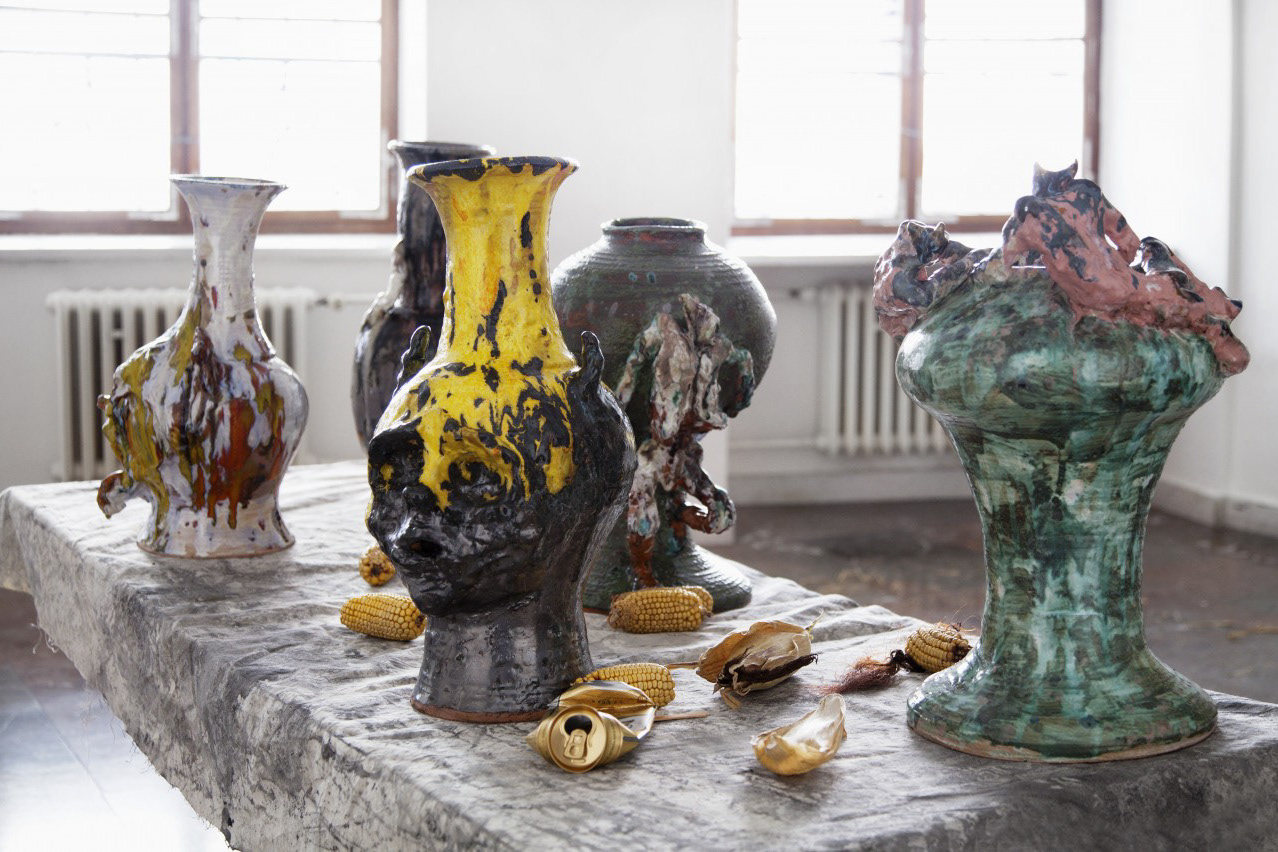
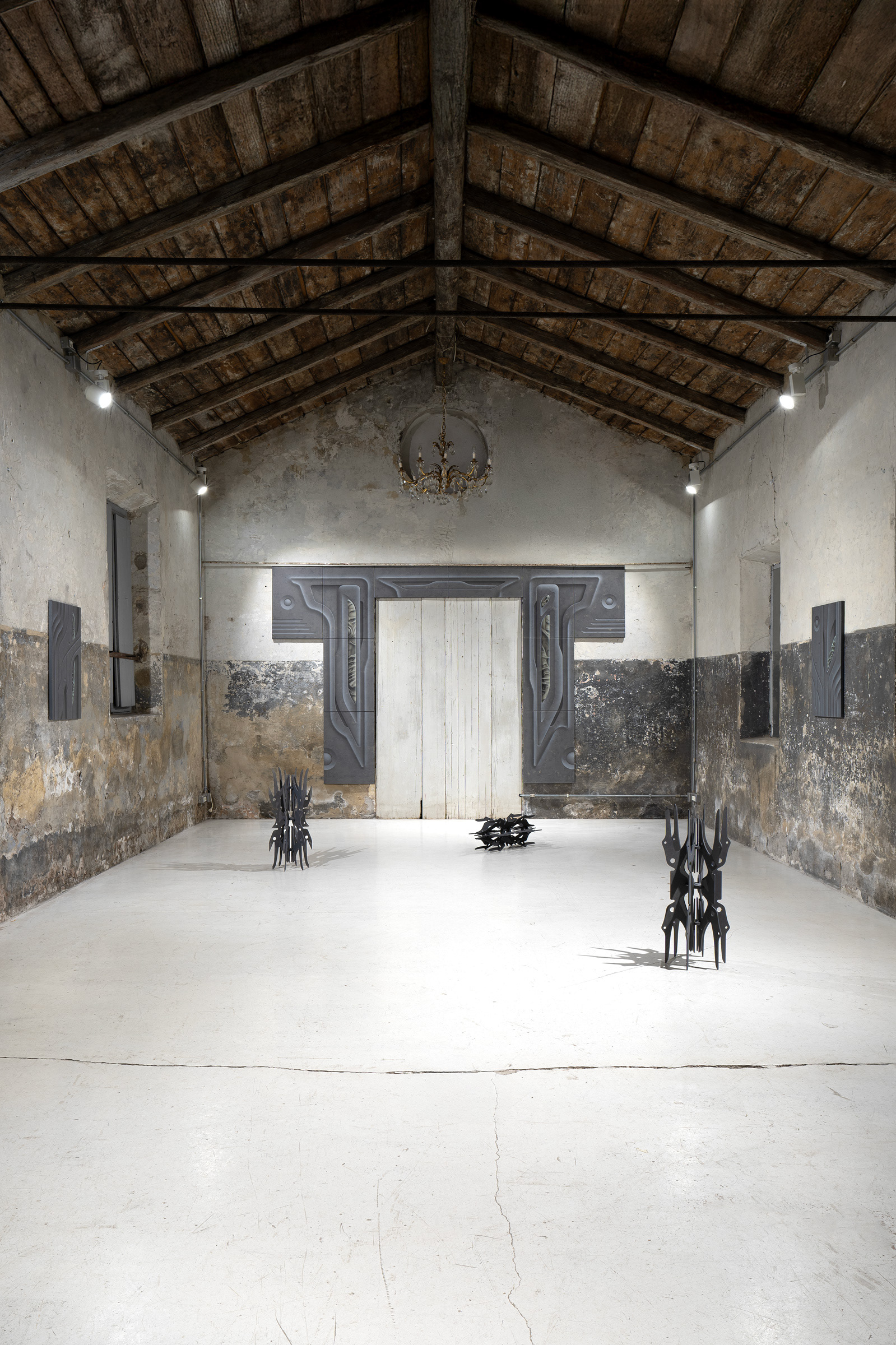
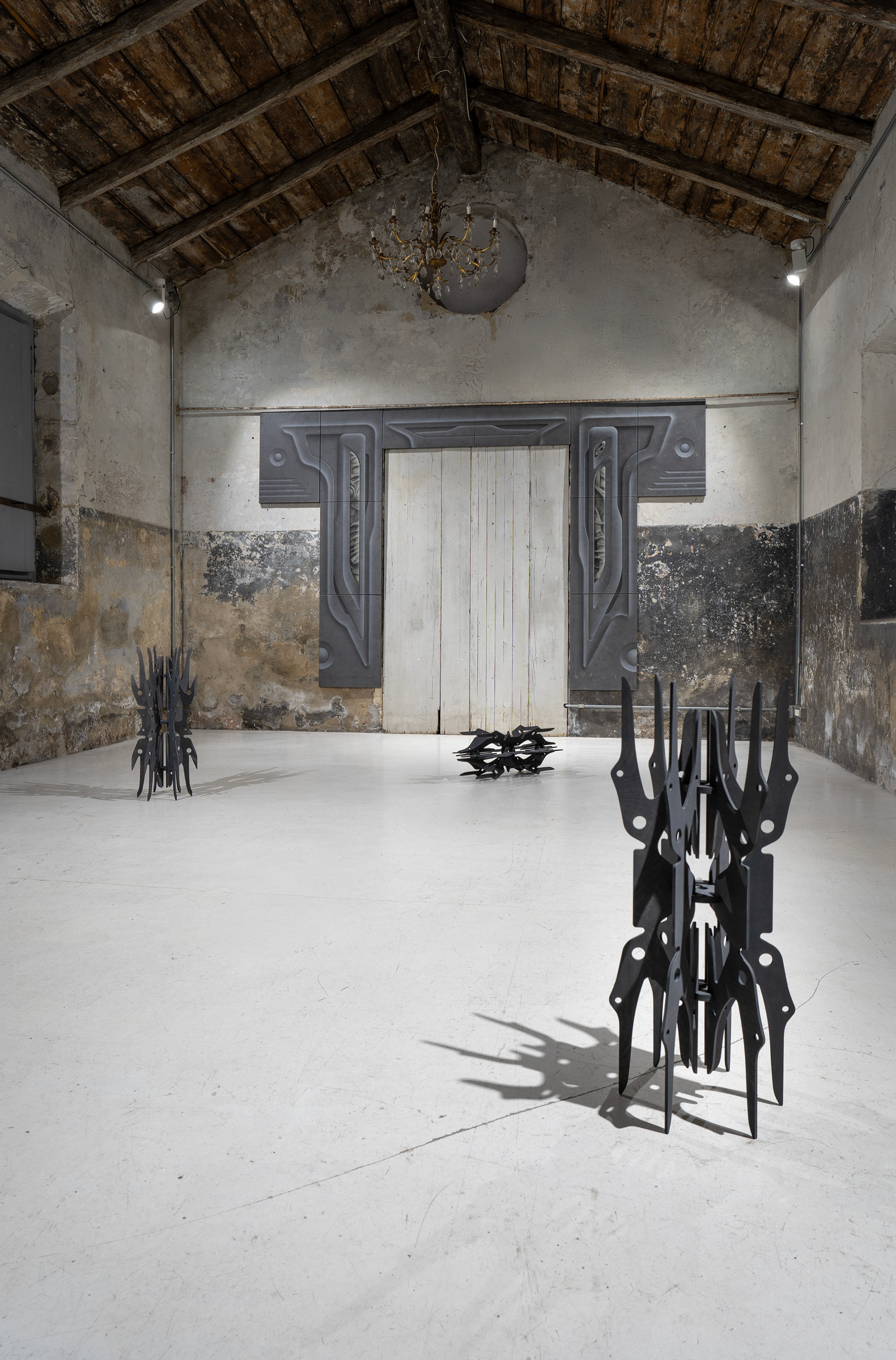
The space breathes history, saturated with moisture, time, and traces of the past, inviting us to step into another dimension. A delicate fissure between worlds opens before us — a fragment of an unknown portal. We find ourselves at the edge between reality and fiction, between surface and depth, between what is alive and what merely resembles life. The thin line symbolizes what lies ahead and what lies behind, what has been and what is yet to come. It is a place where forms transform, materials lose their identity, and physical experience dissolves into memory and the digital flow of data. Time behaves elastically; here, the past and the future speak through the lens of the present.
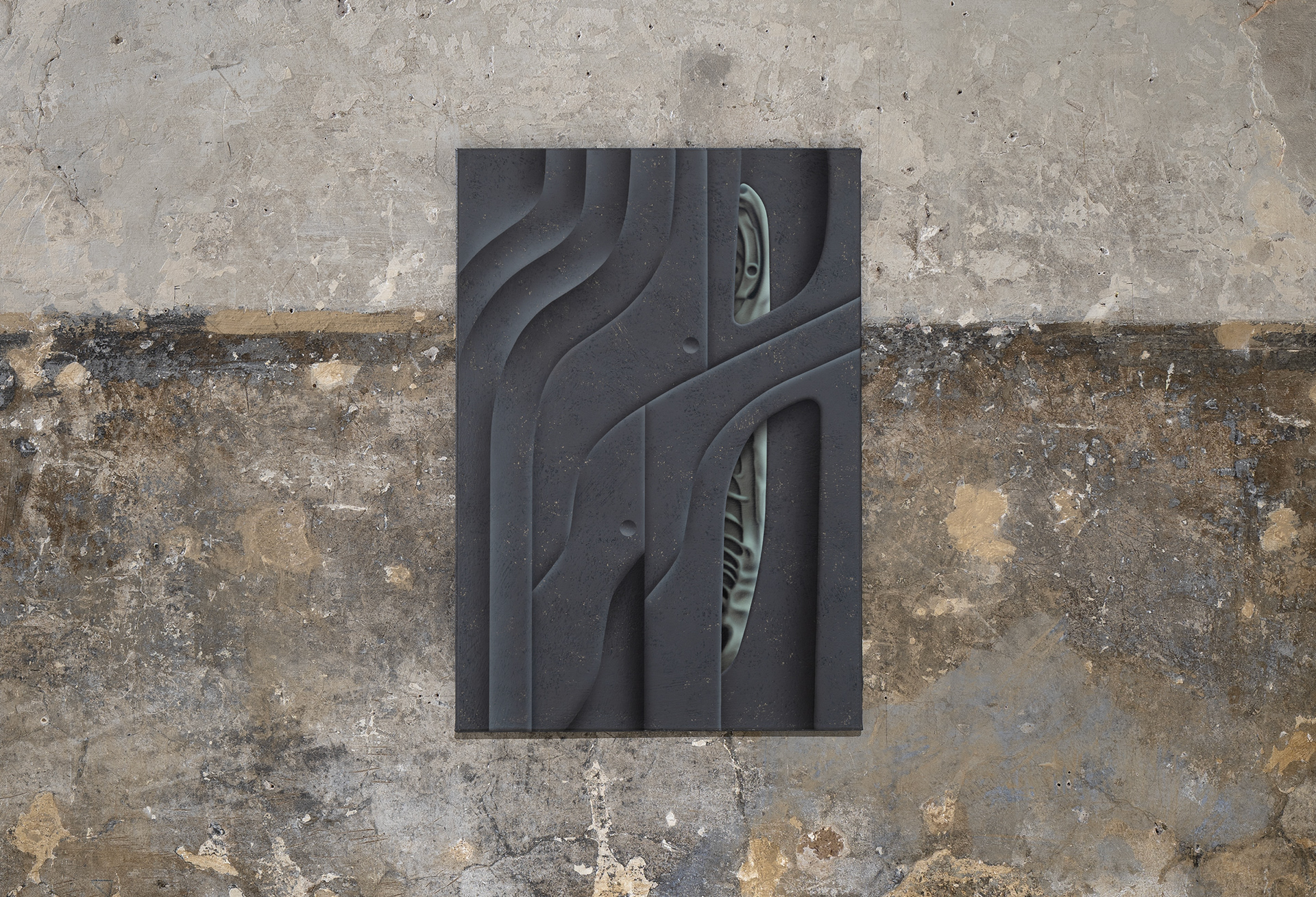
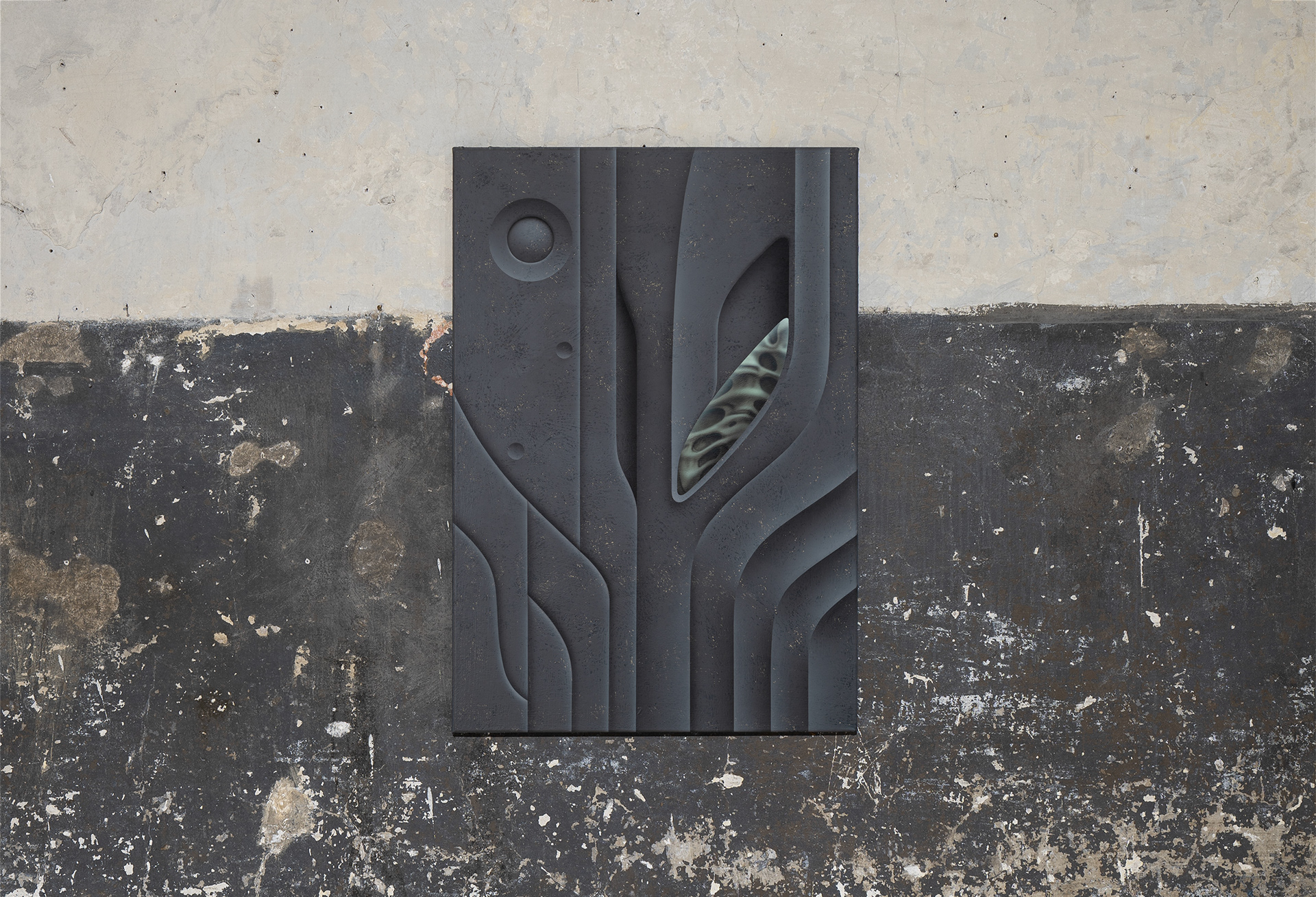
Milan Vagač (b. 1987, Bratislava), a Prague-based Slovak visual artist, has in recent years focused his artistic practice on the fluid intersection of painting, object, and spatial installation, exploring it within the context of the physical image inspired by both technological and digital environments. He juxtaposes a distinctly systematic approach — a tendency toward analogue variations, formal rigidity, and the modularity of individual elements — with organic forms, natural materials, and raw textures. In his paintings, we witness a natural transition from abstract image toward figurative suggestion, with the viewer’s experience playing a crucial role. Static geometric elements coexist effortlessly in dialogue with fragments of living organisms. On the canvases, Vagač creates an illusion of volume, inviting a haptic encounter. His unique morphology borders on design and architecture, yet simultaneously resonates with the organic forms and rhythms of nature.
The solo exhibition The Verge traces the evolution of the artist’s signature style and highlights the ever-intensifying approach of responding to the character of individual spaces and locations.
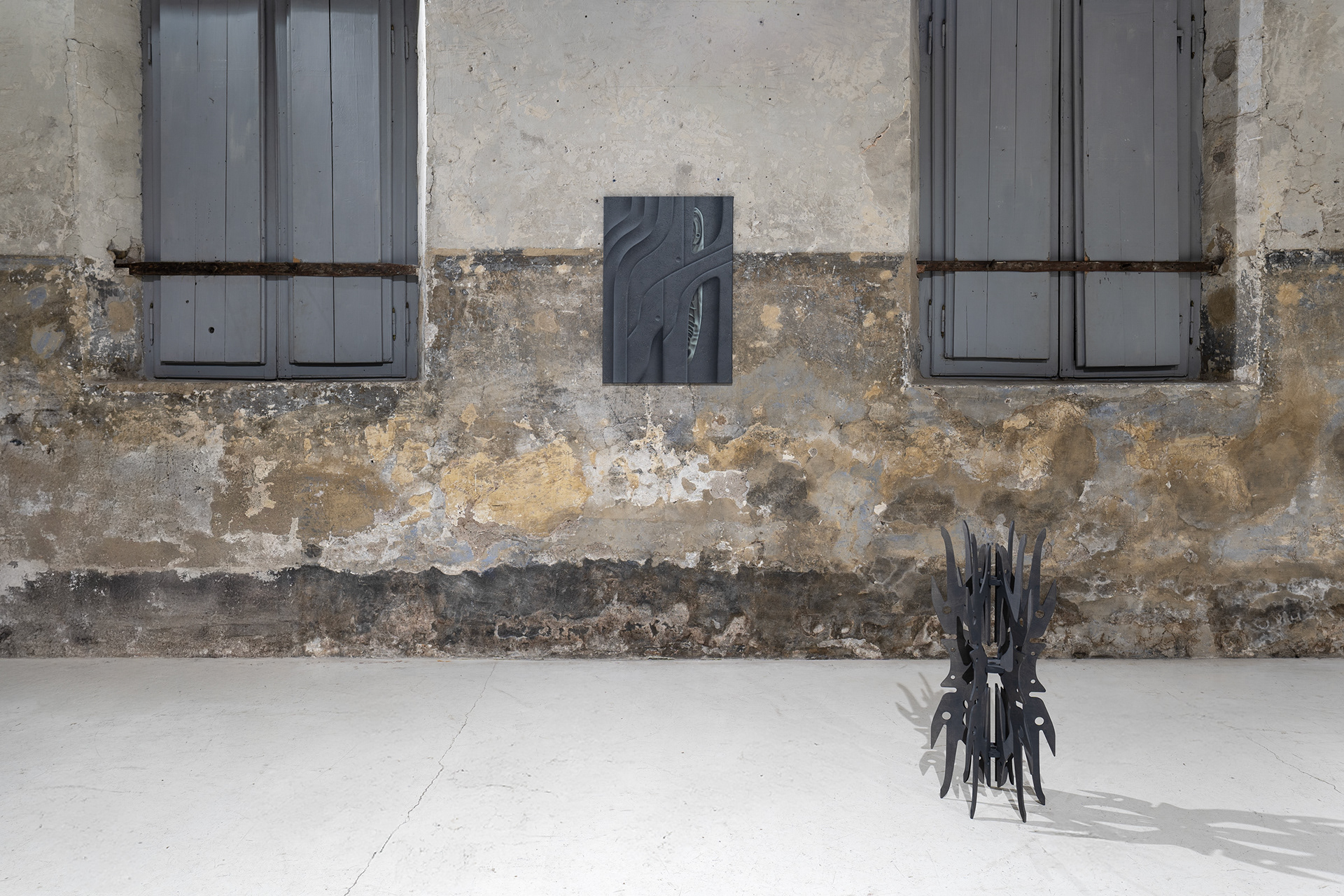
At Label201 Gallery in Rome, it thematically leans toward the convergence of the technological and biological worlds, exploring the boundary between surface and depth while evoking an atmosphere of dystopia, science fiction, and a kind of de-spiritualized transcendence. On the canvas surfaces, the artist presents details of ambiguous objects that raise questions about their function or time of origin.
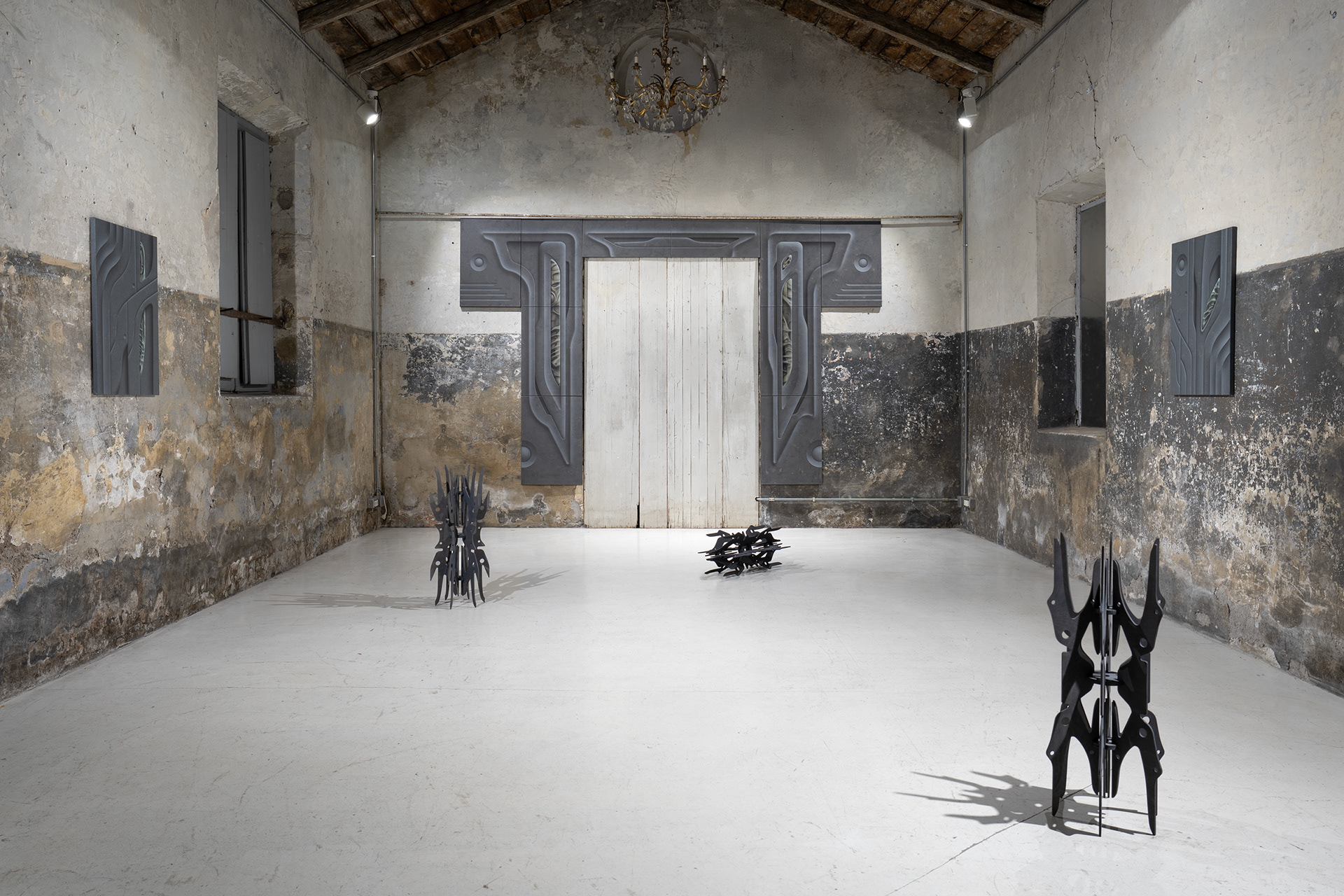
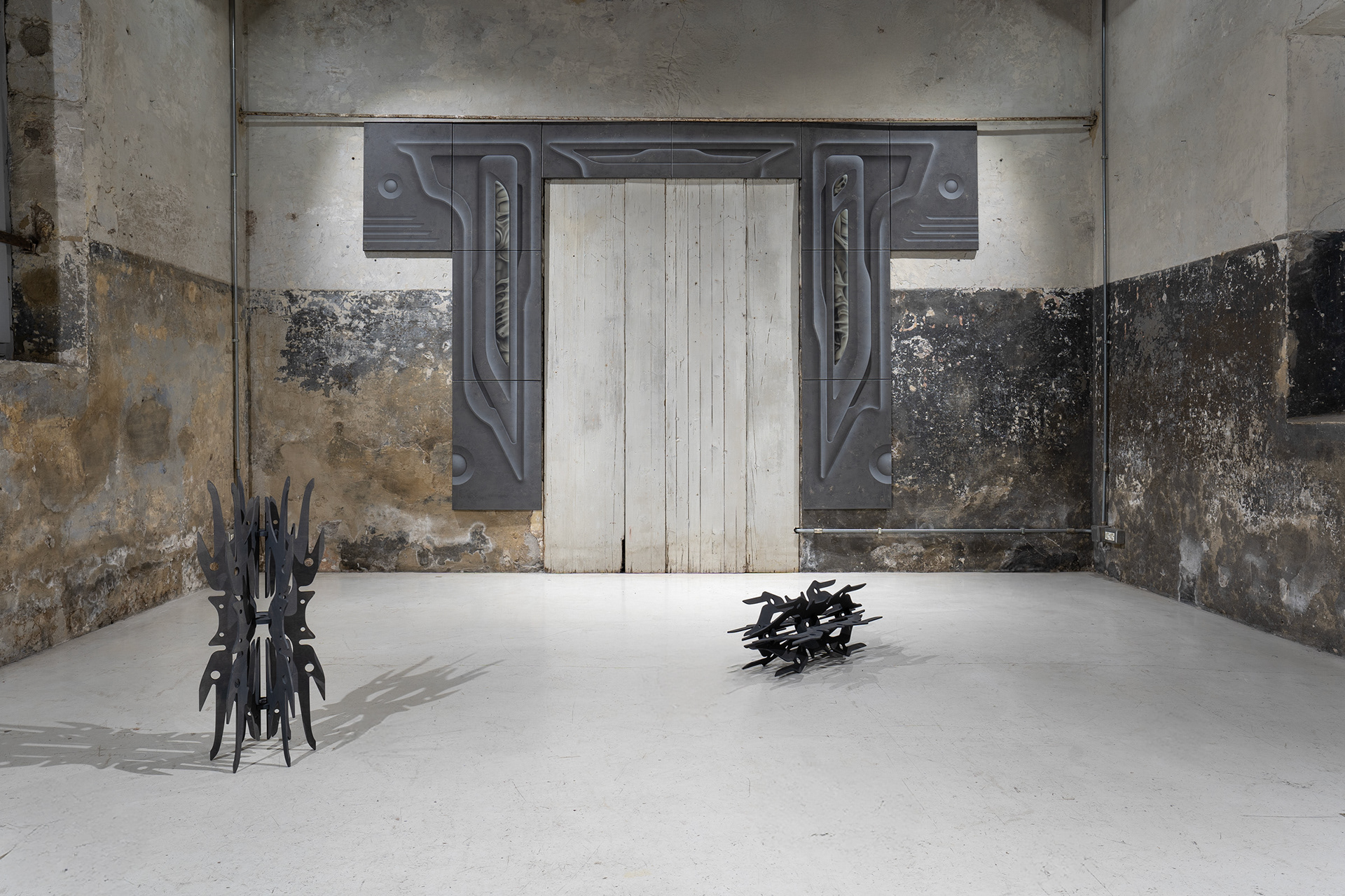
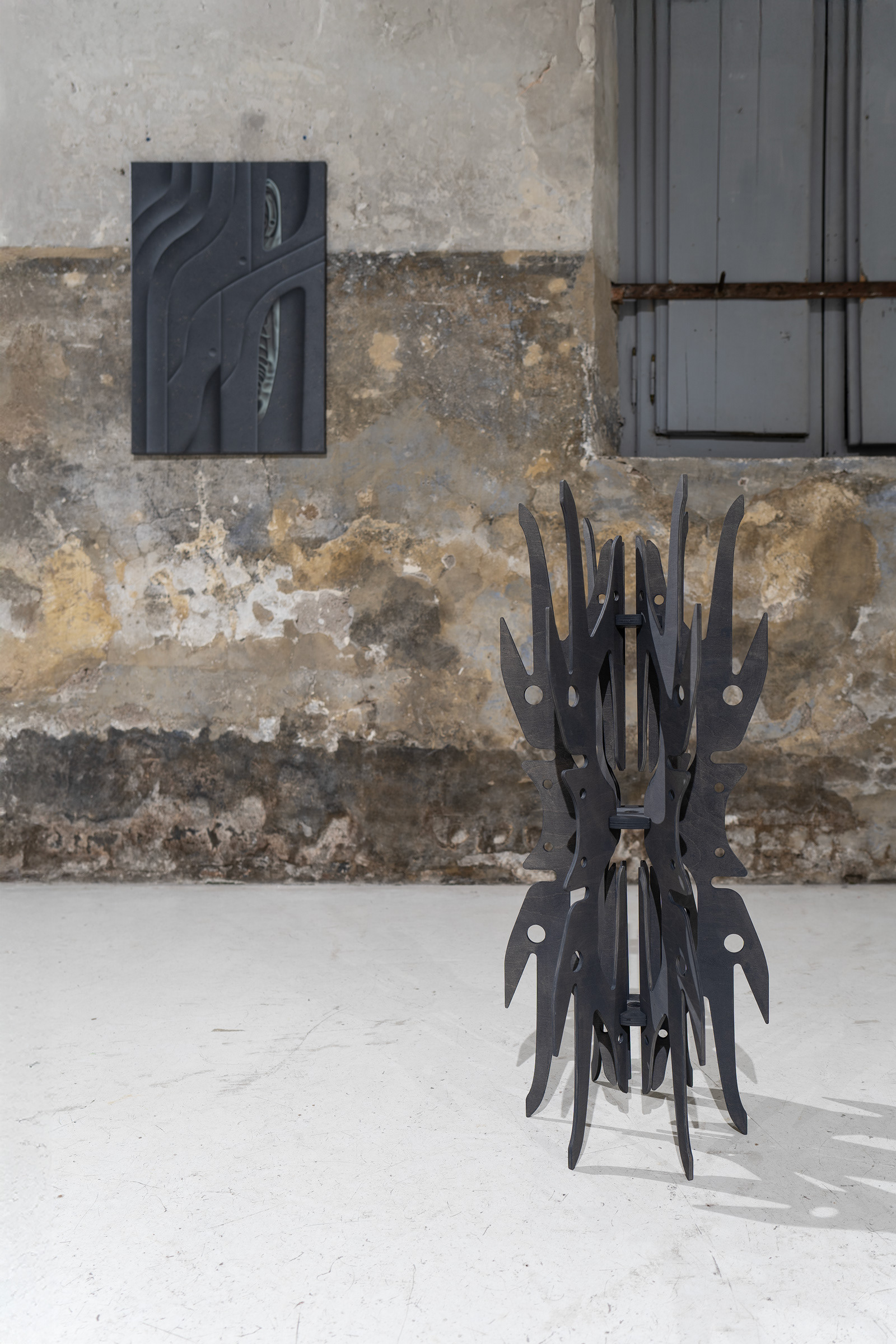
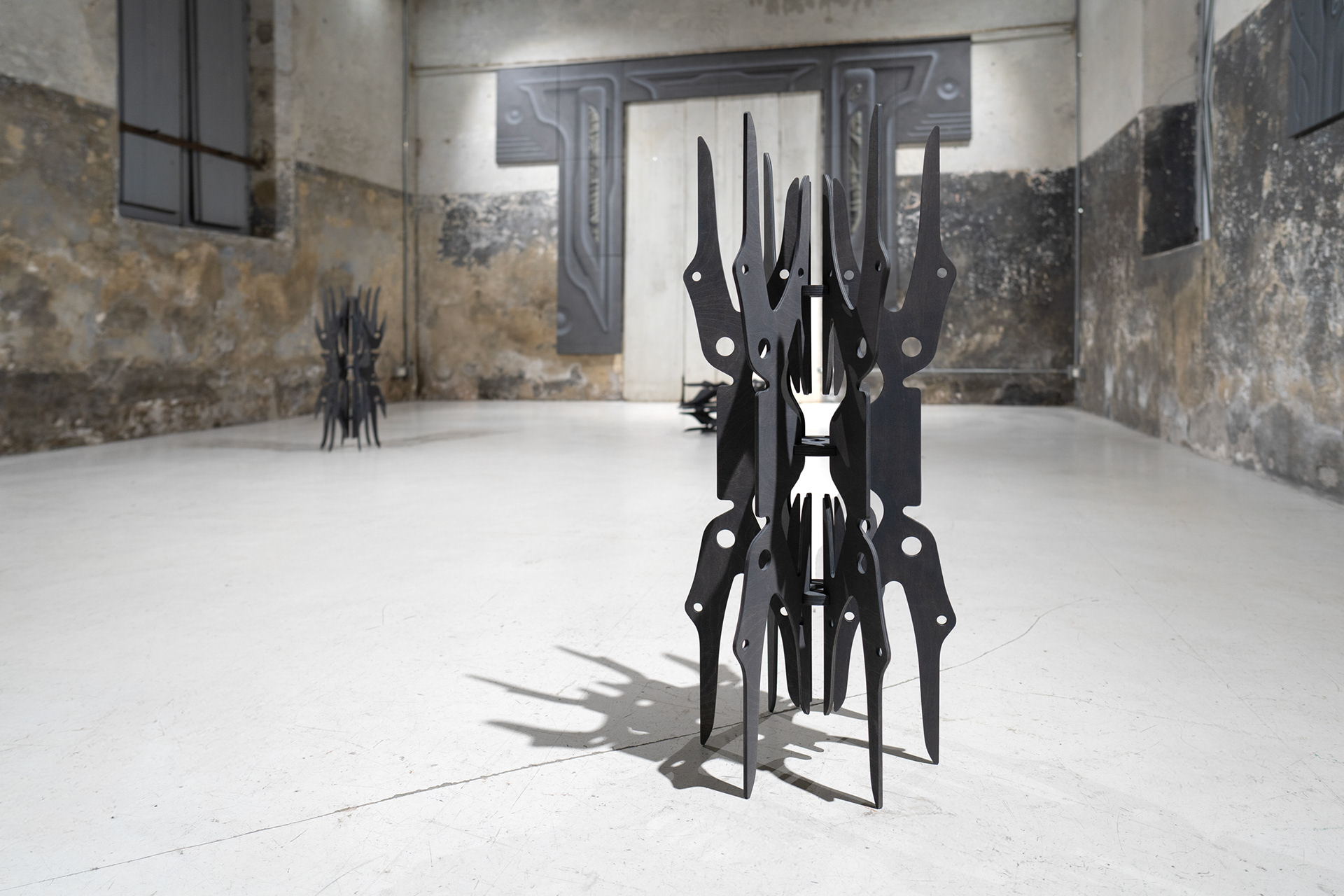
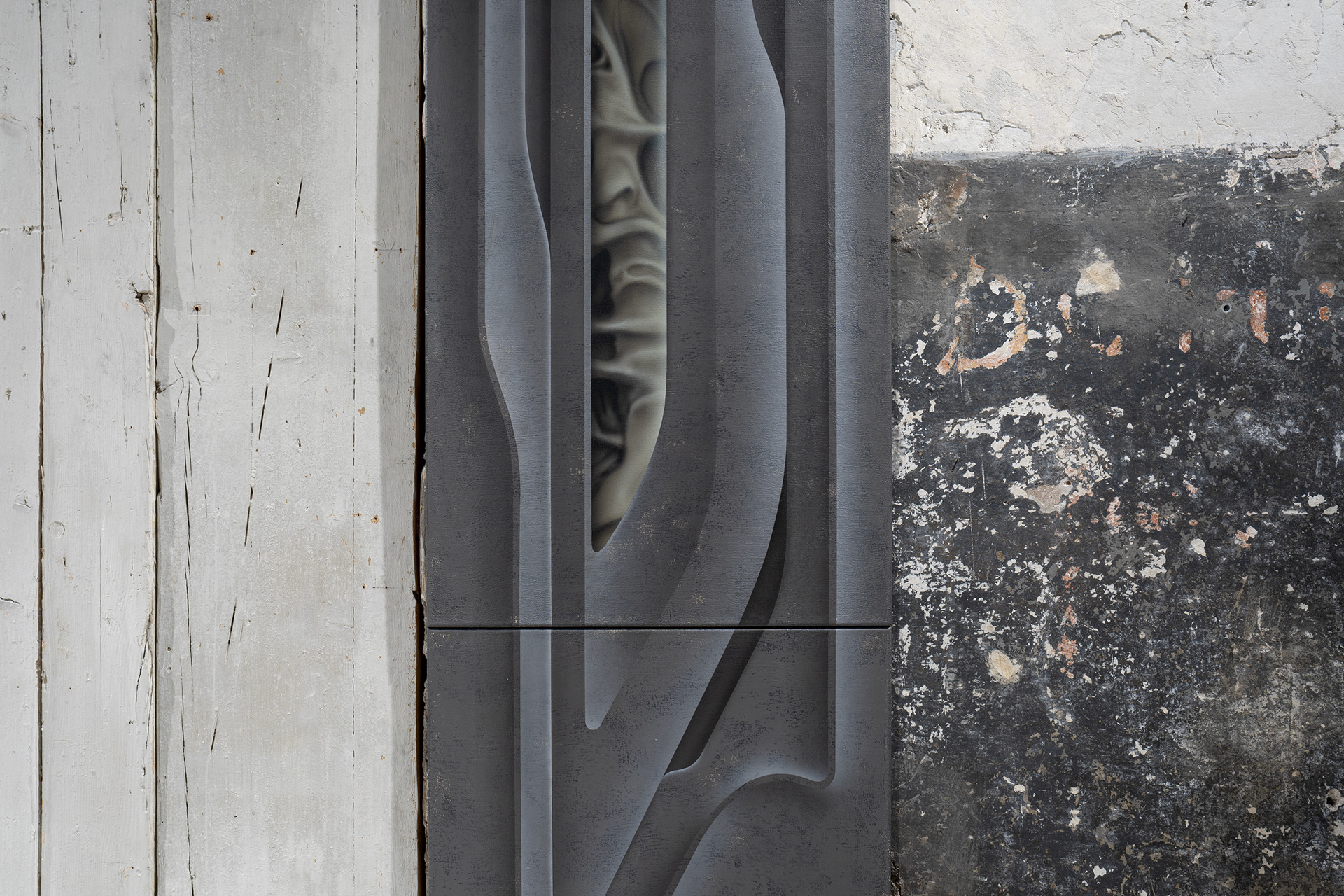
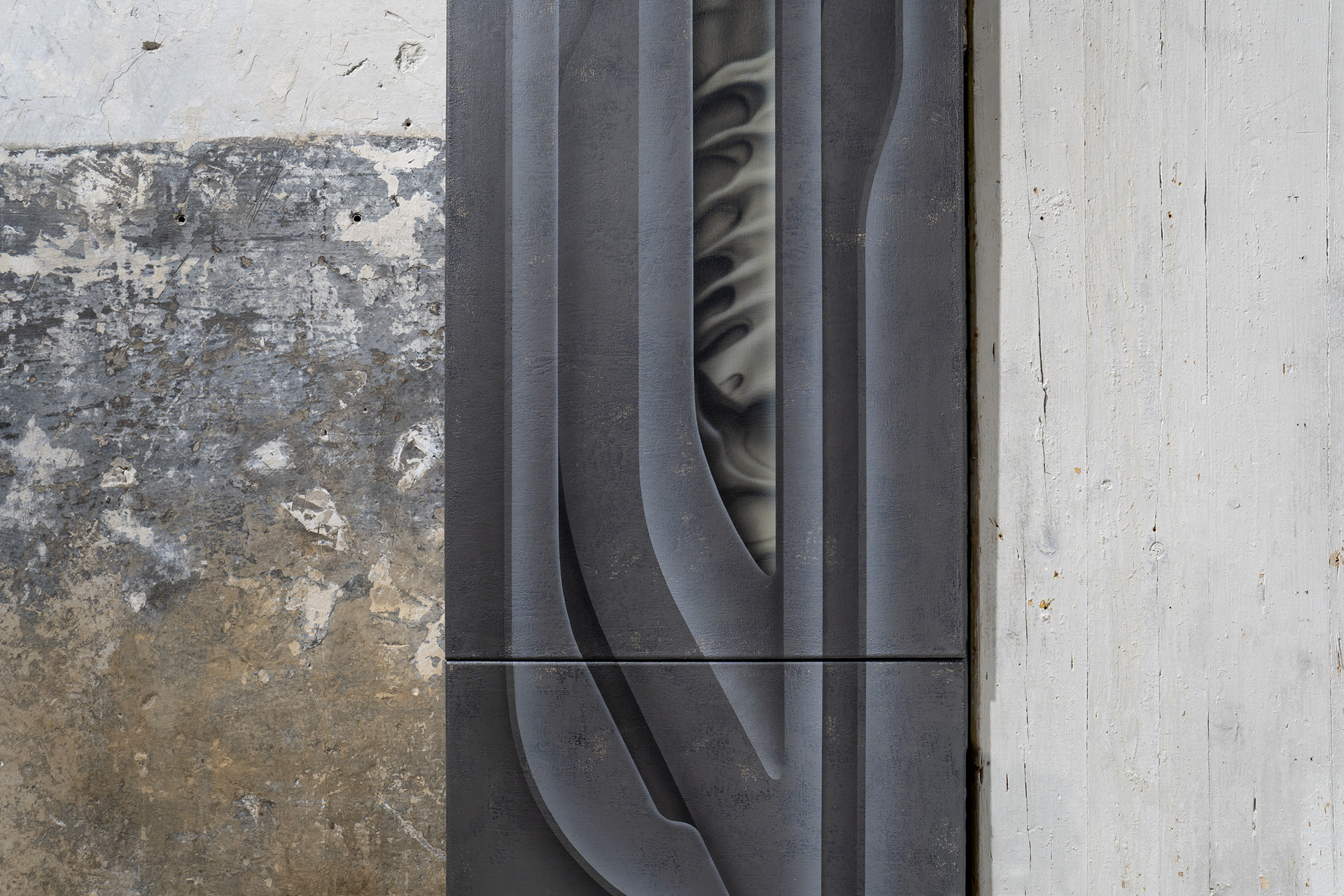
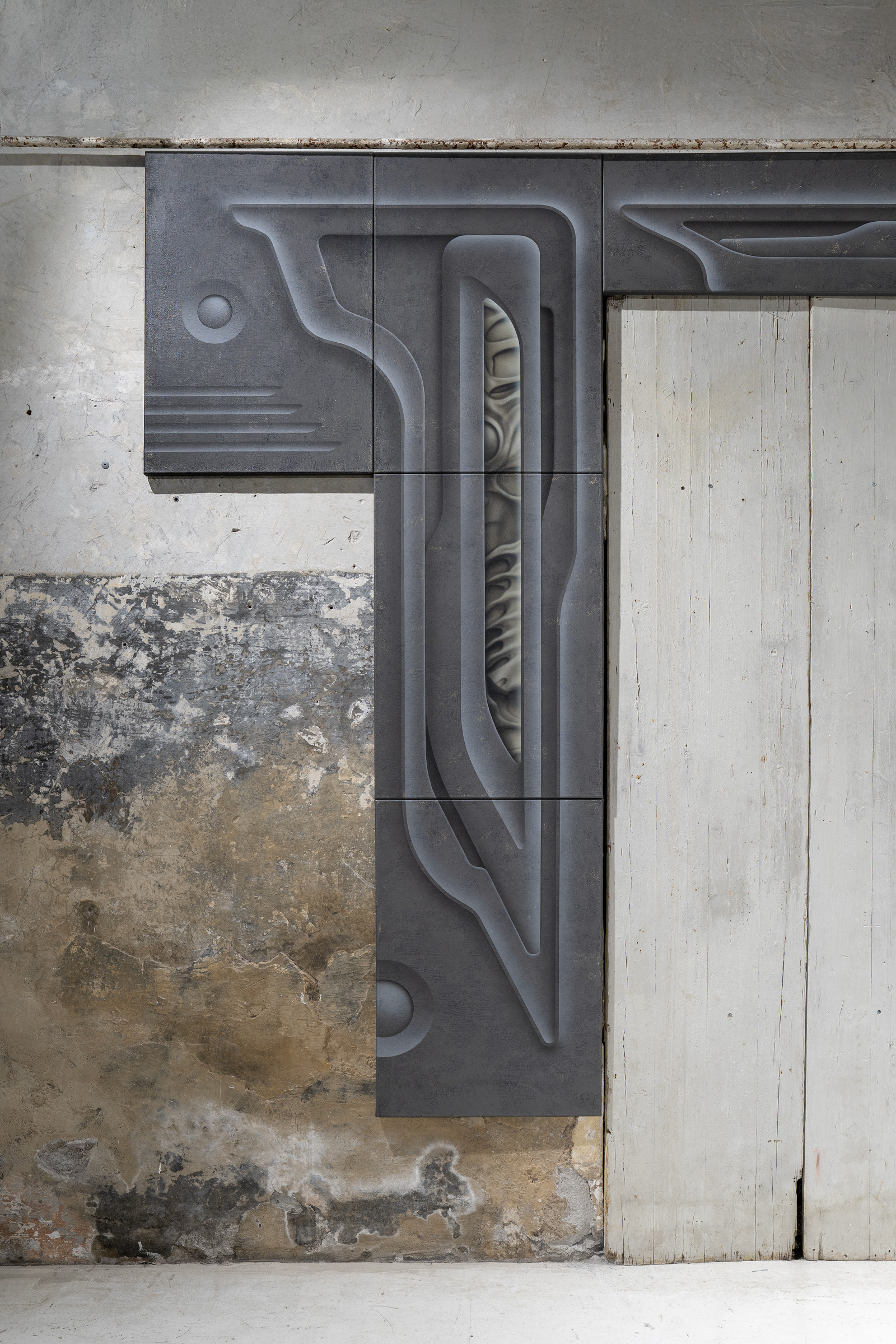
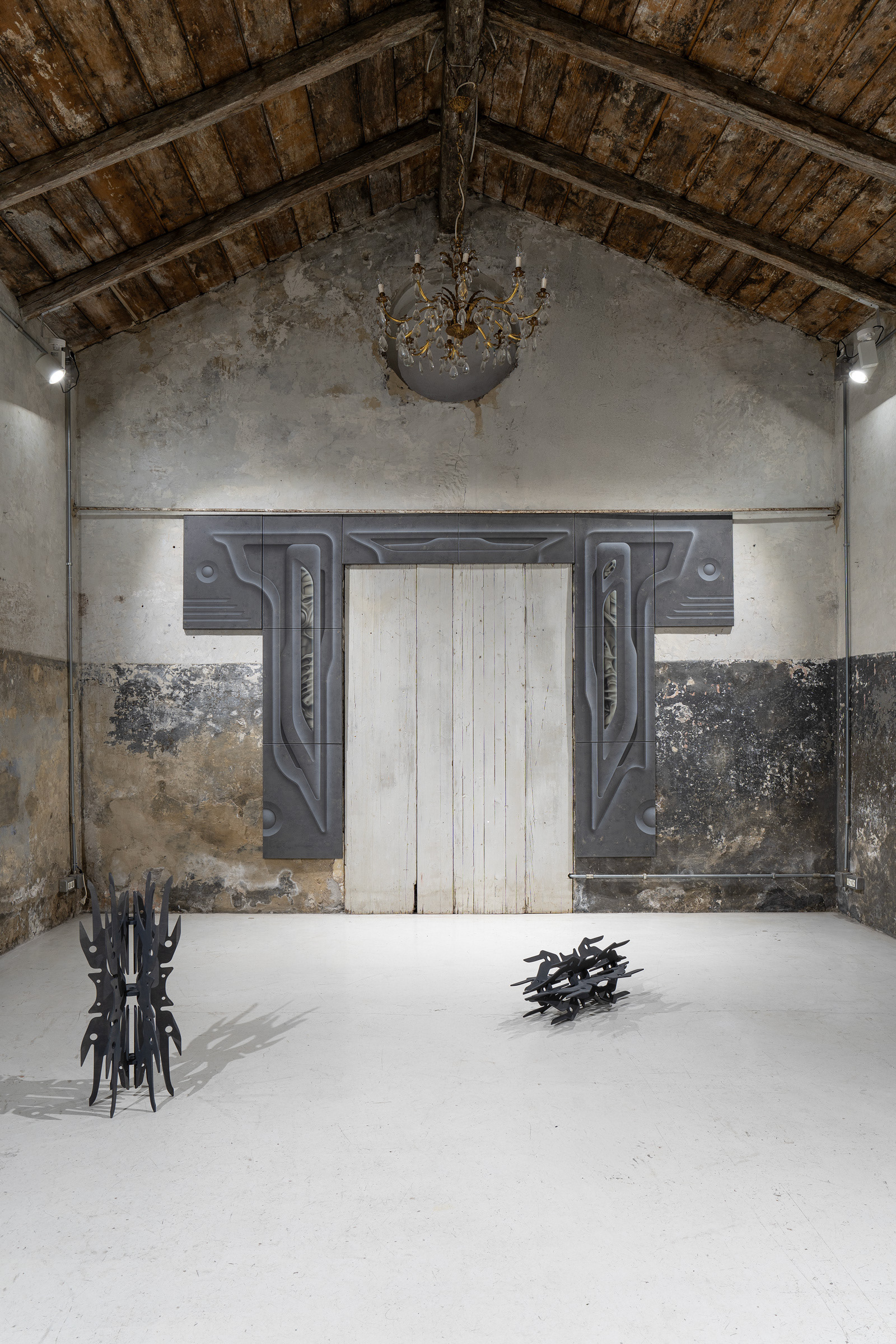
At the core of the project lies the painting installation ARCH:3ON (2025), which transforms an old door frame into an imaginary portal between worlds. By stacking canvases, Vagač constructs an object whose character resembles that of a technological artifact, seamlessly integrating the original interior element of the door into a joint dialogue. The composition recalls an architectural relief with biomorphic details and maintains geometric elements and symmetry, while the artist softens and rounds the individual systems. The grey and ochre colour palette, with its subtle painterly textures, evokes a material marked by erosion, allowing it to engage directly with its surroundings.
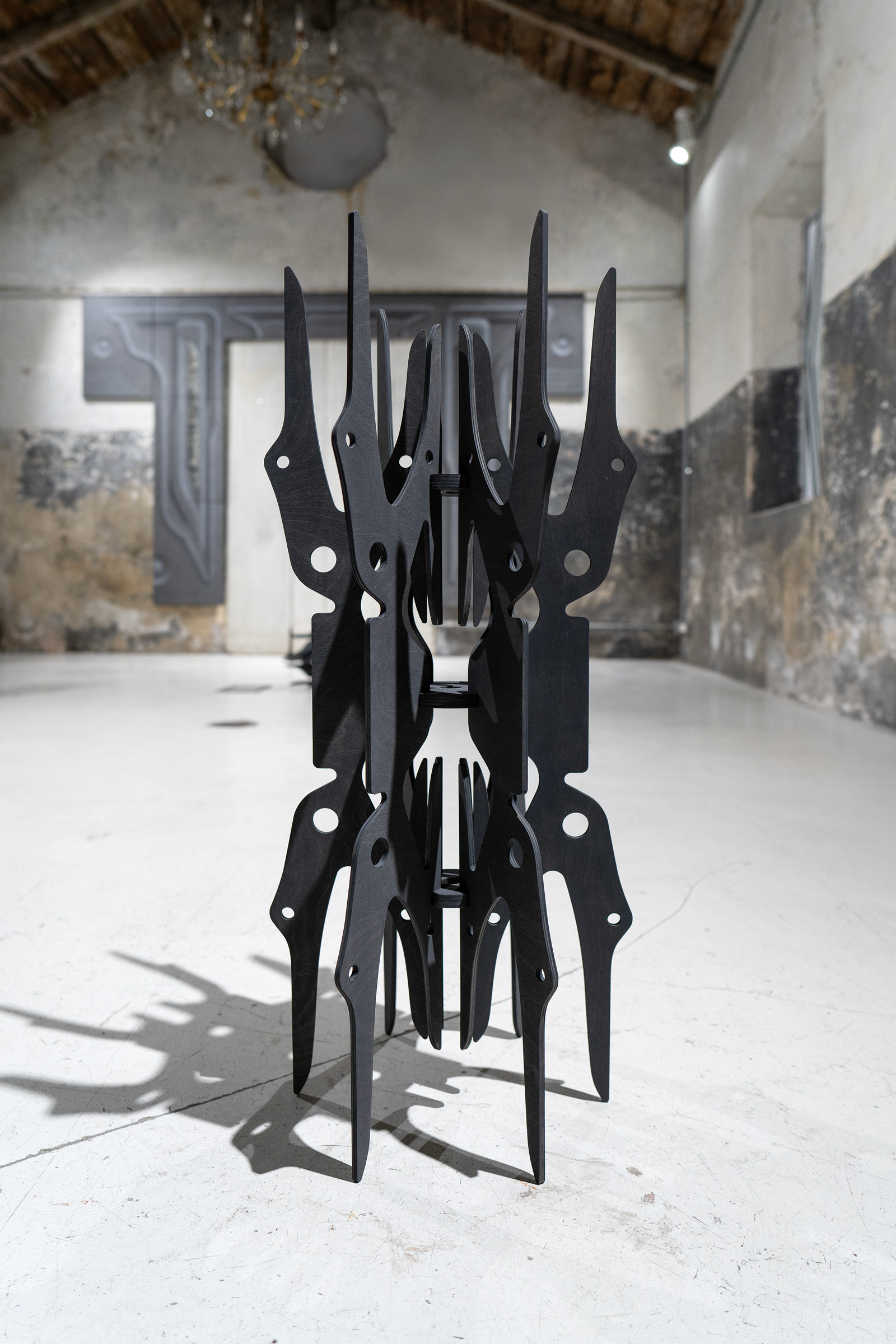
The unsettling glimpses into the portal’s core reveal hints of life, which heighten tension and offer space for imagination. Just as in his remaining objects and paintings, the artist explores the relationship between body and technology. Here, too, it is unclear whether we are observing the remnants of an unknown civilization, fragments of future machines, or ritual objects beyond our current experience.
Priestor dýcha históriou, je nasiaknutý vlhkosťou, časom a stopami minulosti, ponúka možnosť vkročiť do inej dimenzie. Pred nami sa otvára jemná trhlina medzi svetmi – fragment neznámeho portálu. Ocitáme sa na hrane medzi skutočnosťou a fikciou, medzi povrchom a vnútrom, medzi tým, čo je živé, a tým, čo bytie iba pripomína. Tenká hranica symbolizuje to, čo je pred nami i za nami, to, čo už bolo, aj to, čo nás ešte čaká. Je to miesto, v ktorom sa premieňajú formy, materiály strácajú identitu a fyzické prežívanie sa rozpúšťa v pamäti a digitálnom toku dát. Čas pôsobí elasticky, minulosť a budúcnosť tu prehovárajú cez optiku prítomnosti.
Milan Vagač (1987, Bratislava), slovenský vizuálny umelec žijúci v Prahe, sa vo svojej tvorbe v ostatných rokoch zameriava na fluidný prienik maľby, objektu a priestorovej inštalácie, ktorý skúma v kontexte fyzického obrazu inšpirovaného technologickými, ako aj digitálnymi prostrediami. Zreteľnú systematickosť, príklon k analogickým variáciám a tvarovej rigidnosti či modularite jednotlivých prvkov konfrontuje s organickými formami, prírodnými materiálmi a surovými štruktúrami. V jeho maľbe sledujeme prirodzený prechod z abstraktného obrazu do náznakov figuratívneho, pričom veľkú rolu hrá práve divácka skúsenosť. Statické geometrické prvky prirodzene koexistujú v dialógu s fragmentmi živých organizmov. Na ploche plátien Vagač vytvára ilúziu objemu a pozýva k haptickej skúsenosti. Originálne tvaroslovie má blízko k dizajnu či architektúre, no zároveň rezonuje s organickými formami a rytmami prírody.
Samostatná výstava The Verge predstavuje vývoj autorského rukopisu a zdôrazňuje čoraz častejšiu stratégiu reakcie na charakter konkrétnych priestorov. V galérii Label201 v Ríme sa tematicky prikláňa k prieniku technologického a biologického sveta, skúma hranicu medzi povrchom a vnútrom a vytvára atmosféru dystópie, sci-fi a odduchovnenej nadpozemskosti. Na plochách plátien prináša detaily nejednoznačných predmetov, vyvolávajúcich otázky o ich funkcii či dobe vzniku.
Centrum projektu tvorí maliarska inštalácia ARCH:3ON (2025), ktorá pretvára rám starých dverí na pomyselný portál medzi svetmi. Skladaním maliarskych plátien autor konštruuje objekt s charakterom blízkym technologickému artefaktu, ktorý prirodzene začleňuje pôvodný interiérový prvok dverí do spoločného dialógu. Kompozícia diela pripomína architektonický reliéf s biomorfnými detailmi, rešpektuje geometrické prvky a symetriu, pričom jednotlivé systémy autor zjemňuje a zaobľuje. Sivá a okrová farebná paleta s jemnými maliarskymi štruktúrami evokujú eróziou poznačený materiál, prostredníctvom ktorého vstupuje do priamej interakcie s okolím.
Znepokojujúce priehľady do útrob portálu odhaľujú náznaky života, ktoré akcelerujú napätie a ponúkajú priestor na imagináciu. Podobne ako vo zvyšných objektoch či maľbách, autor skúma vzťah medzi telom a technológiou. Ani tu nie je jasné, či sledujeme pozostatky neznámej civilizácie, fragmenty strojov budúcnosti alebo rituálne objekty mimo našej doterajšej skúsenosti.