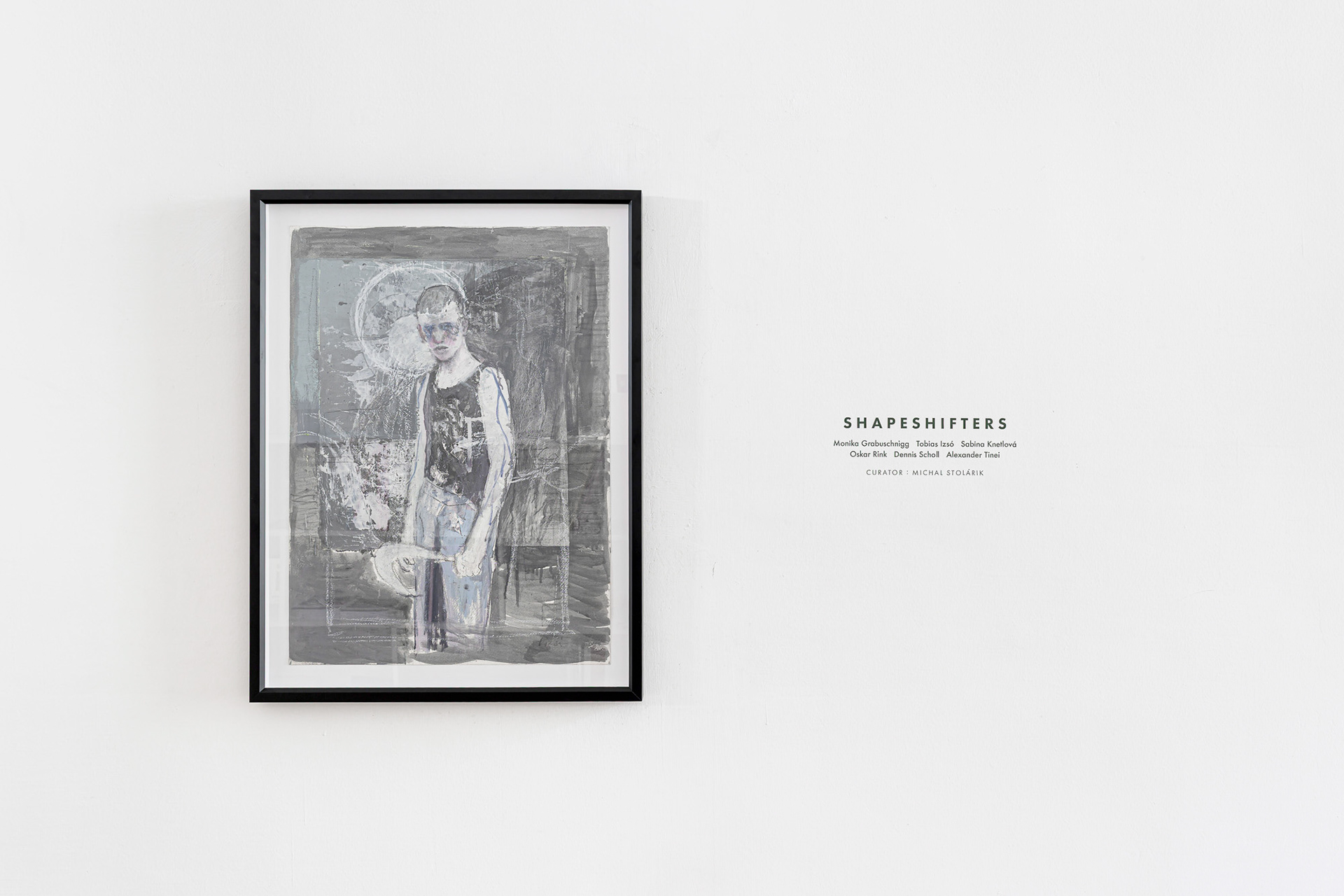
The obsession with altering identity, appearance, or destiny has long defined the human condition. We gravitate towards myths of vampires, werewolves, and other creatures that transcend human boundaries—as if reality itself were inherently insufficient. It is not always an attempt to escape the facts; it is also an articulation of the desire for metamorphosis and the potential to become an alternate self. Today’s modes of transformation have moved beyond niche and bizarre subcultures and increasingly into a broader spectrum of social meanings. These shifts now function as masks, adaptive tools, survival strategies, and means of self-improvement or self-expression. This drive towards shapeshifting remains an enduring facet of our existence.
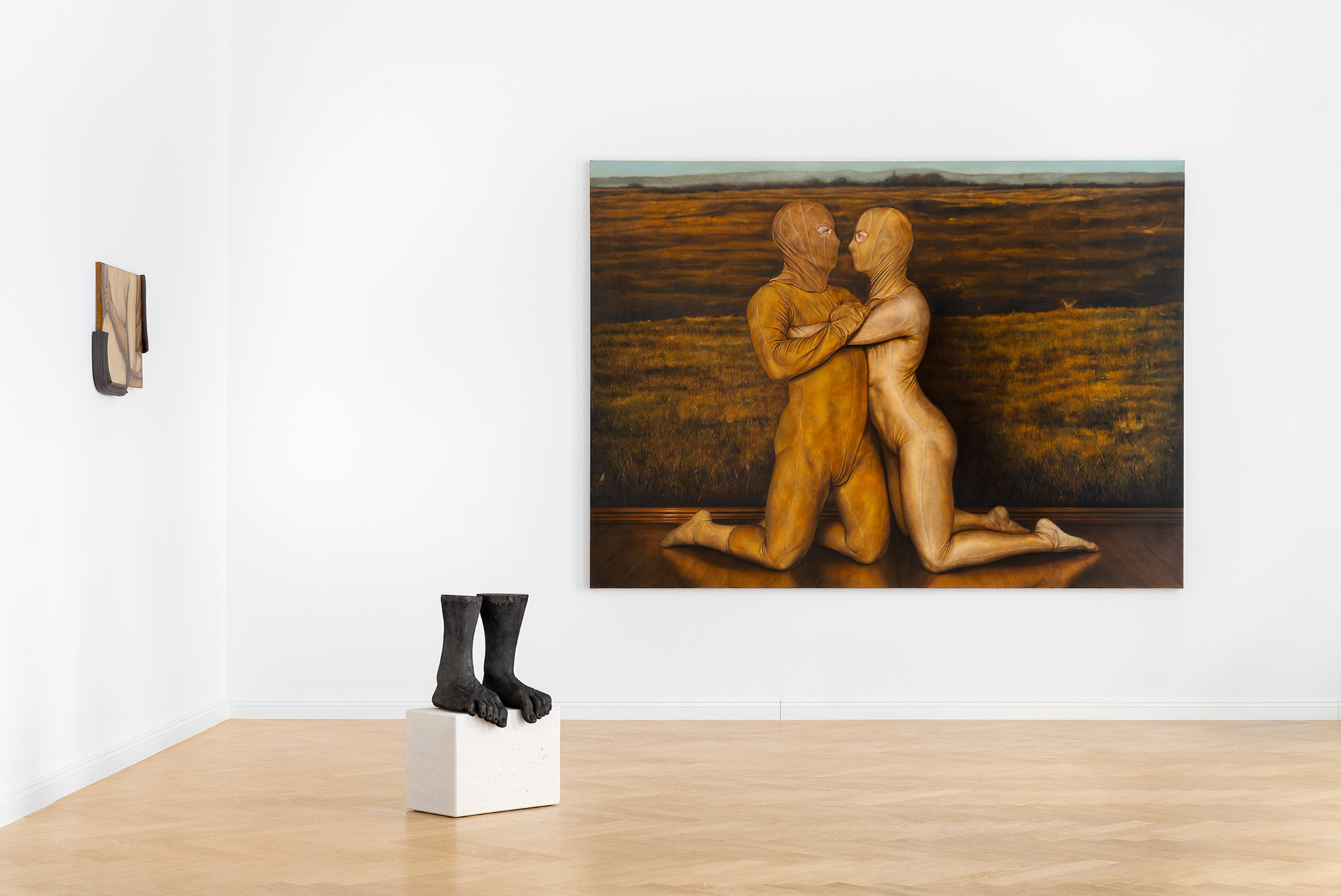
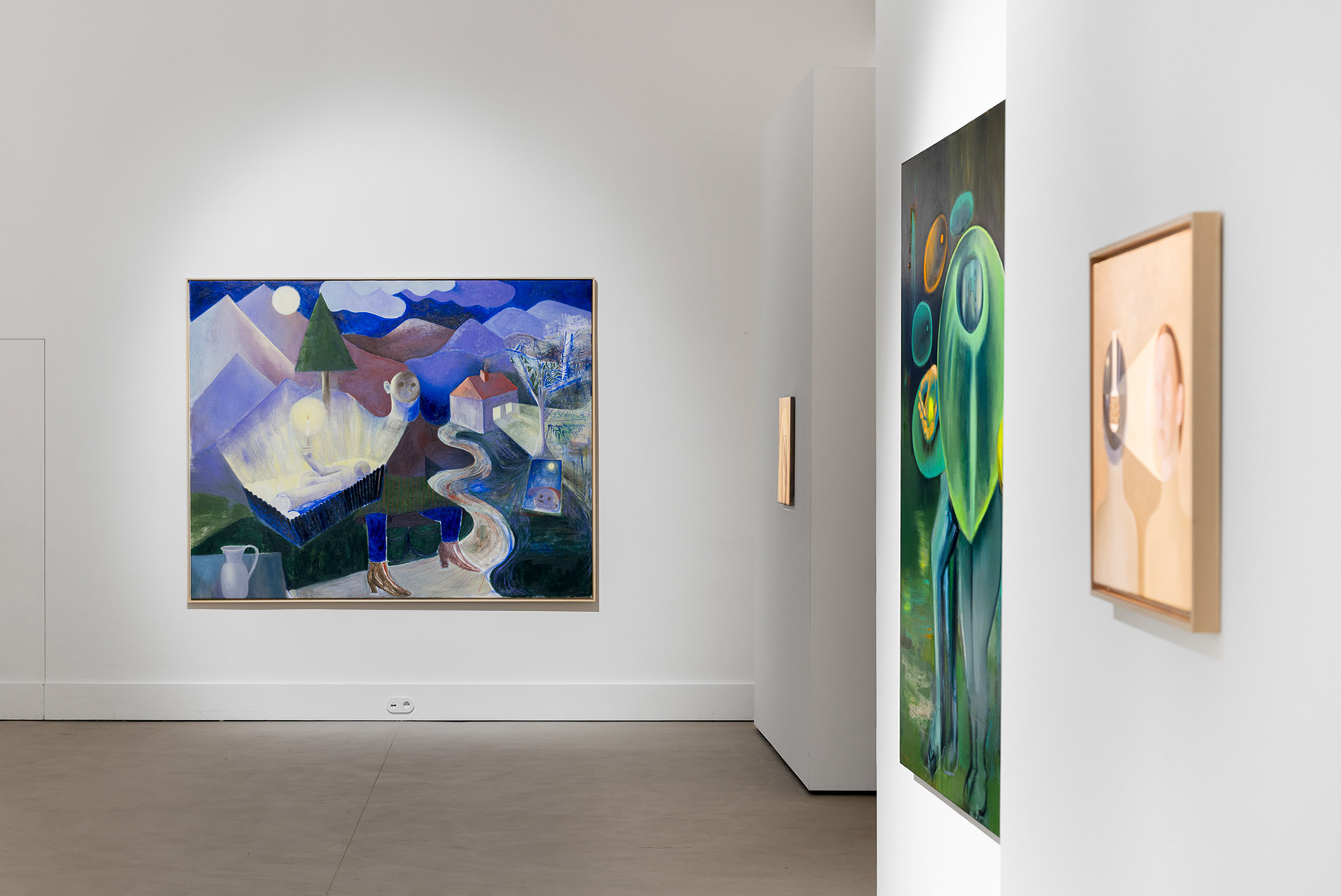
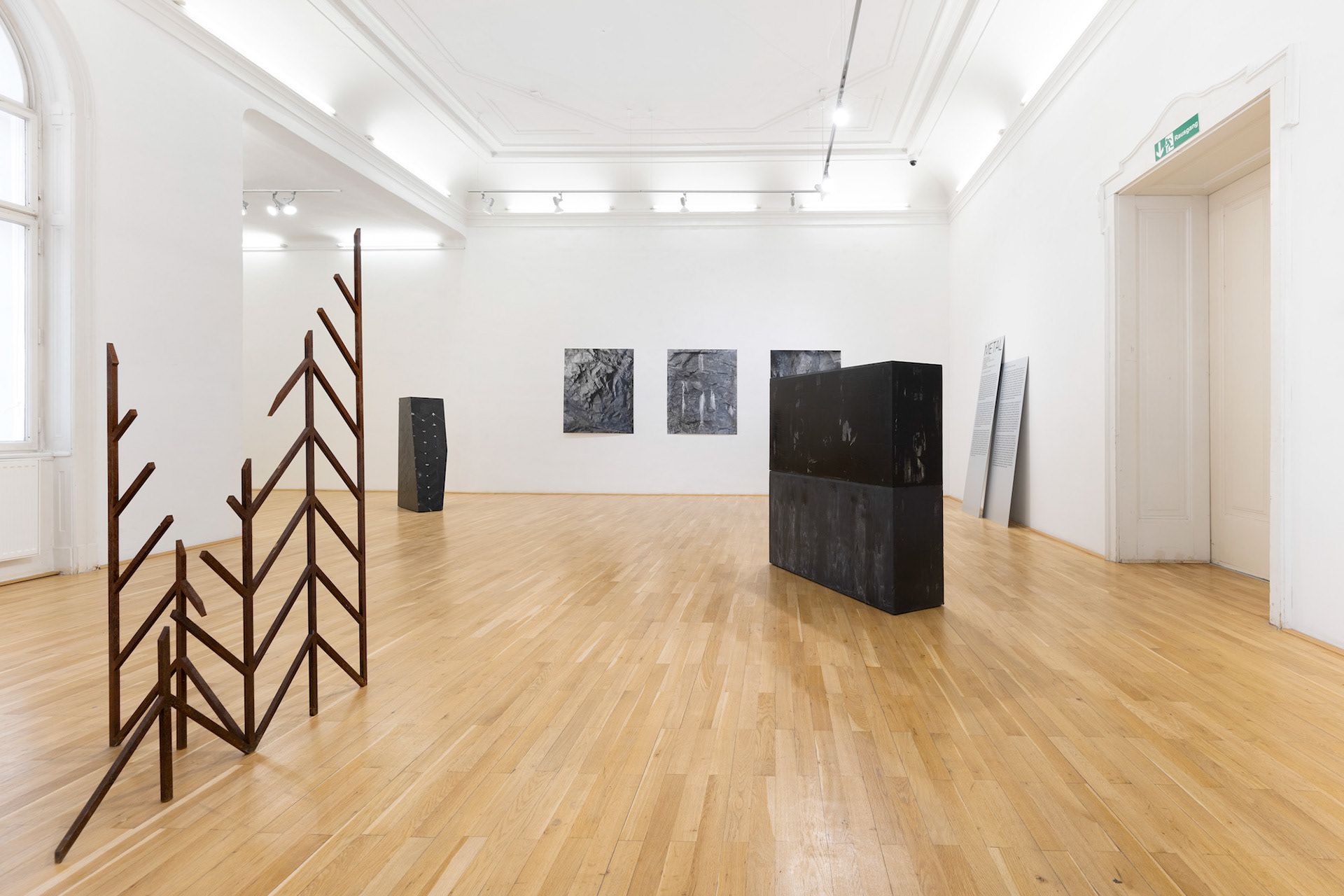
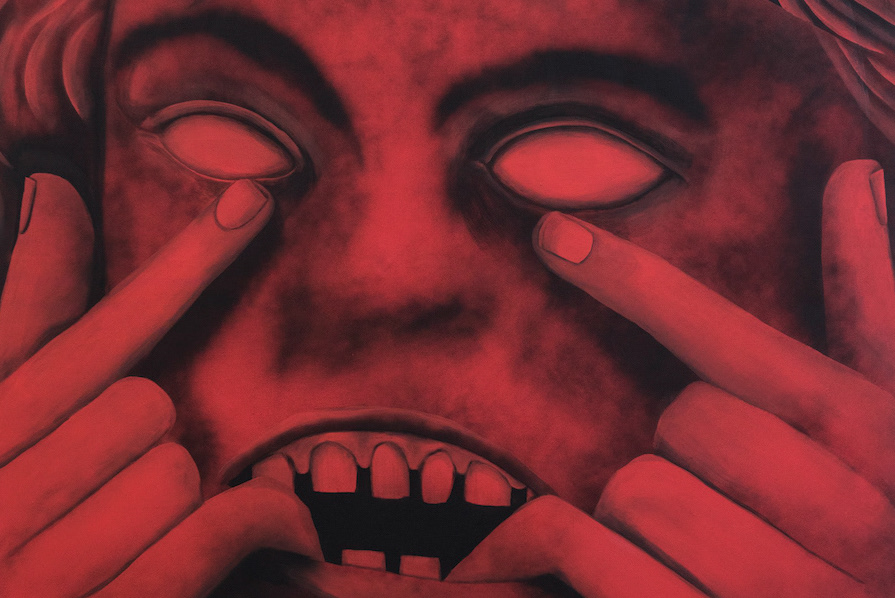
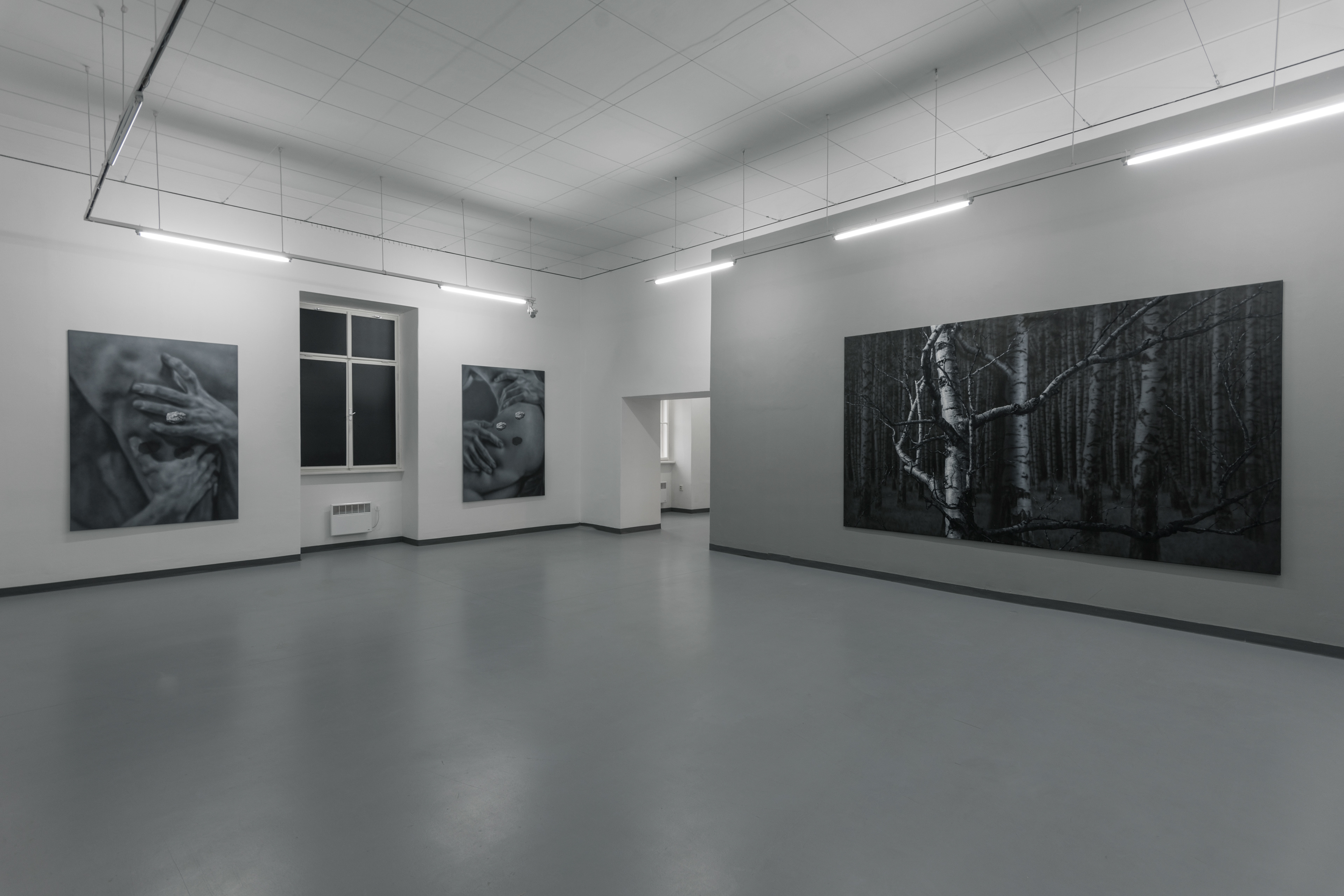
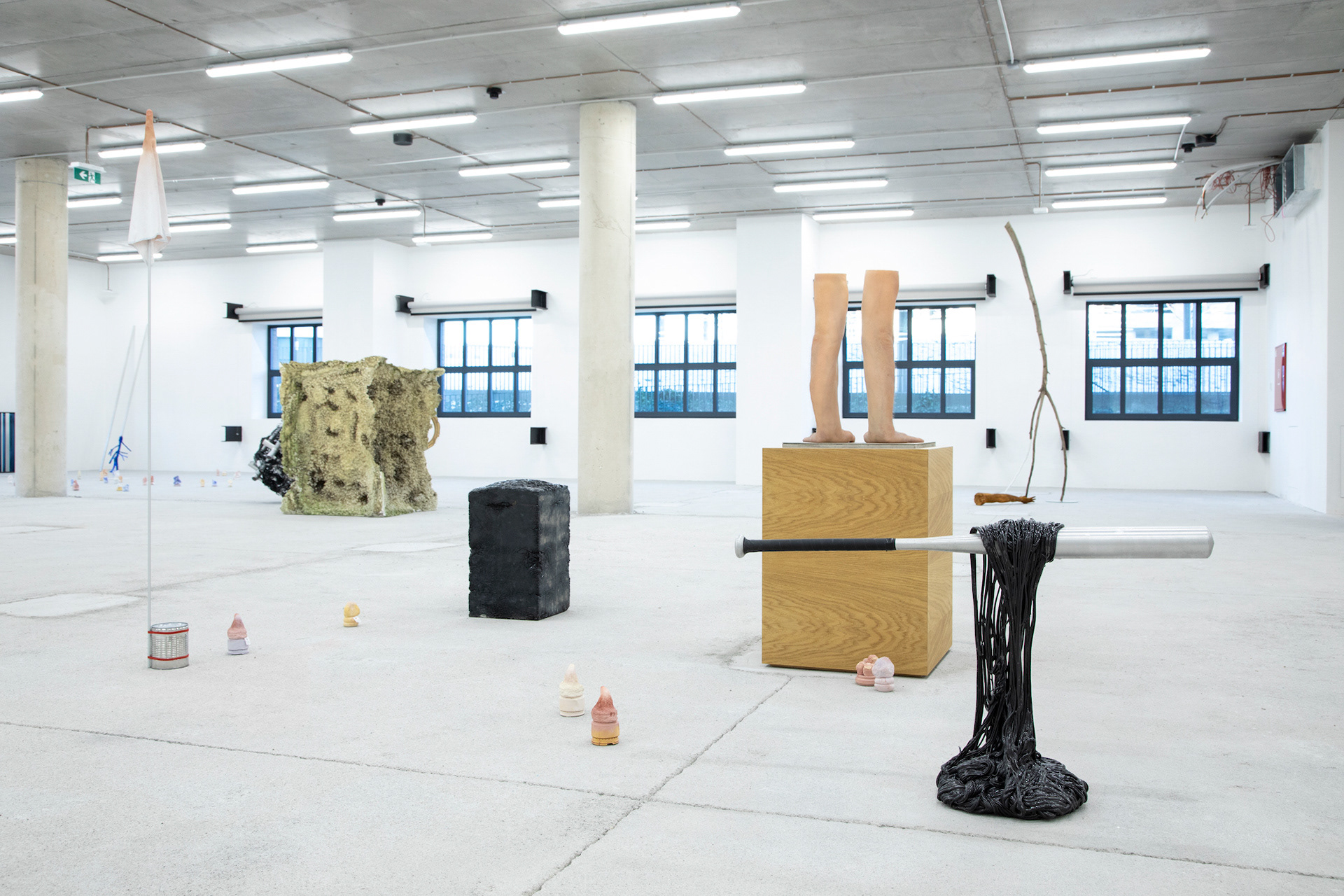
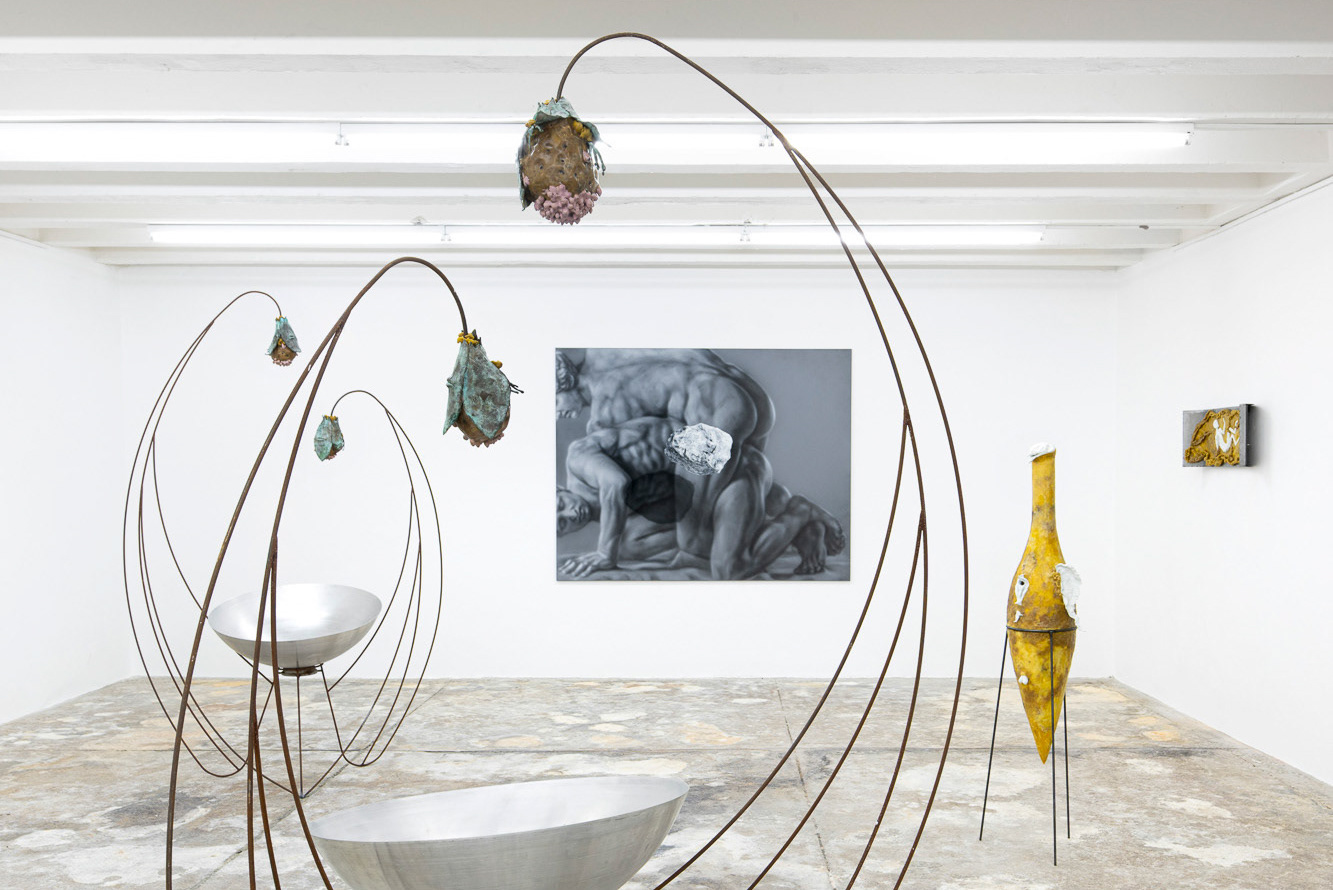
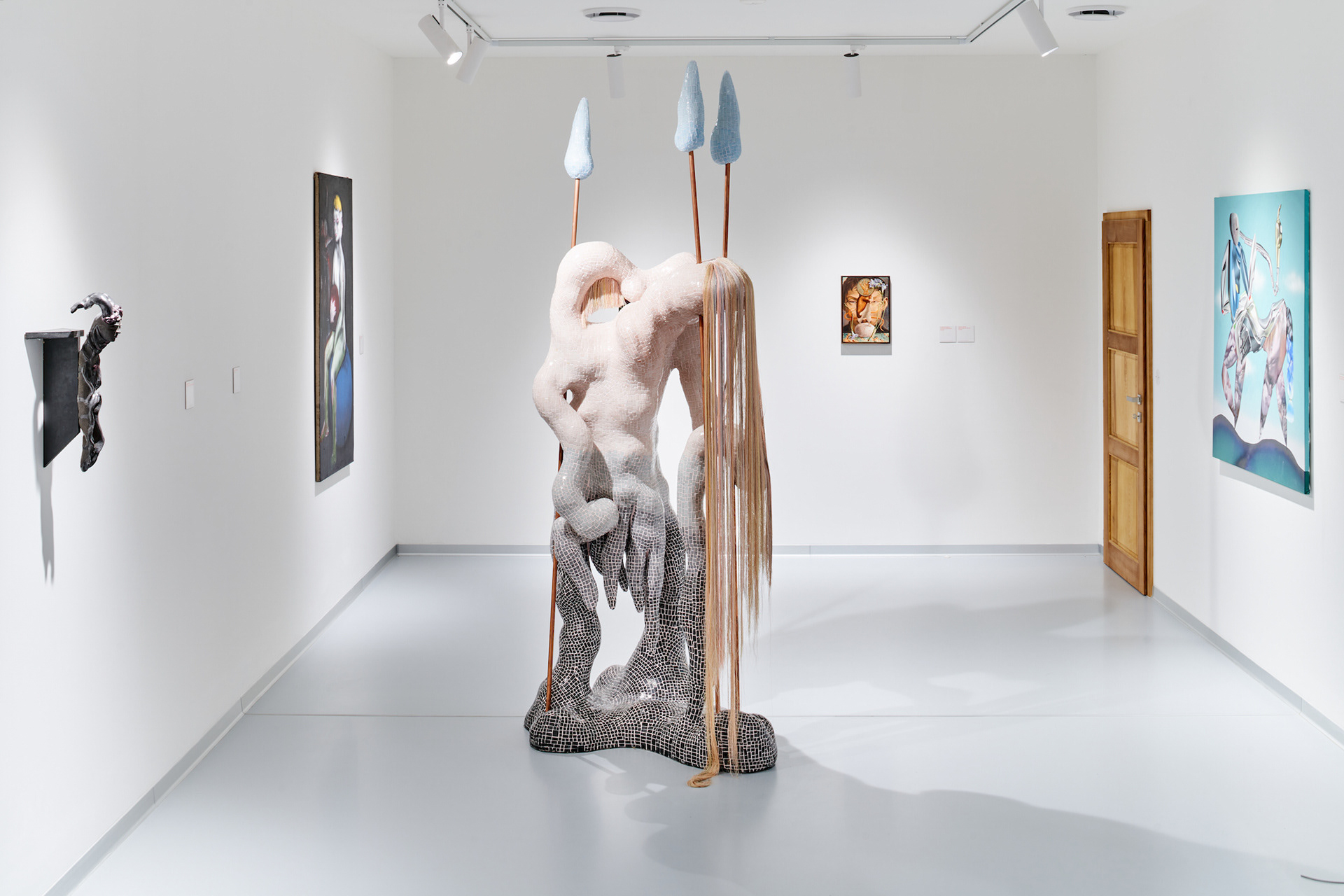
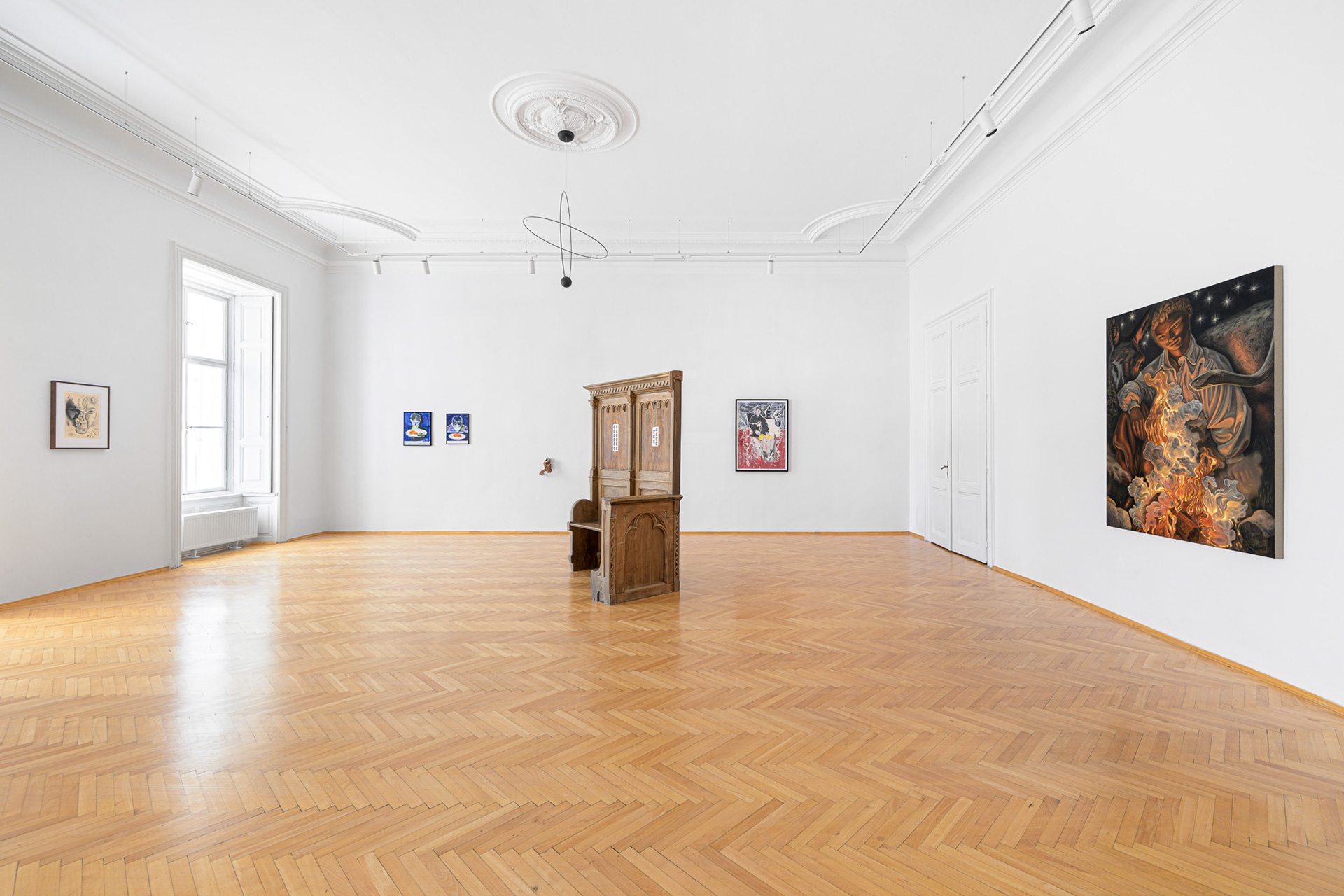
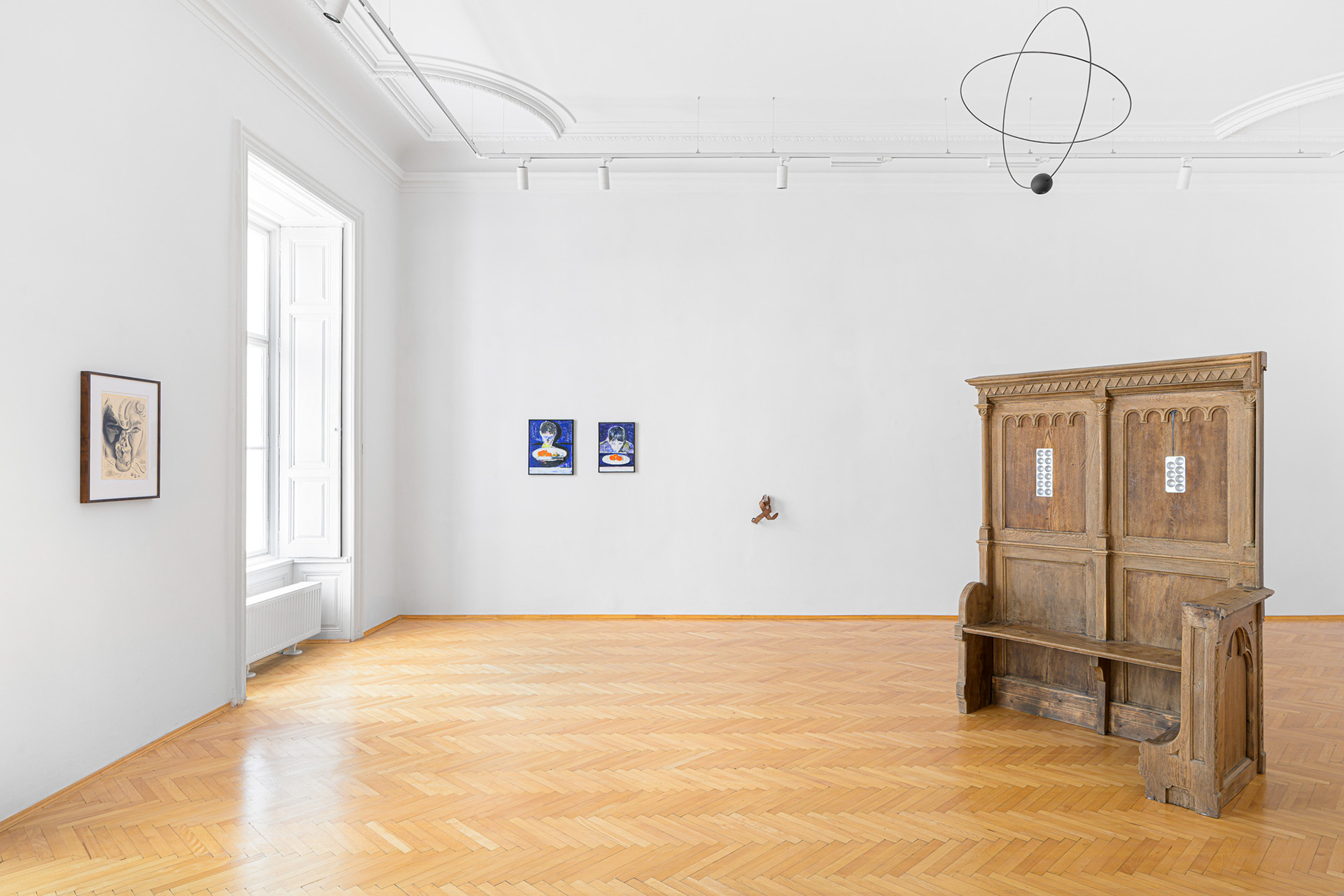
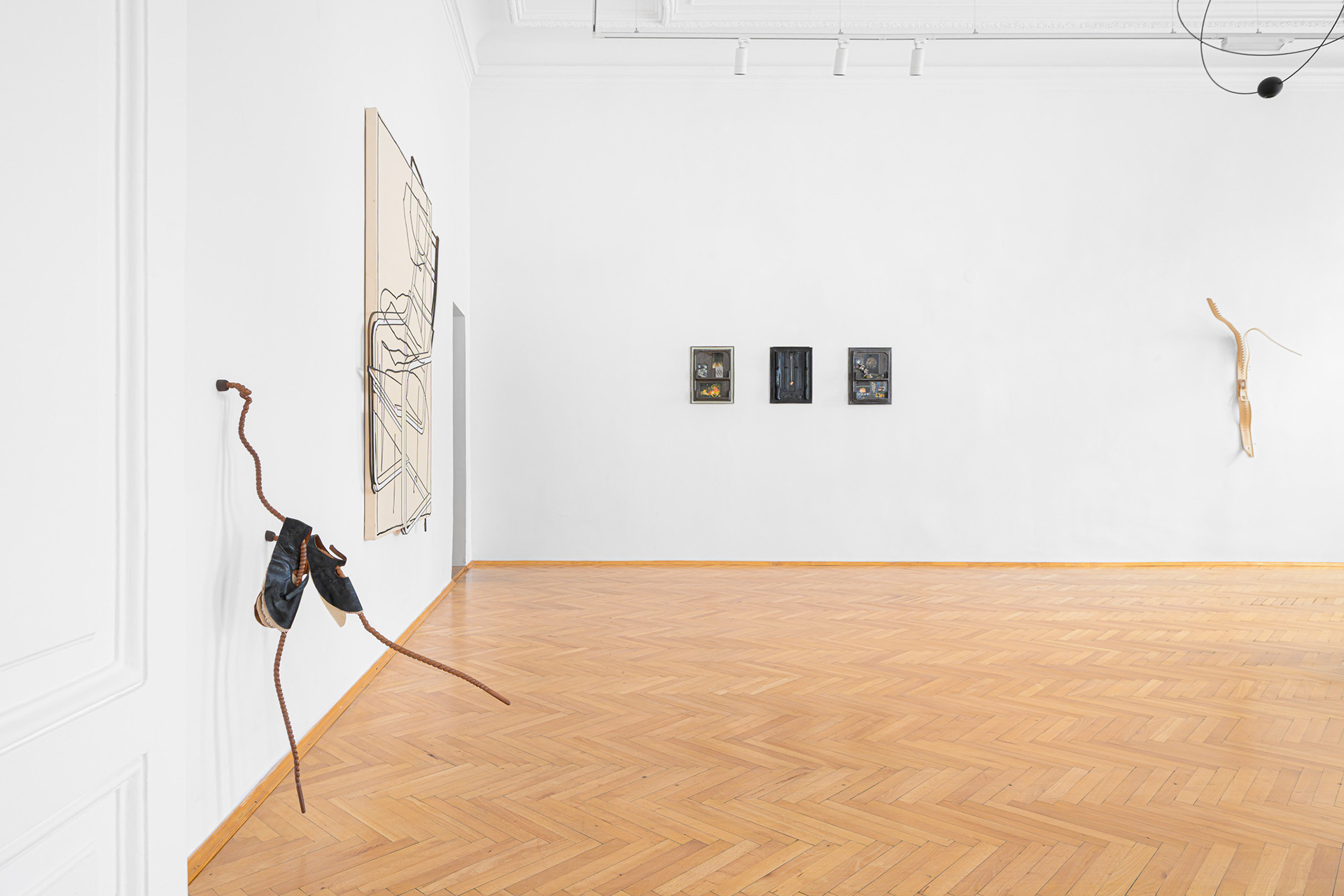
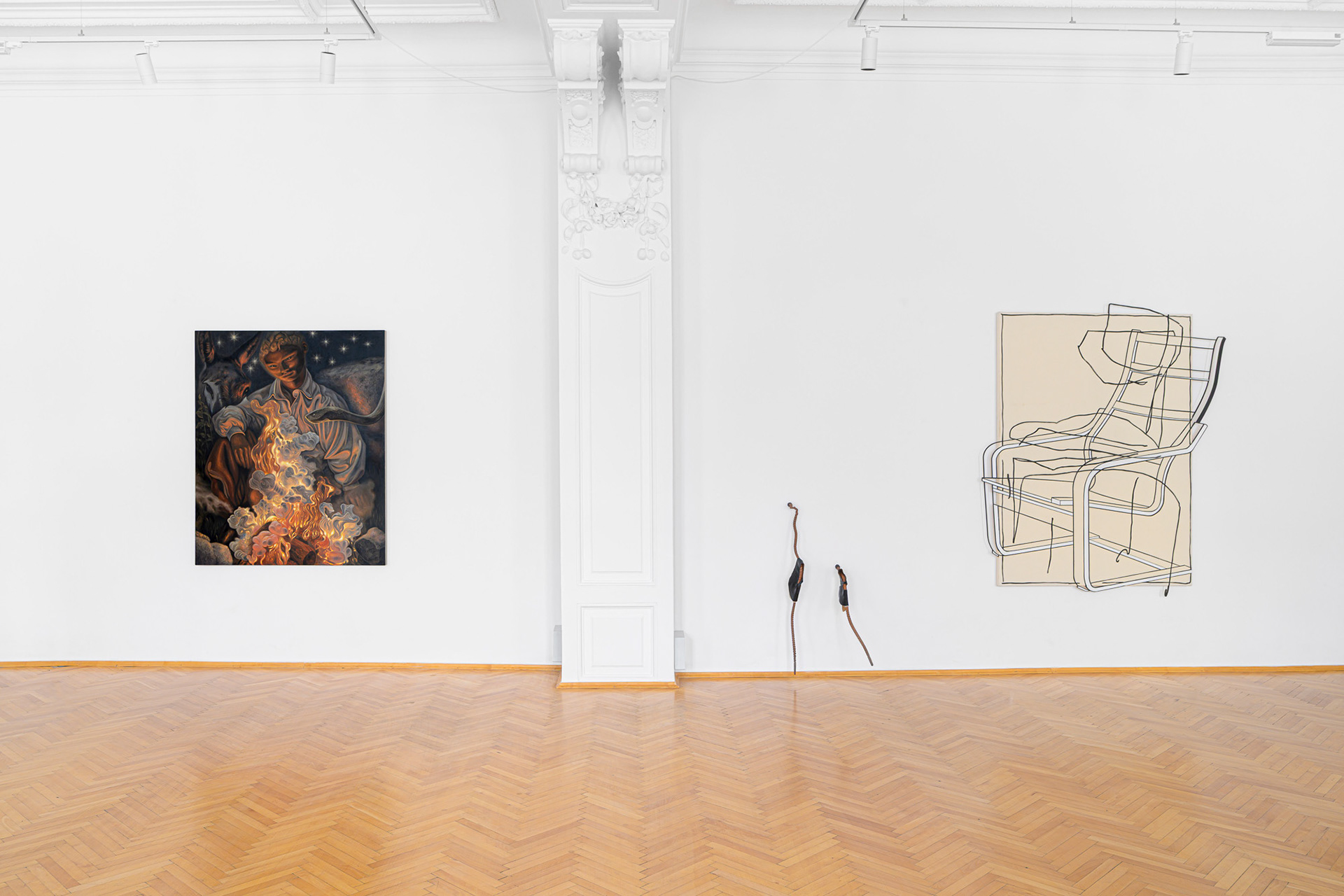
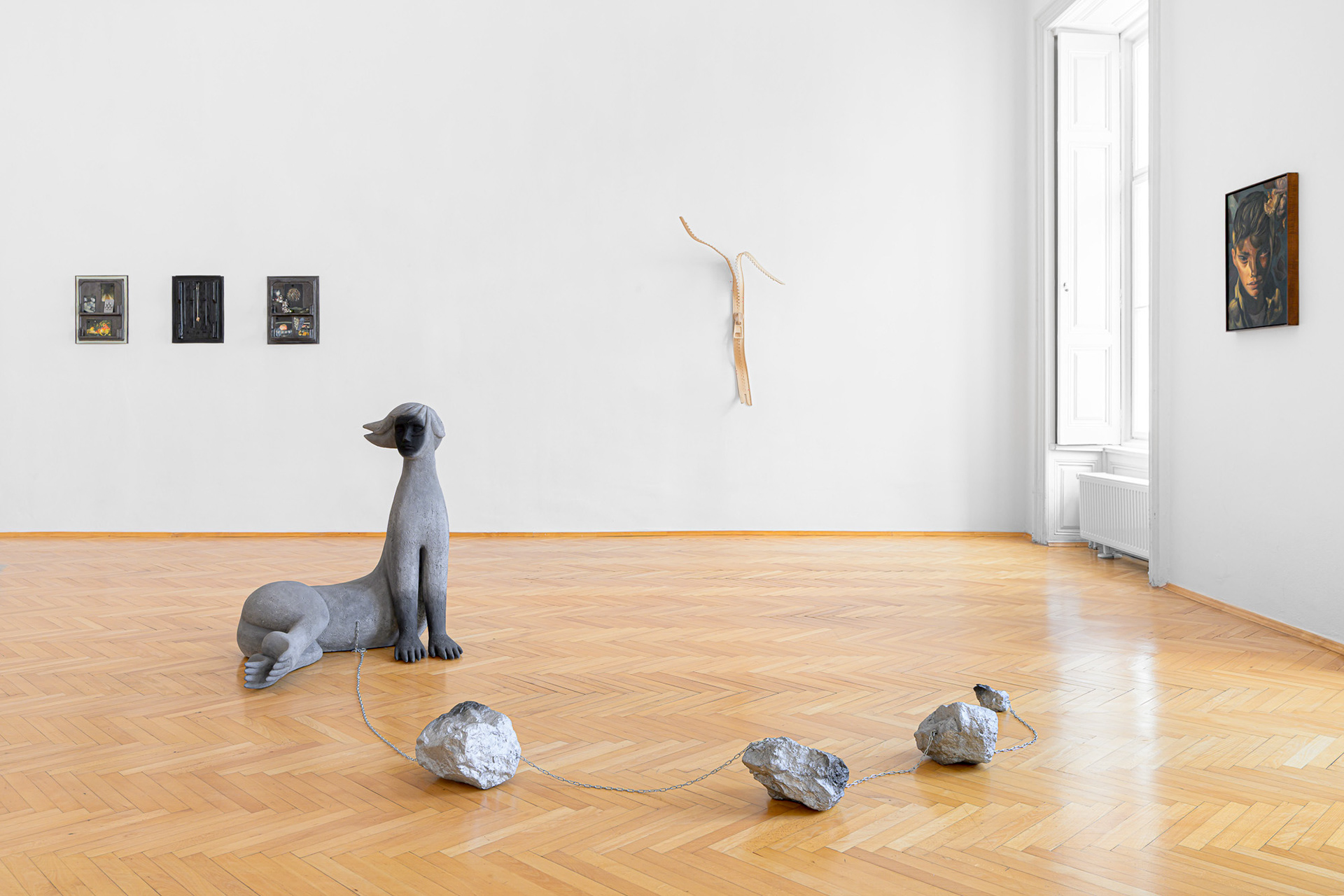
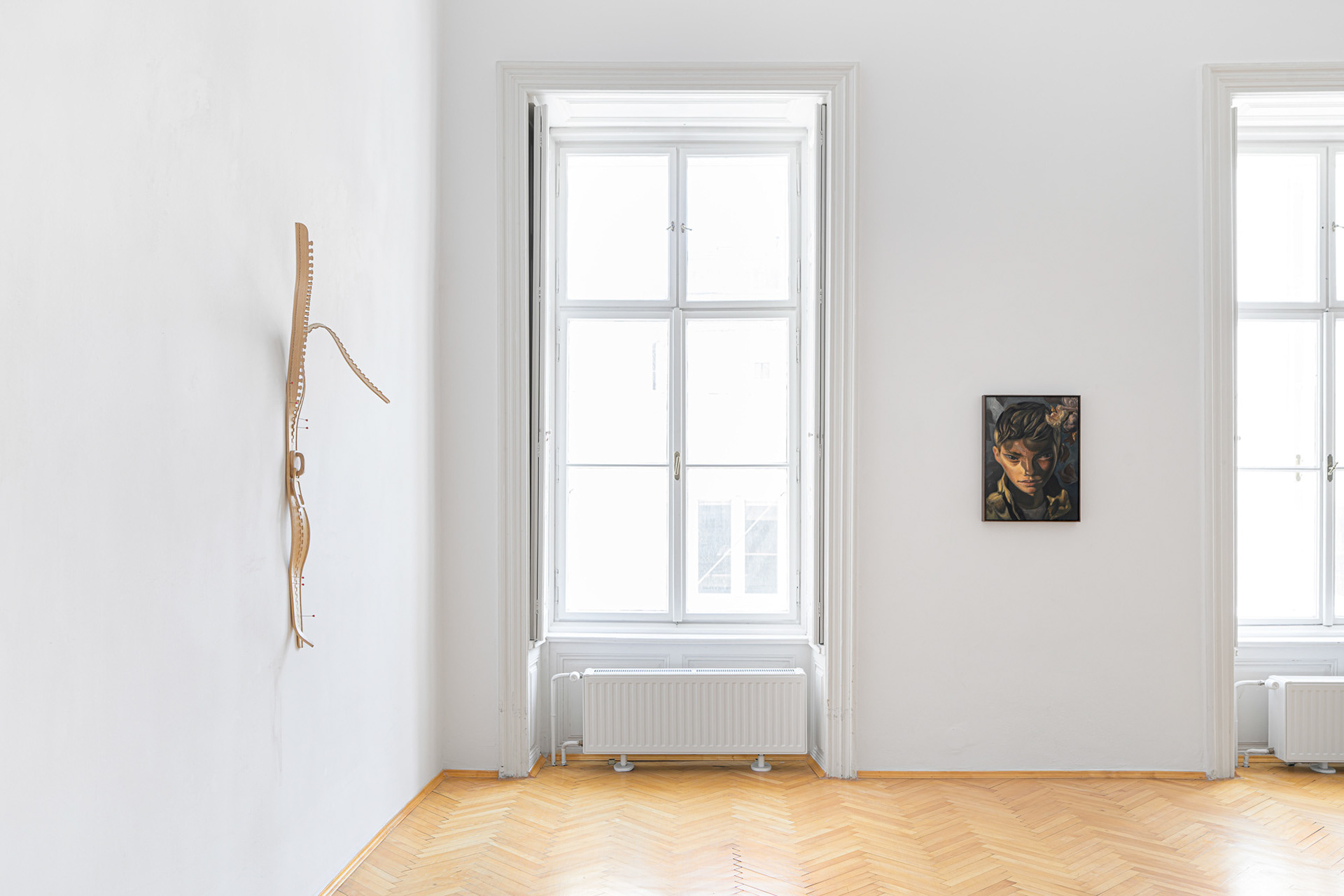
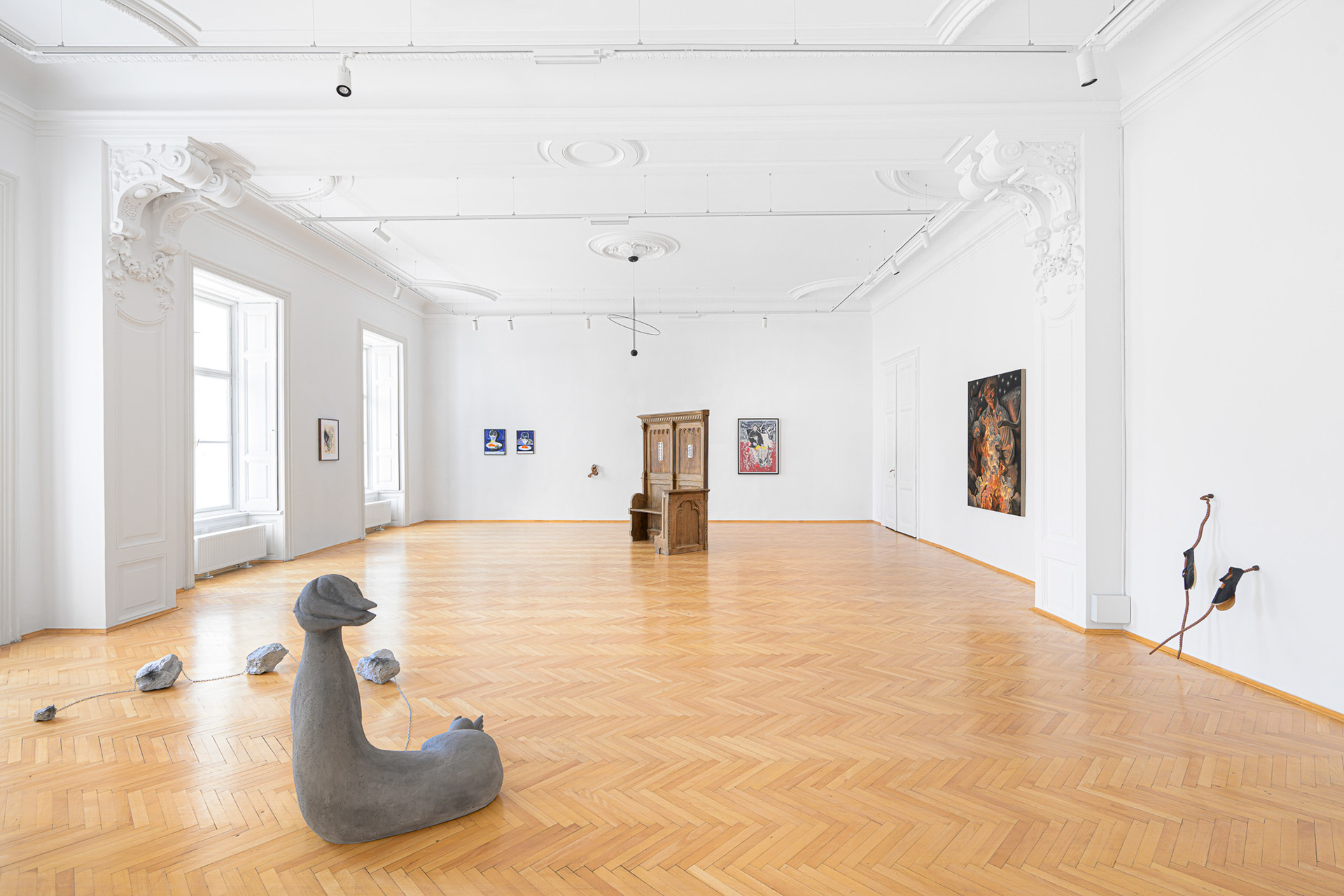
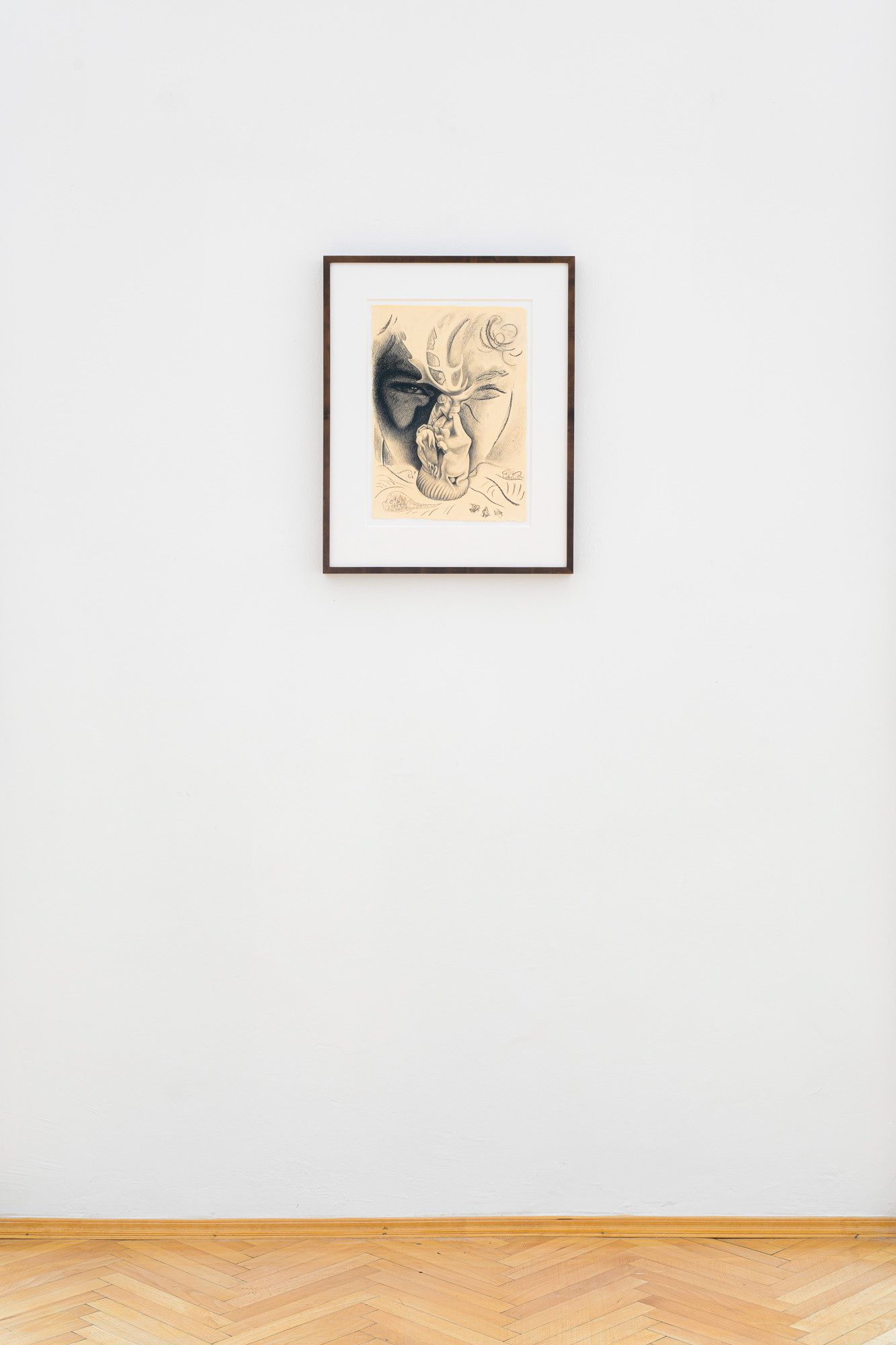
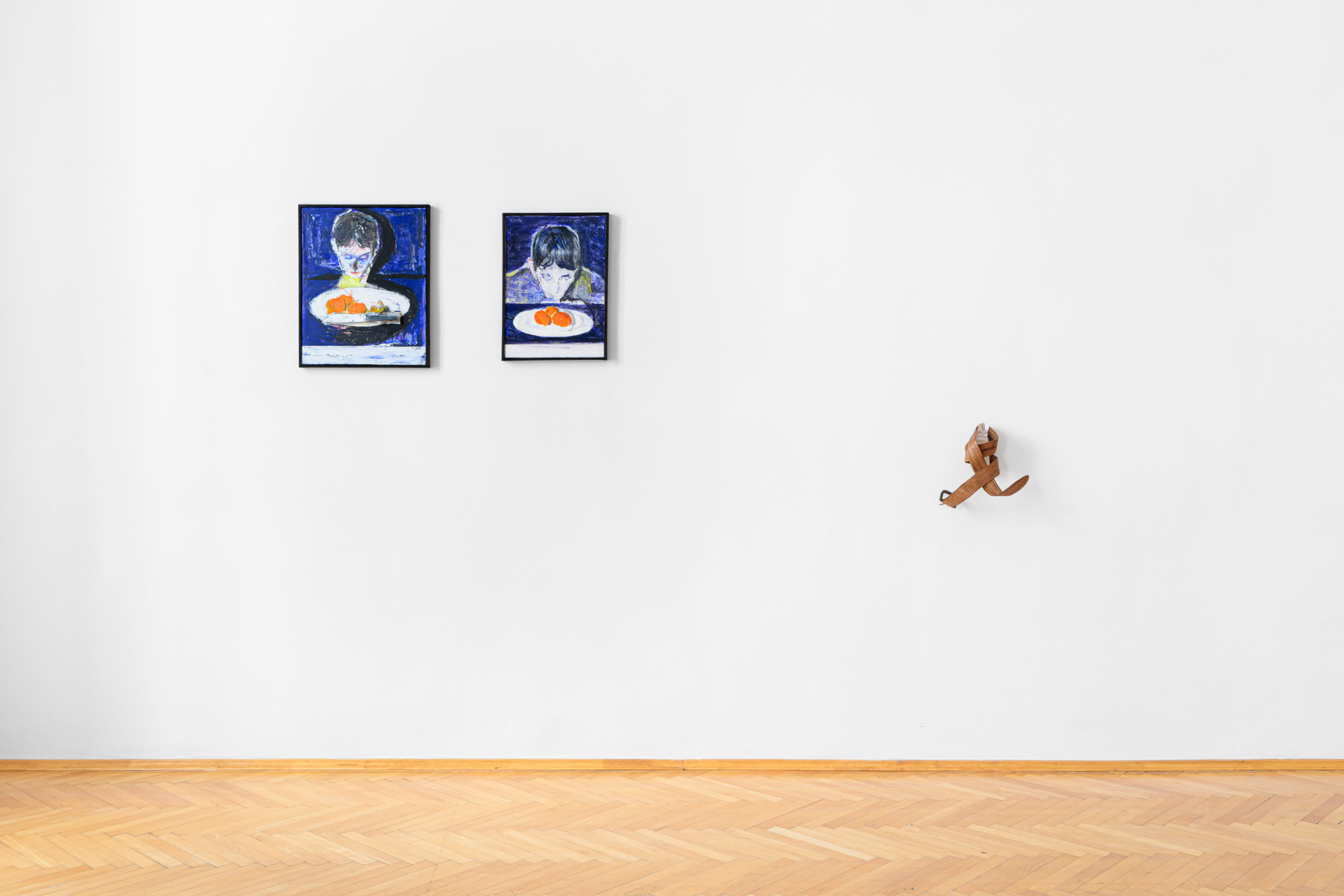
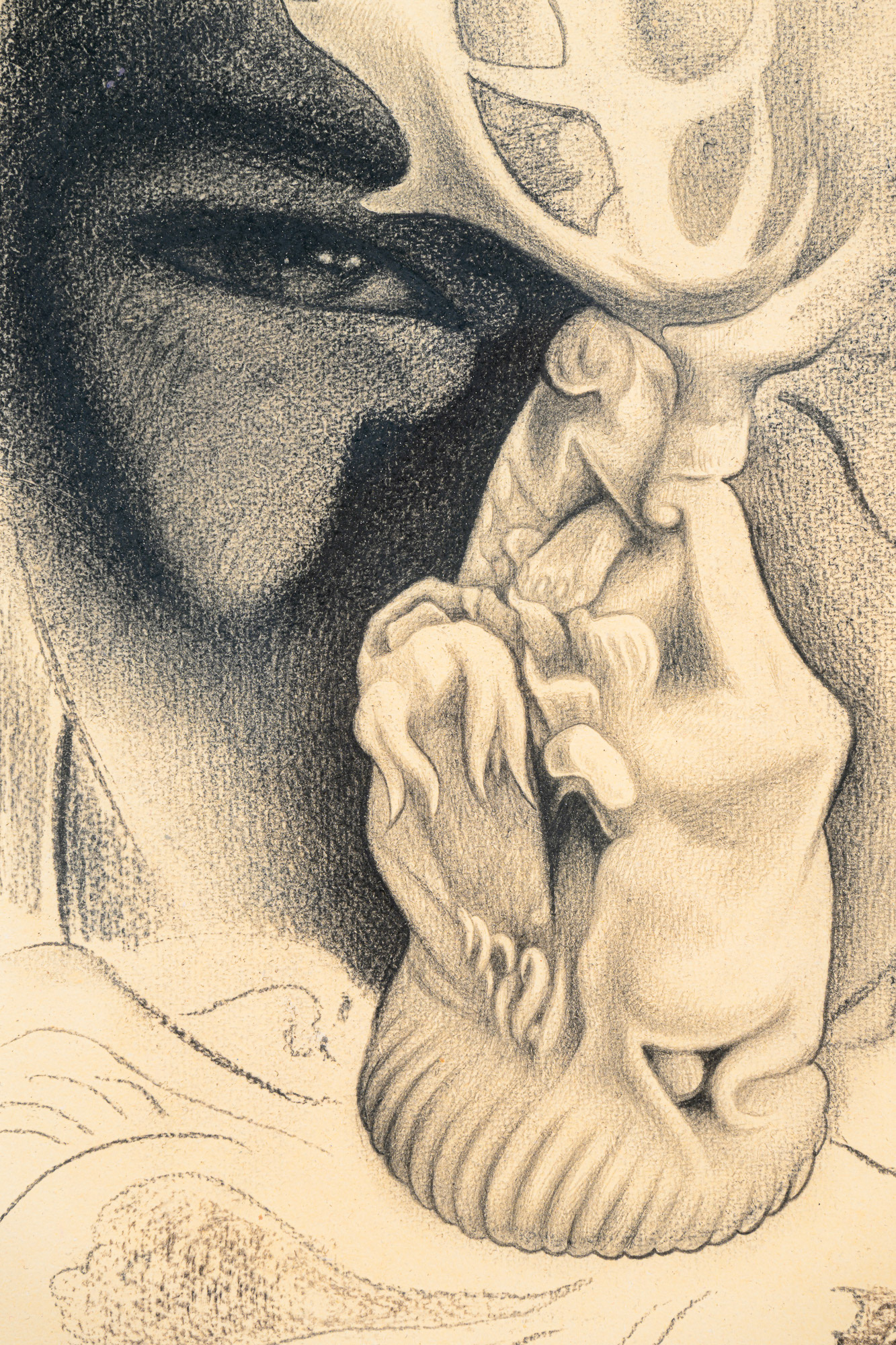
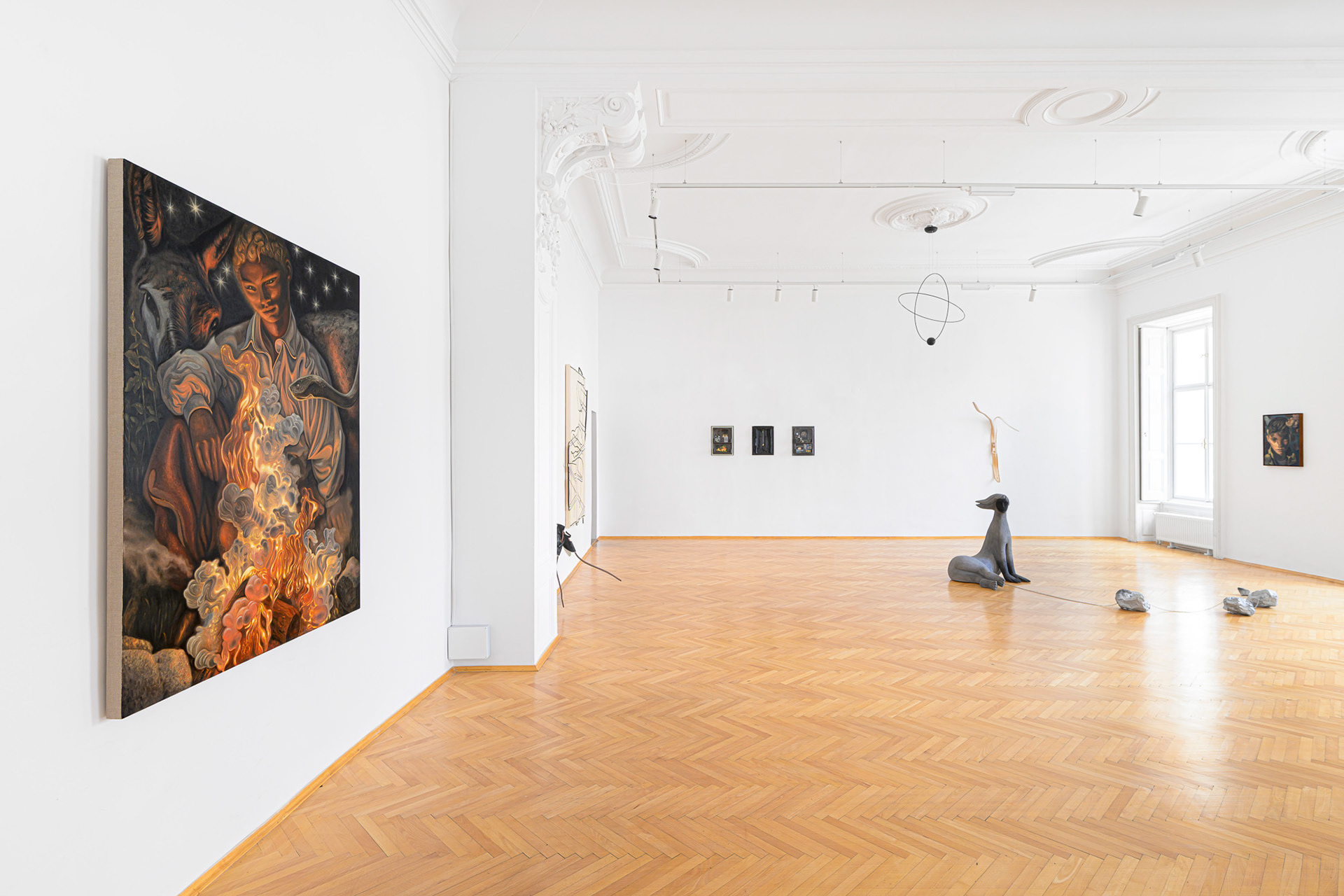
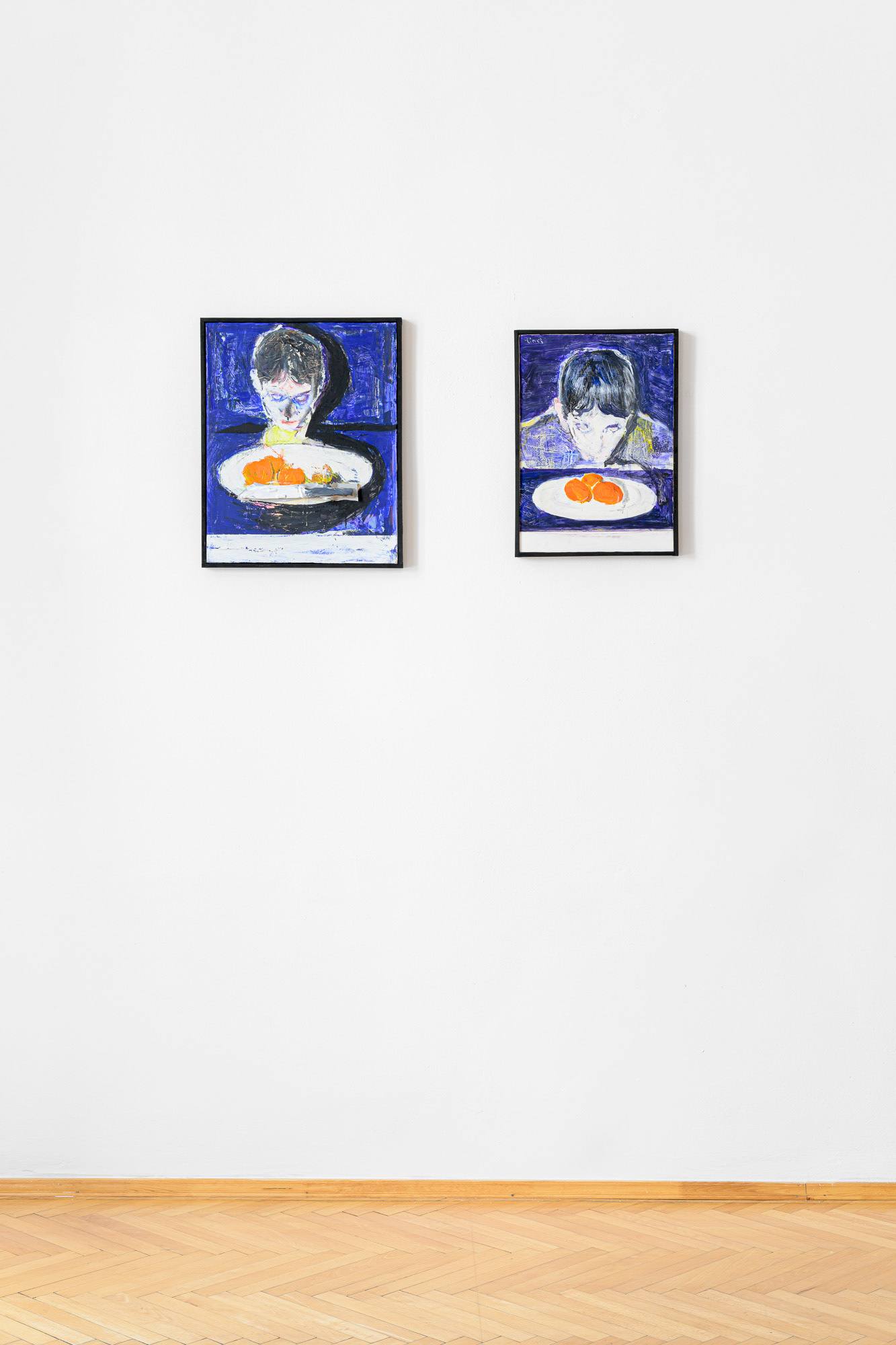
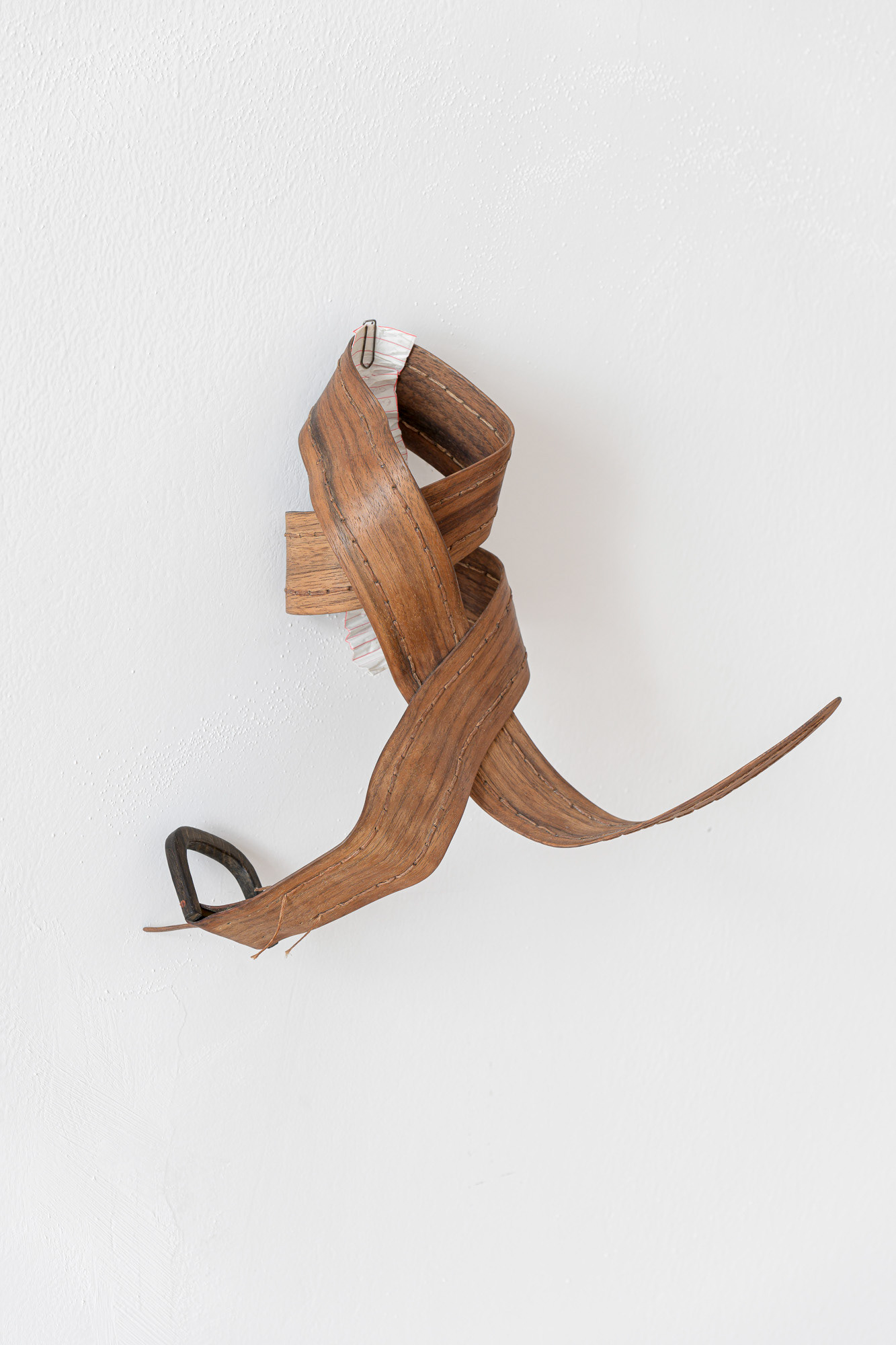
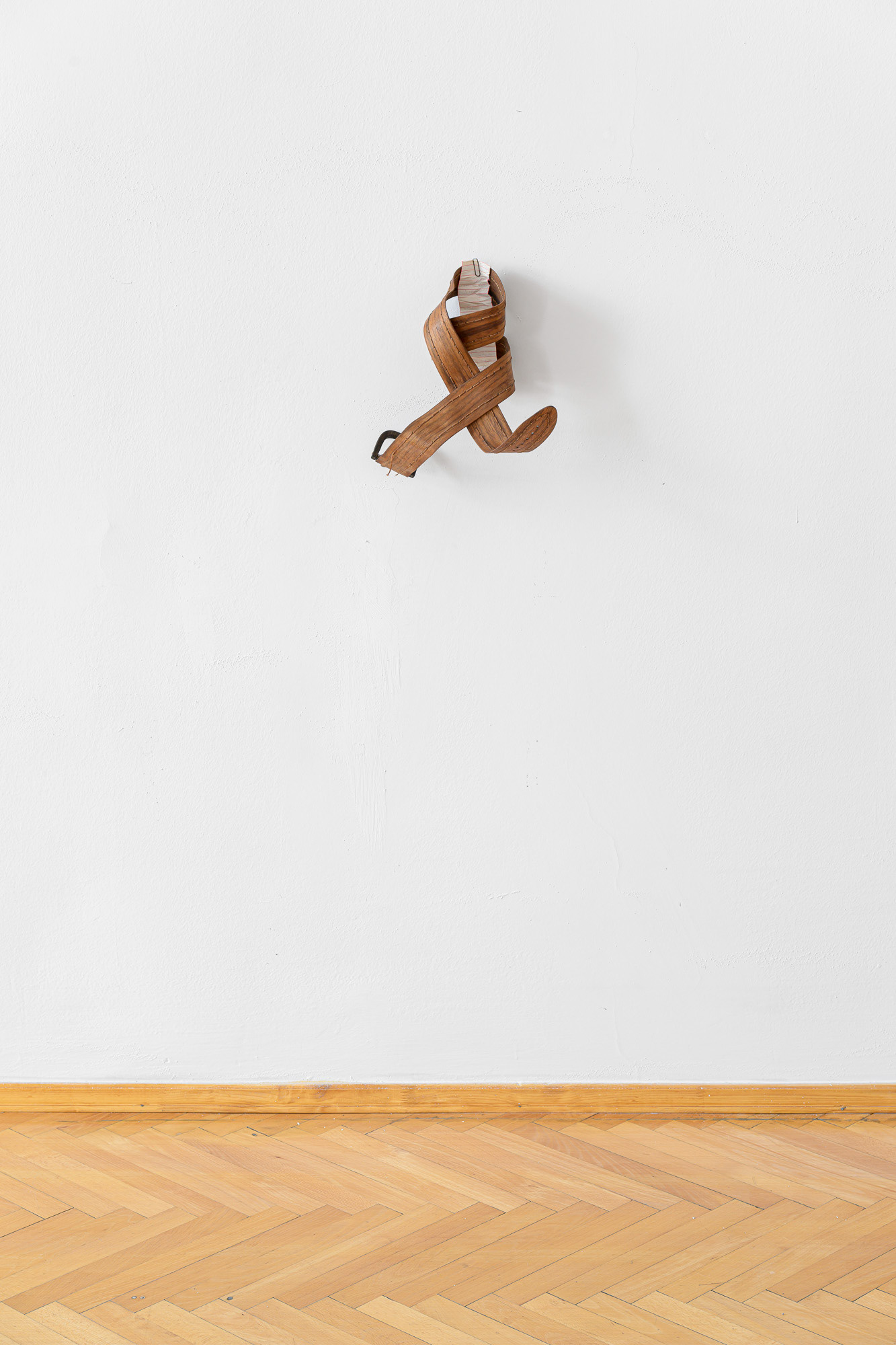
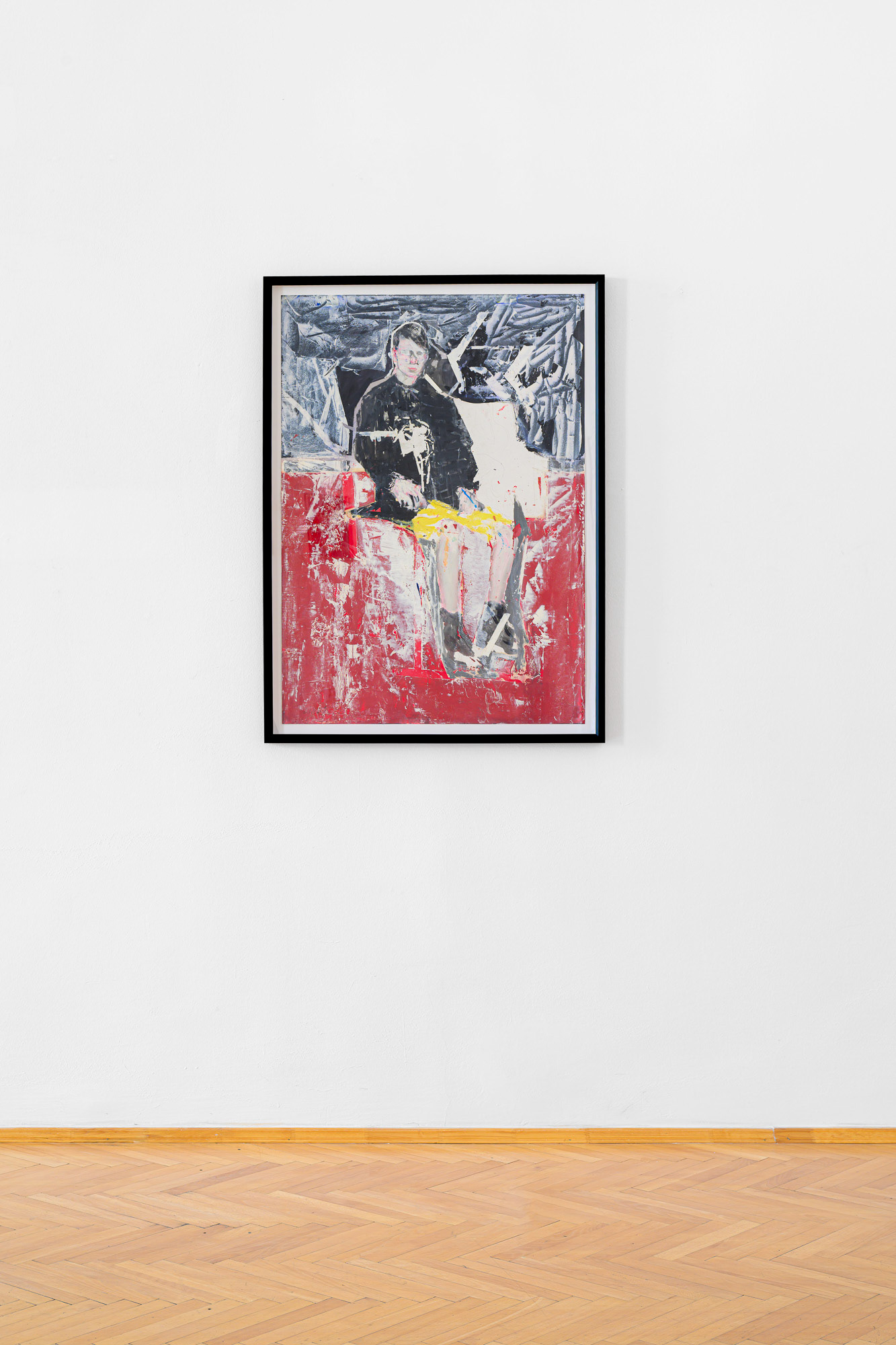
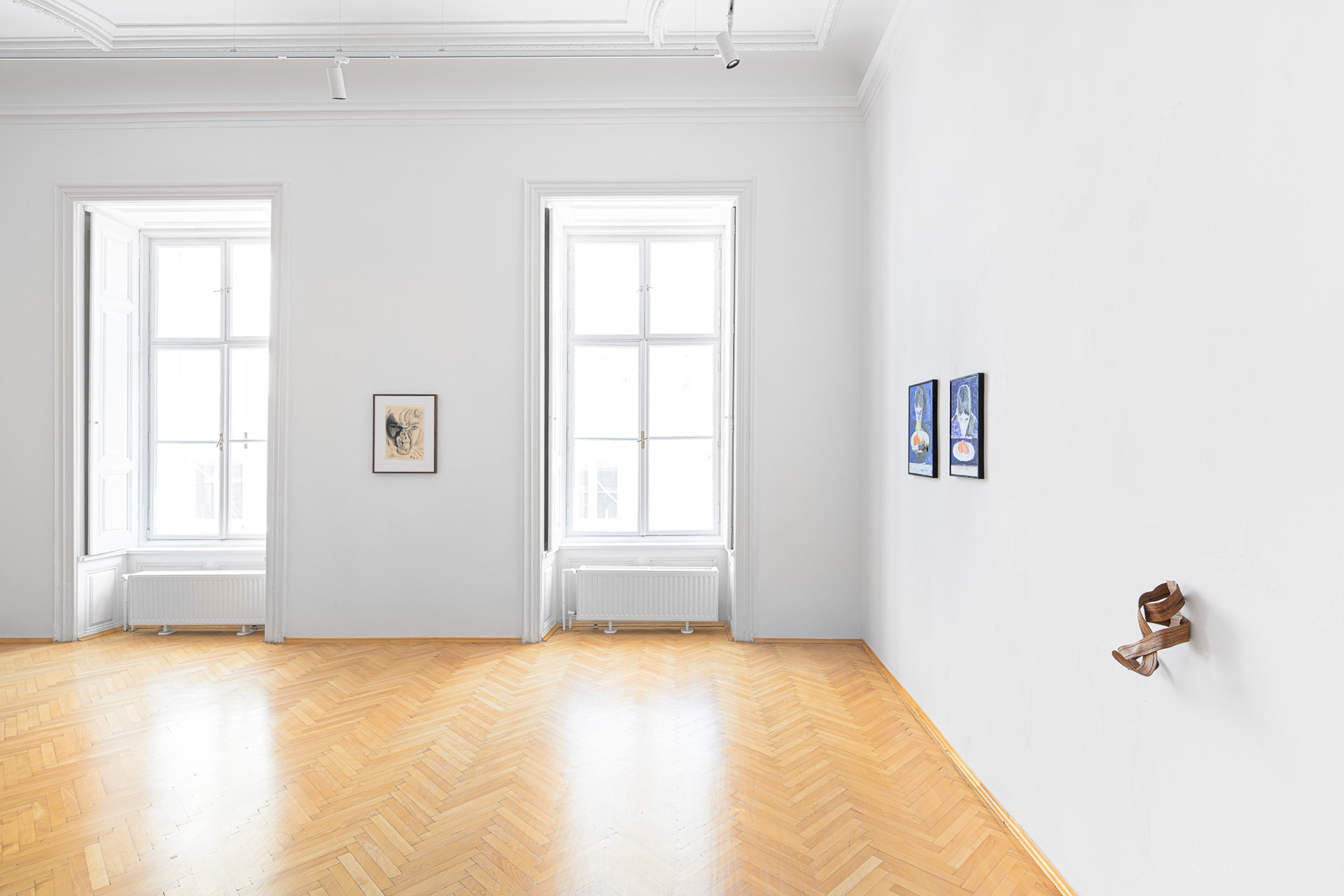
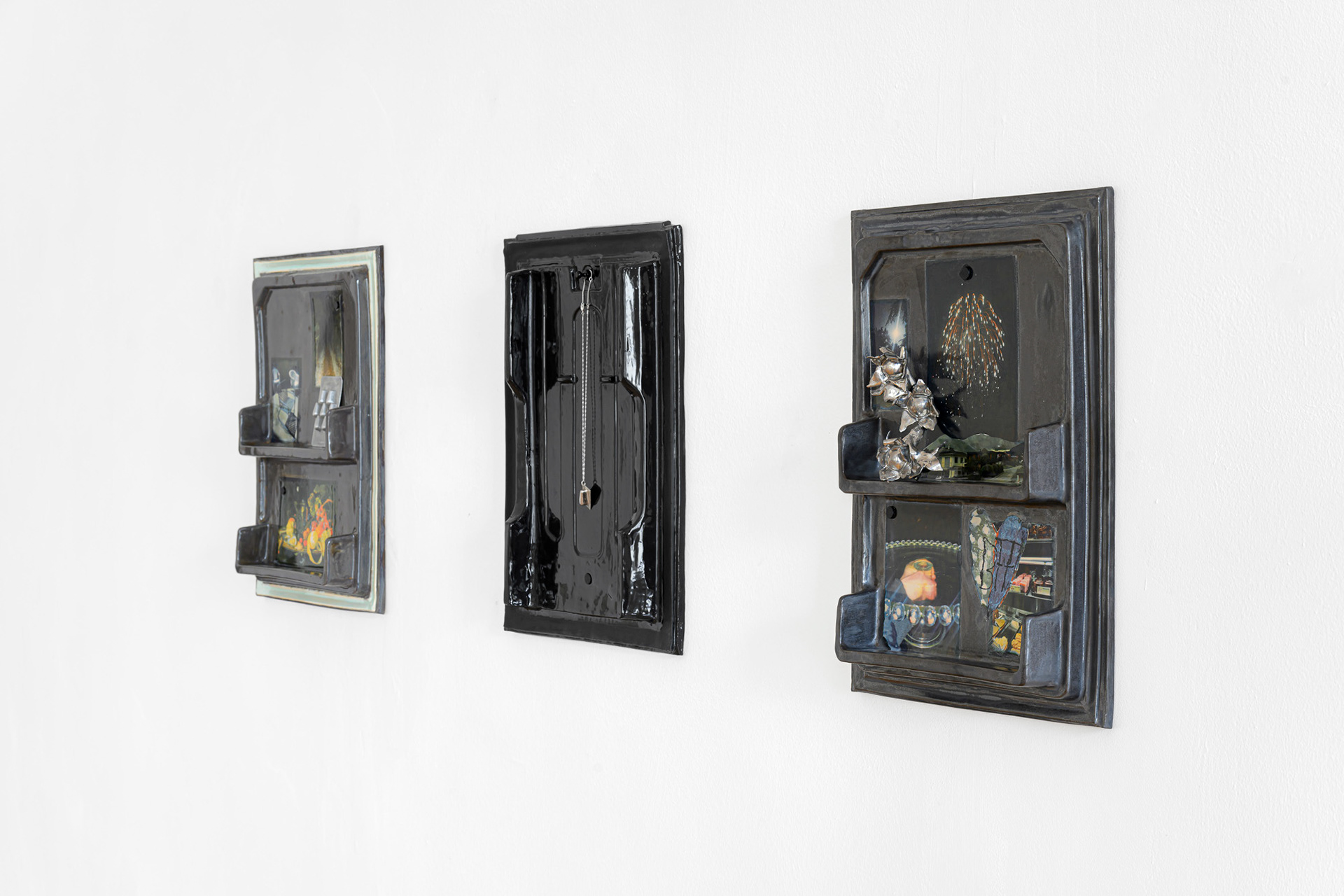
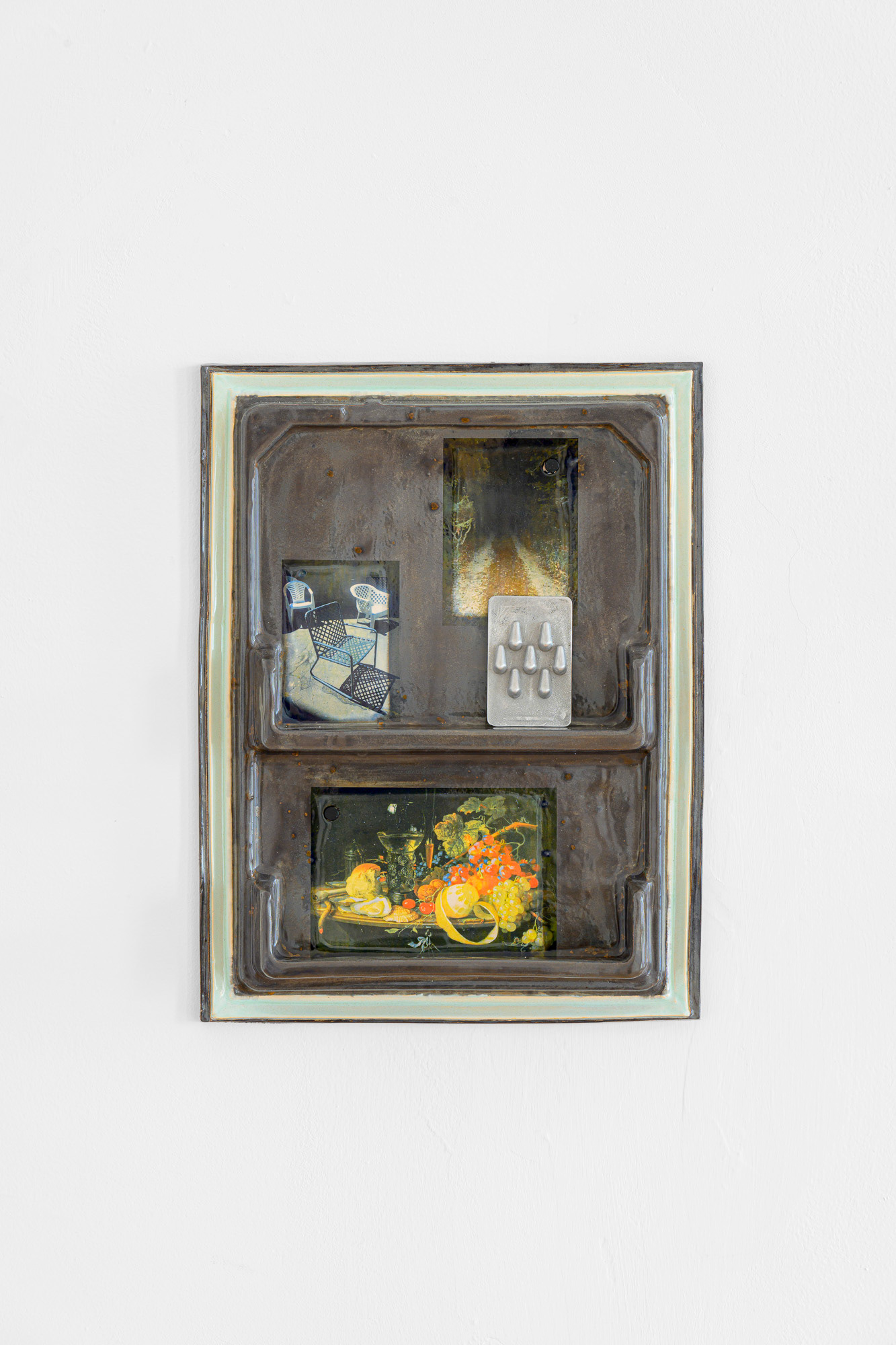
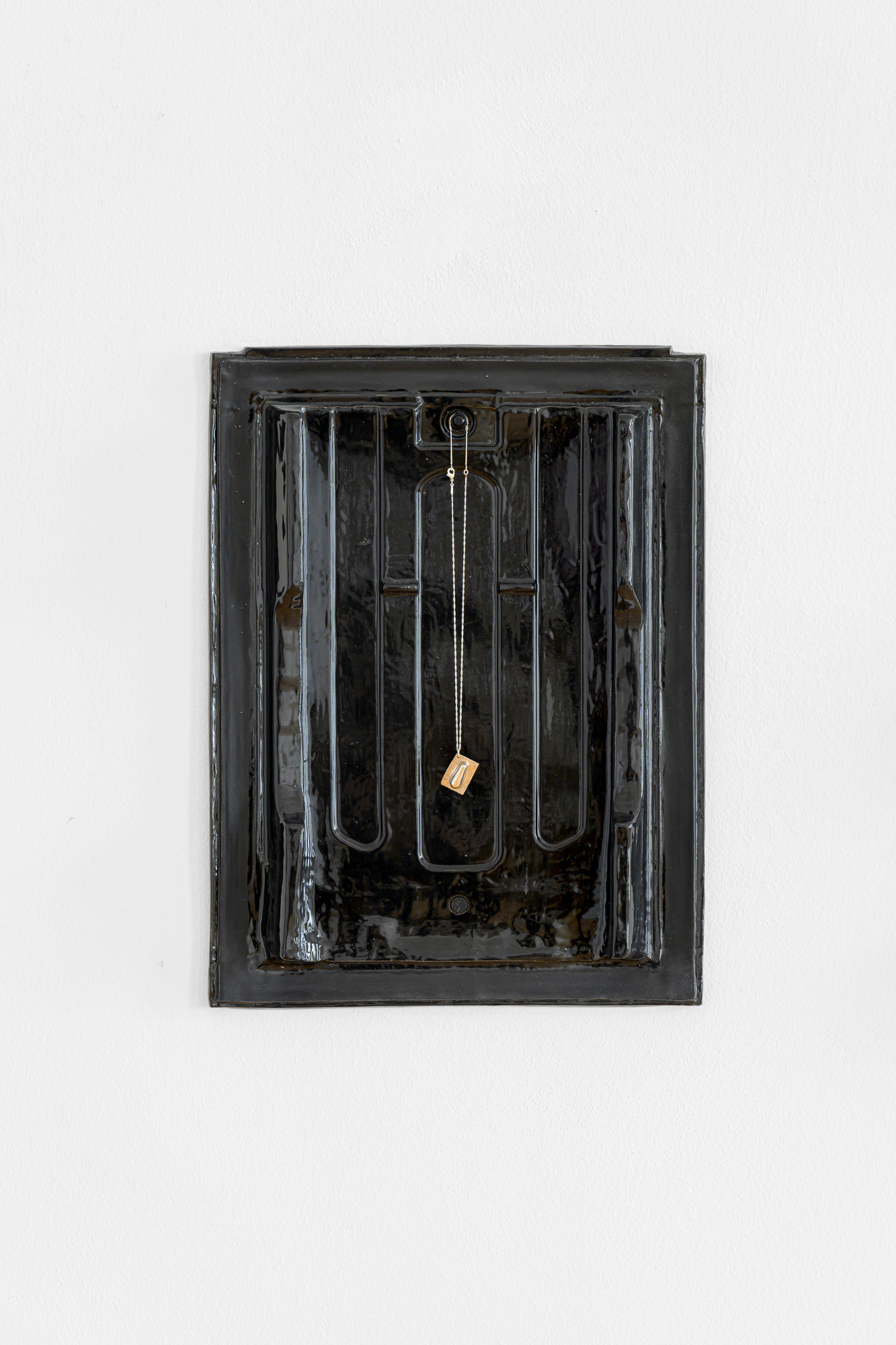
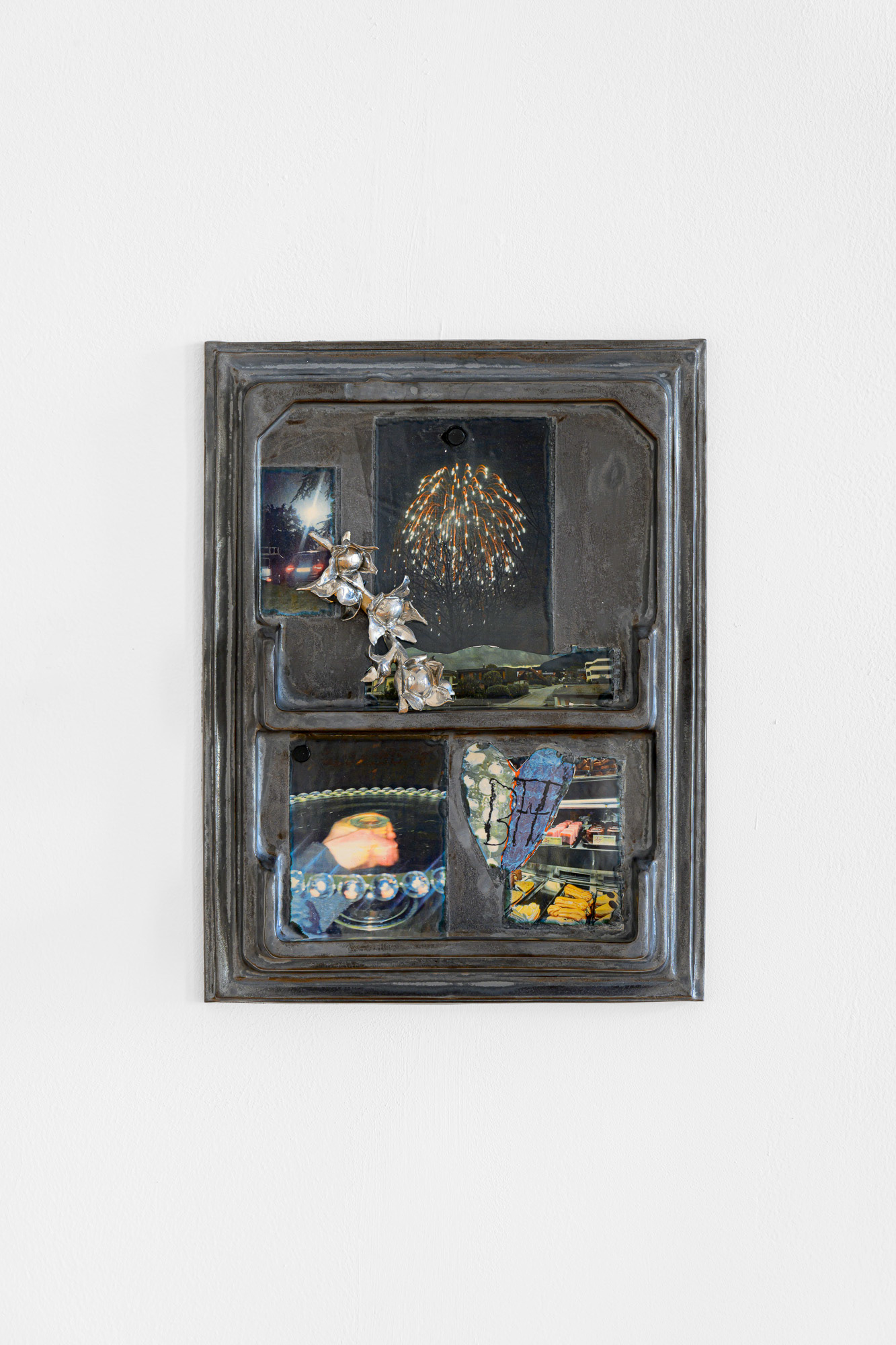
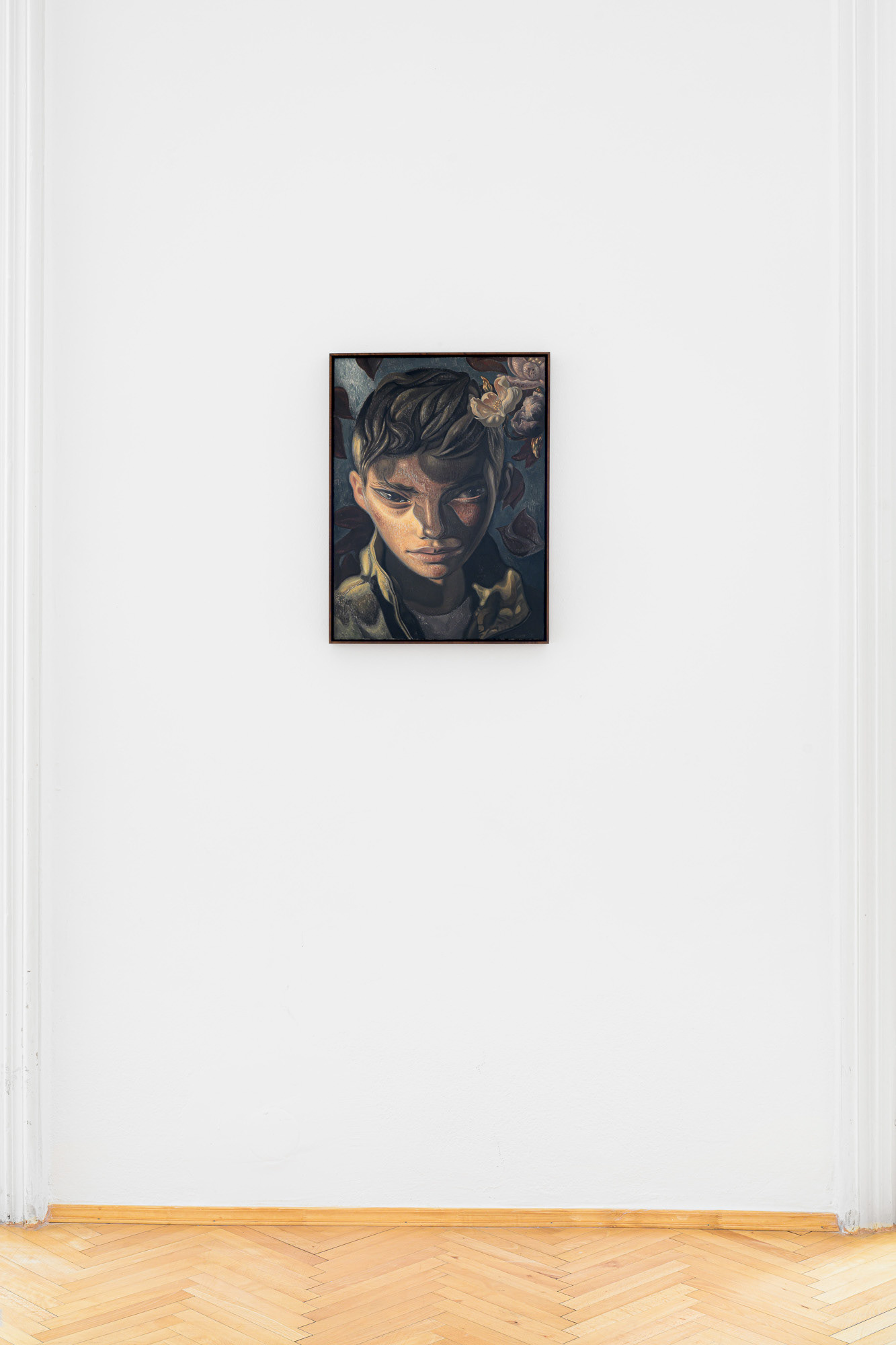
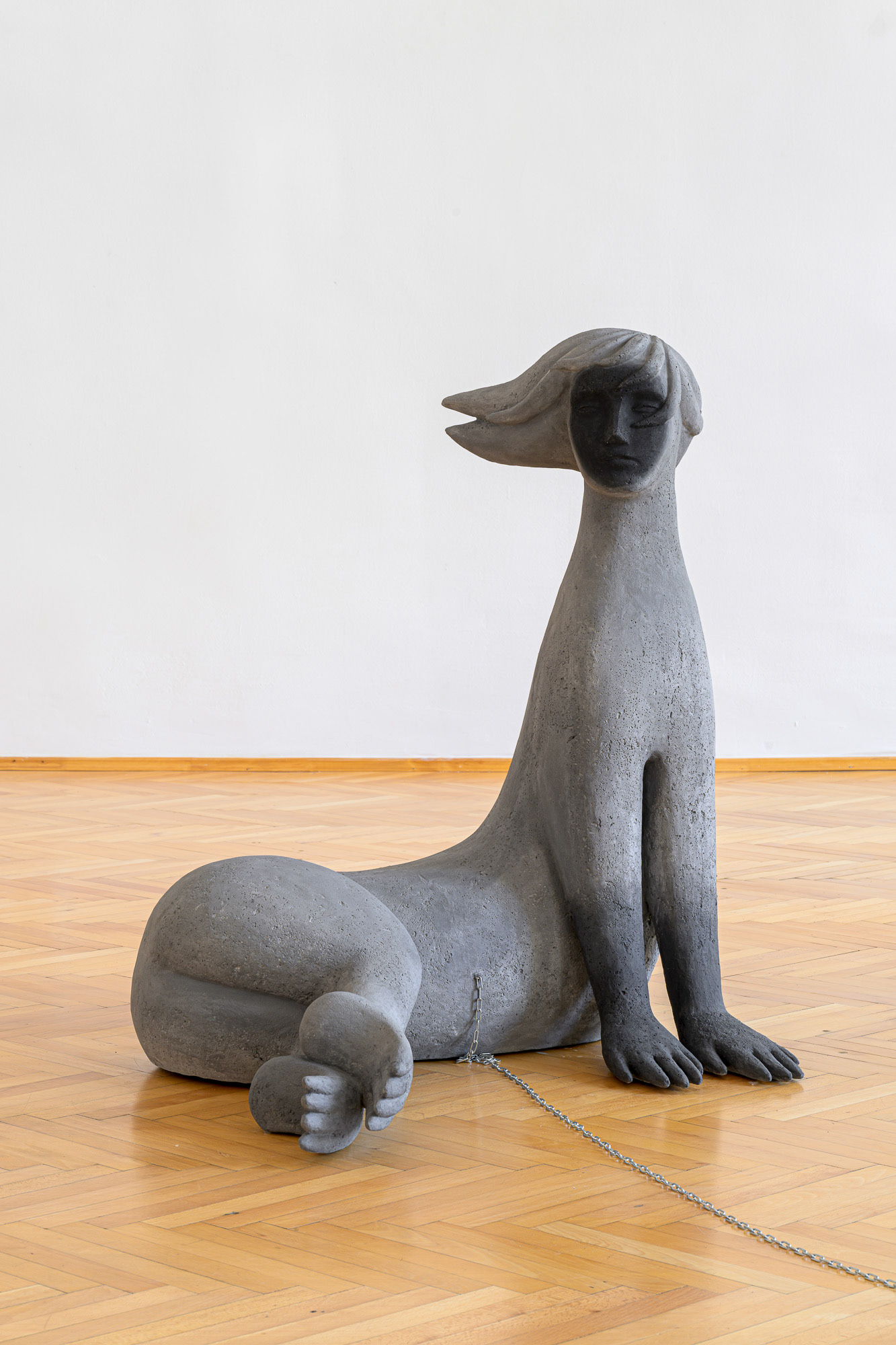
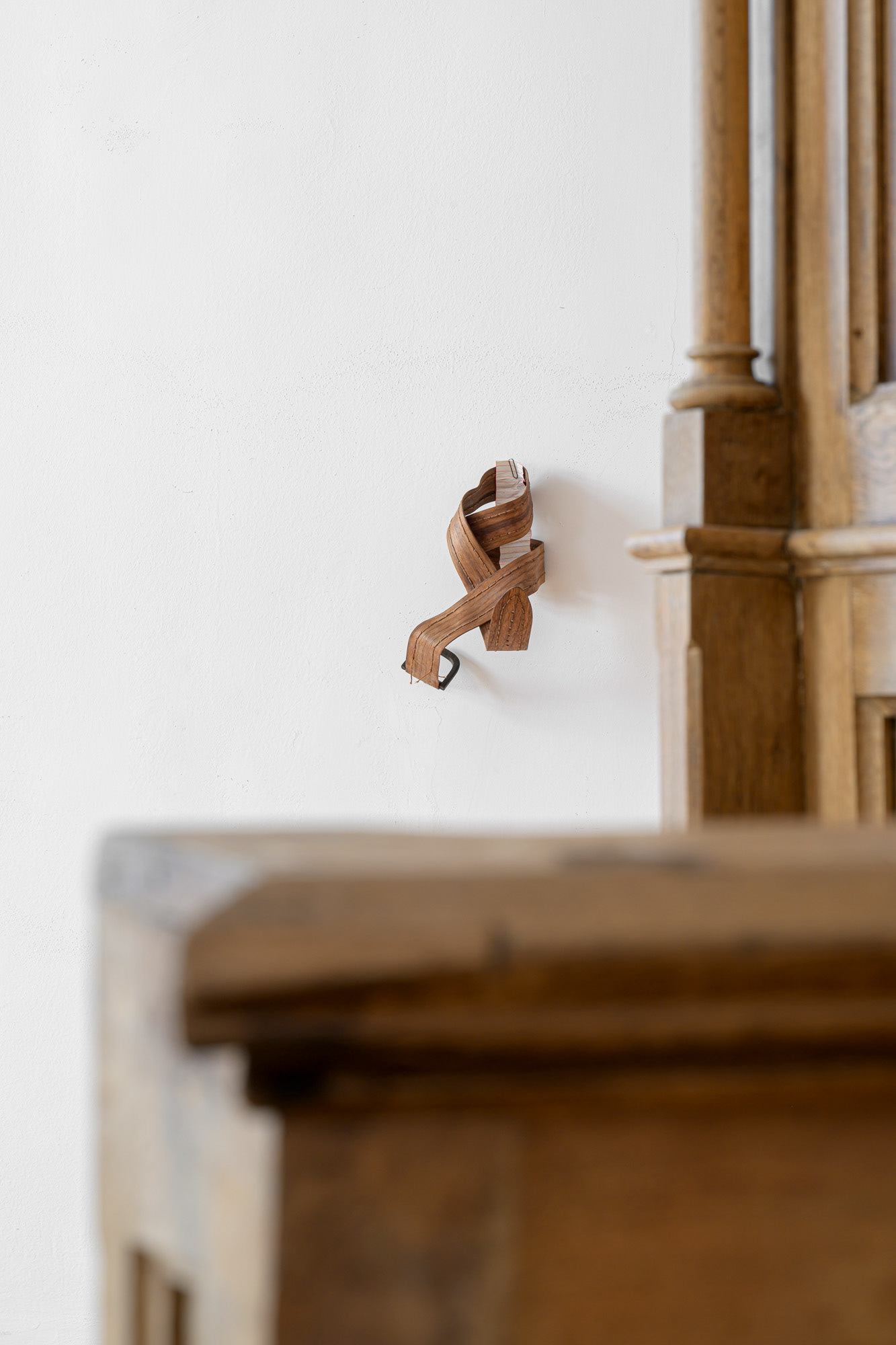
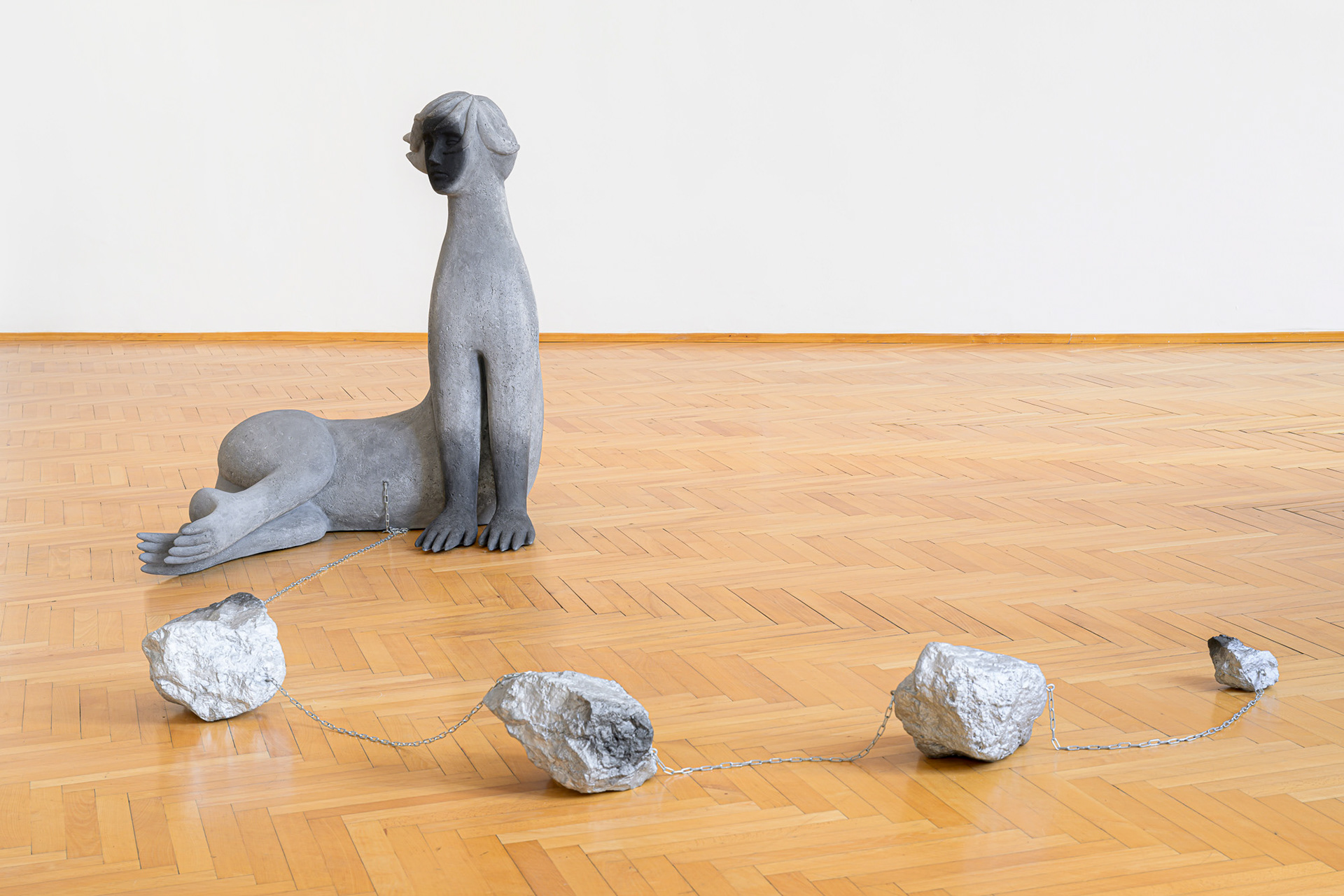
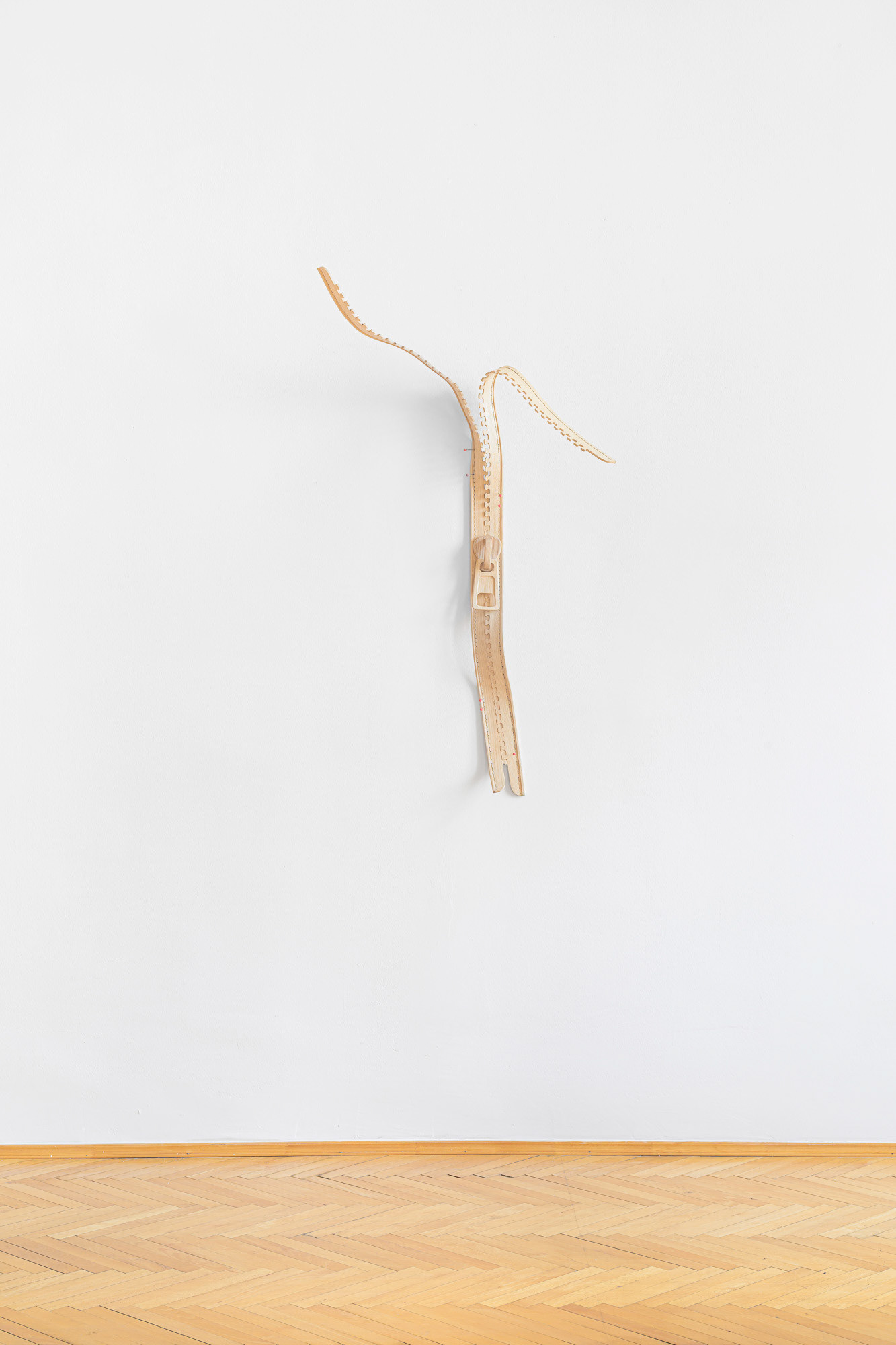
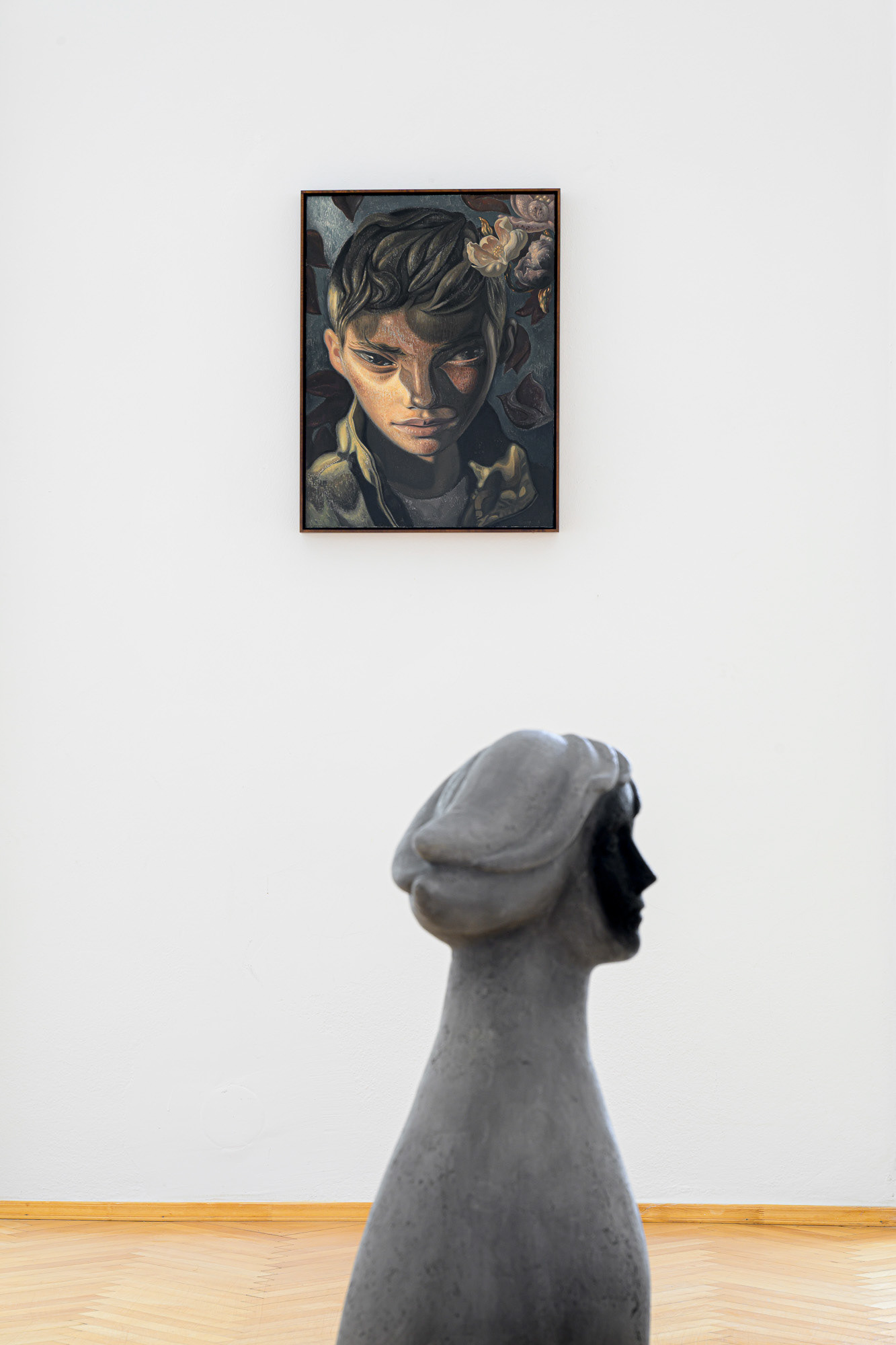
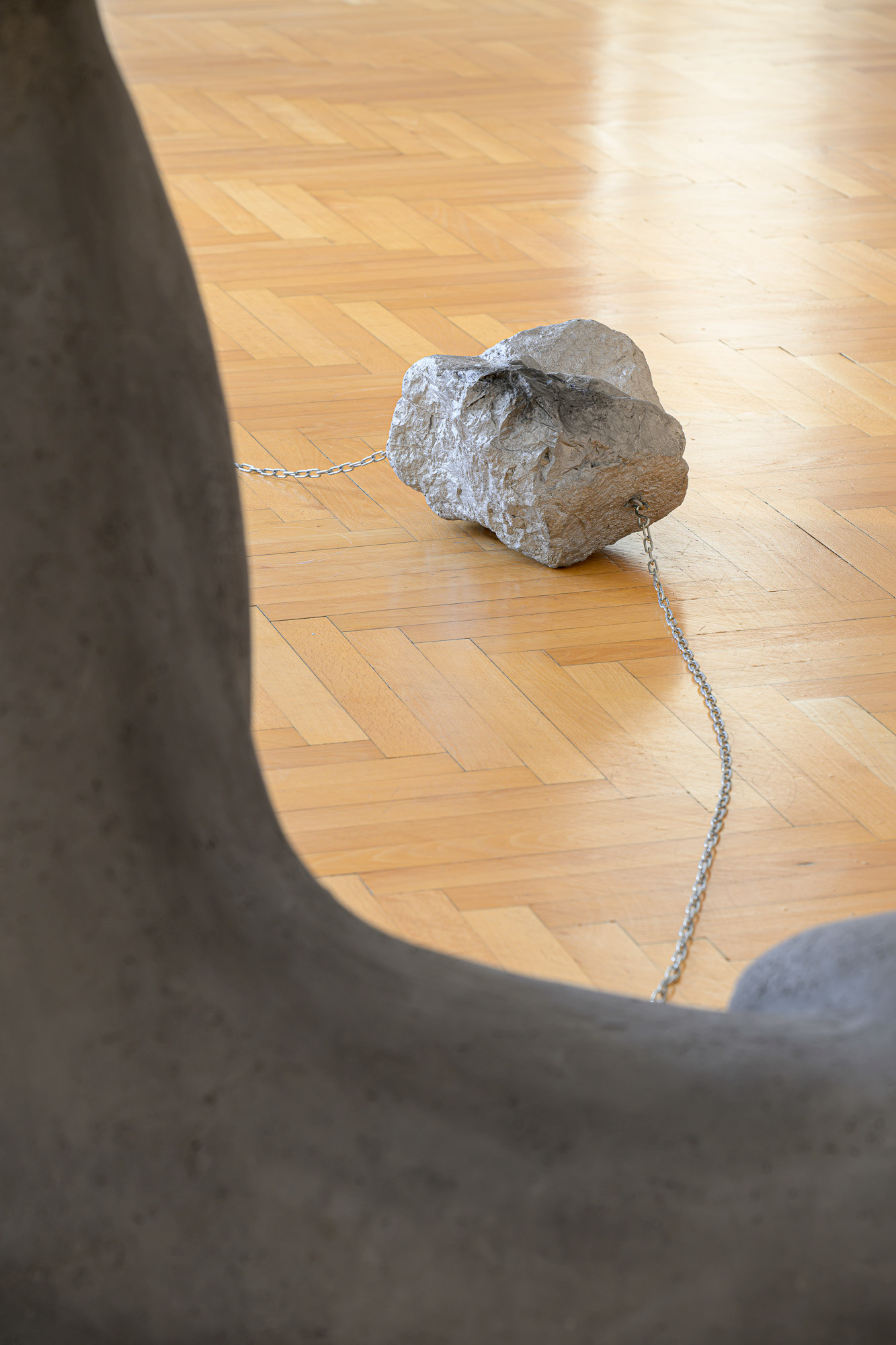
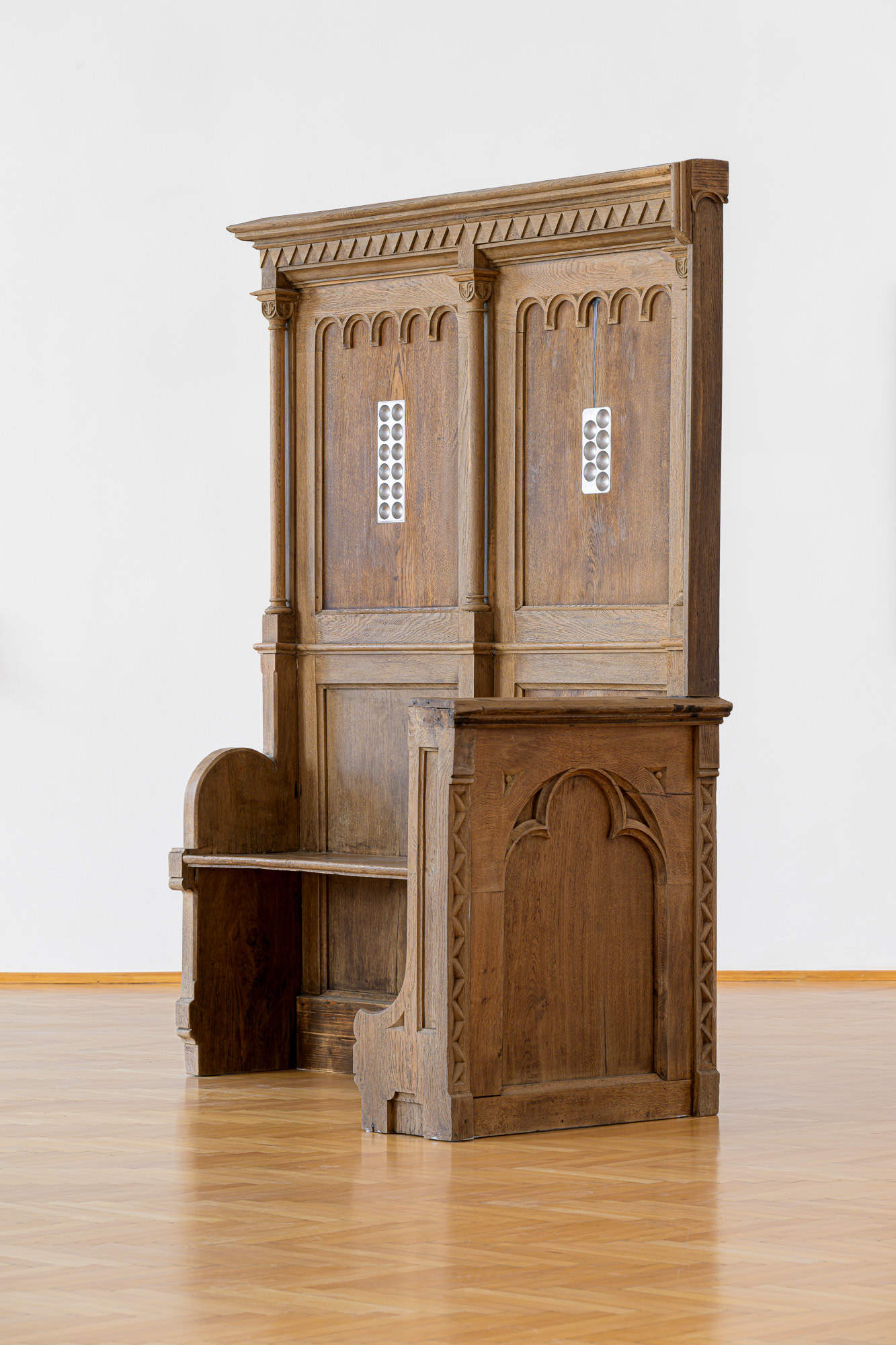
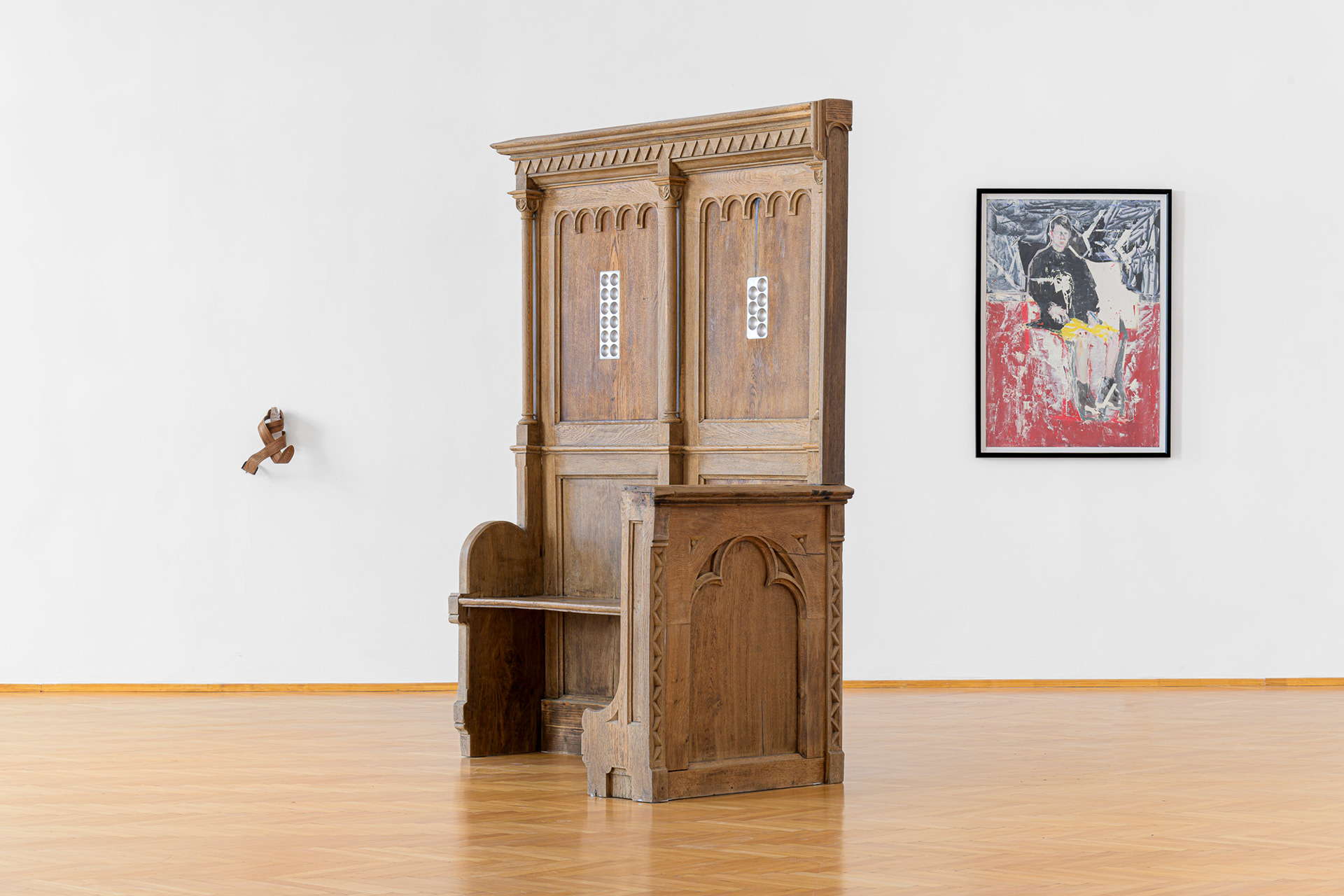
Drawing on mythology, folklore, and popular culture, as well as on moments when the boundaries between the human and non-human, the spiritual and material, and the object and organism dissolve, the group exhibition Shapeshifters brings together artists across generations from Austria, Hungary, Germany, and the Czech Republic. Despite their disparate materials and visual outputs, these artists’ conceptual approaches are anchored in a shared interest in (in)stability, temporality, metamorphosis, and temporary forms of existence. Rather than presenting closed narratives or fixed identities, the exhibition prioritises states of transition and flux. It offers a broad media spectrum—from oil painting and works on paper to ceramic and concrete, wooden sculptures and readymades—where the materials themselves function as both symbols and agents of transformation.
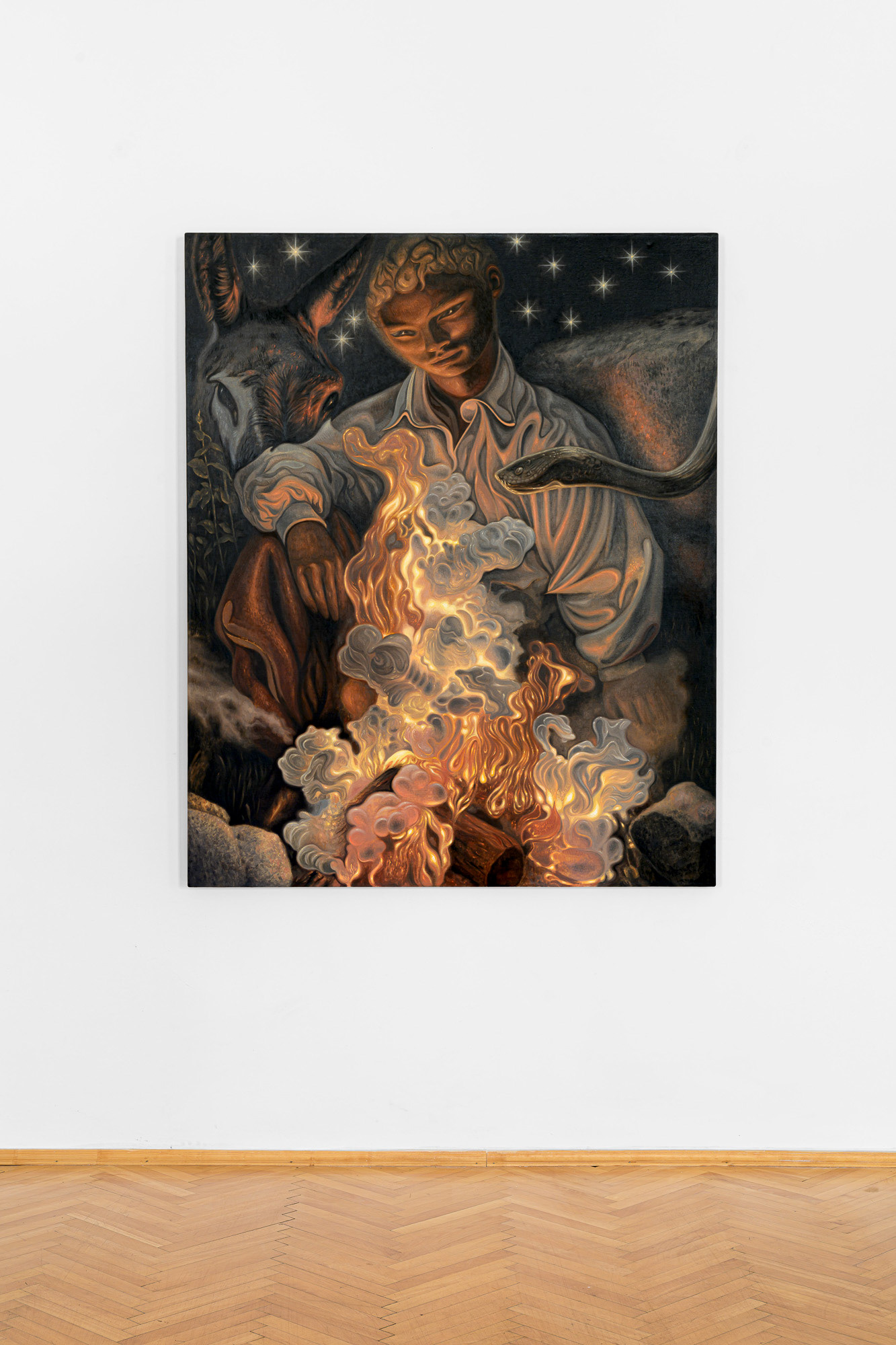
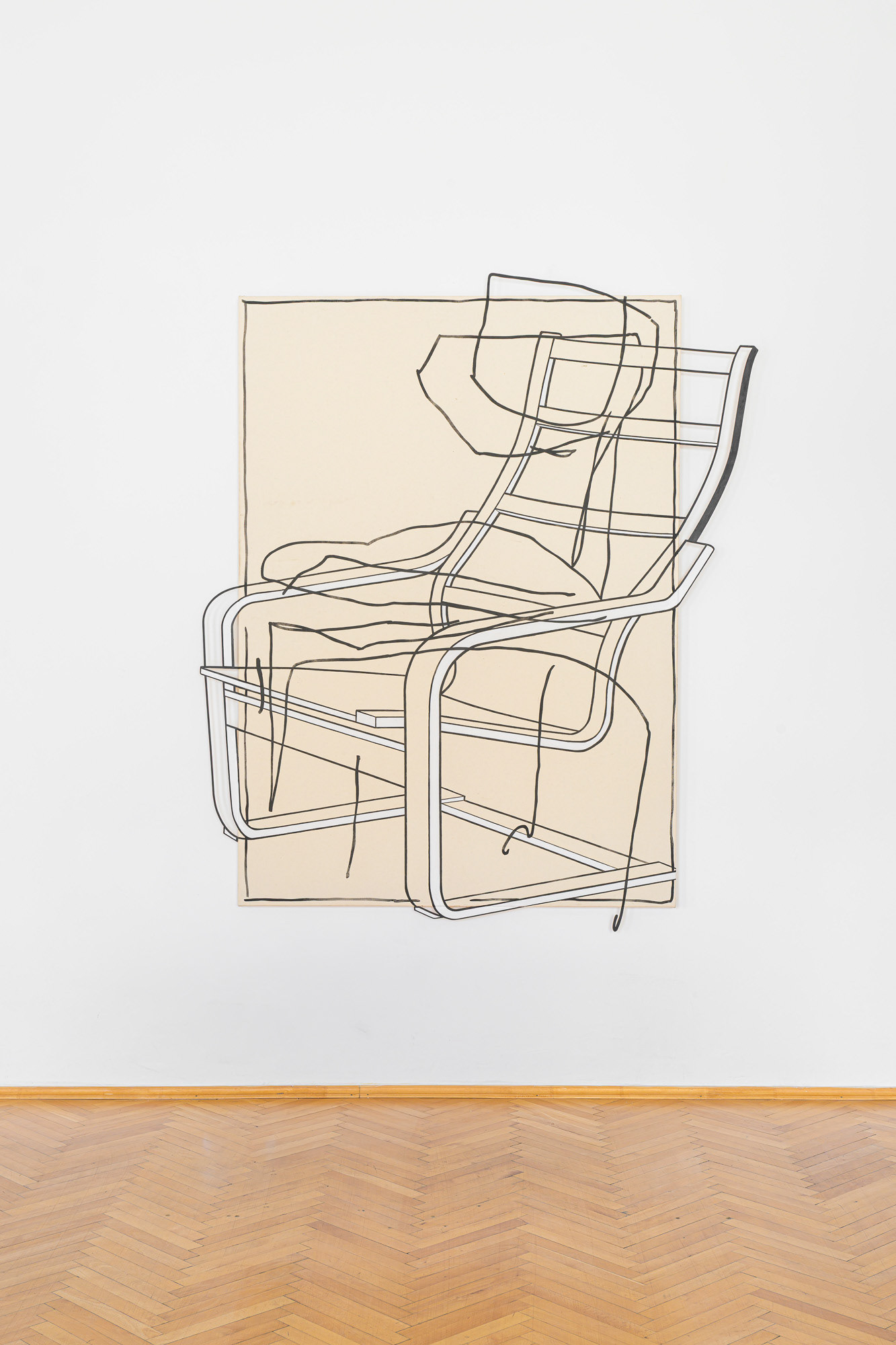
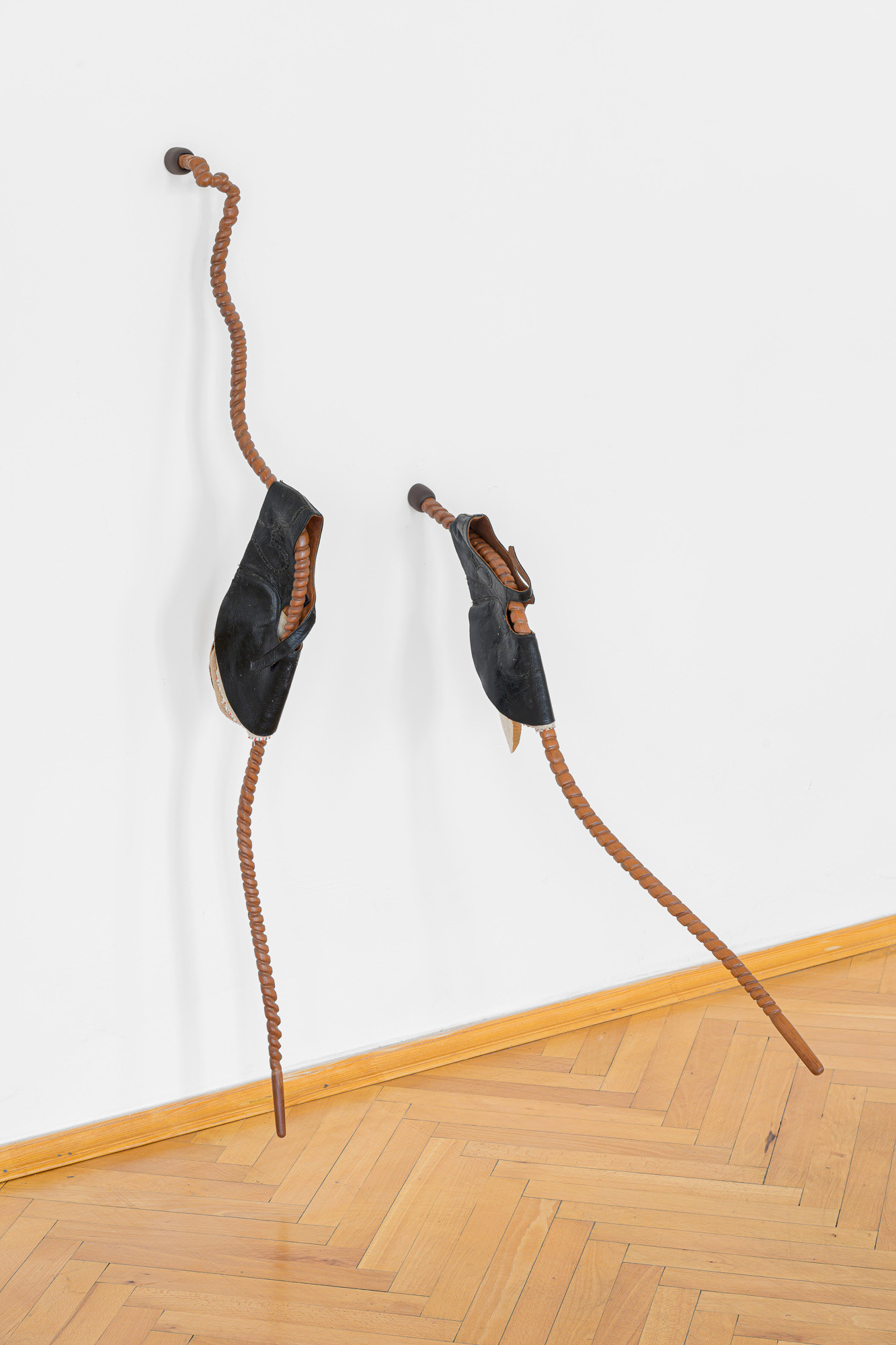
The exhibition brings together two distinct yet equally important narratives. One is driven by figuration, the other by objects, yet both carry equal weight in shaping the whole. We observe figures that change, mutate, and resist simple categorisation, as well as objects that take on a life of their own, acquiring autonomy and new meanings. The figurative scenes engage with both personal and collective mythology, emphasising symbolism and metaphorical layers. They raise questions about identity and unstable psychological states—in a constant process of transformation, shaped by history, memory, or individual experience. Those scenes inhabit an in-between space where they become something or someone else. On the other hand, there are works that appropriate the forms of everyday household objects. Through the artist’s intervention and recontextualization, they change, come to life, acquire anthropomorphic qualities, and become carriers of themes linked to human experience. What at first glance seems intimately familiar transforms into something ambiguous, unsettling, and open to new interpretation.
Posadnutosť zmenou identity, vzhľadu či osudu sprevádza ľudstvo od nepamäti. Priťahujú nás mýty a fantazijné príbehy o upíroch, vlkolakoch či iných bytostiach prekračujúcich hranice ľudskosti, akoby samotná realita bola nedostatočná. Nejde pritom vždy len o únik pred skutočnosťou, ale aj o artikuláciu túžby po premene a možnosti stať sa niekým či niečím iným. Rôzne podoby transformácie dnes už nemožno vnímať len ako doménu bizarných a niché komunít – čoraz viac sa presúvajú do širšieho spektra spoločenských významov. Fungujú ako nasadené masky, nástroj adaptácie, stratégia prežitia alebo ako forma vylepšovania a sebavyjadrenia. Potreba „shape-shiftingu“, fyzickej premeny, je hlboko zakorenená v našej existencii.
Inšpirovaná mytológiou, folklórom či populárnou kultúrou a momentmi, keď sa stierajú hranice medzi ľudským a neľudským, duchovným a materiálnym či objektom a organizmom, skupinová výstava Shapeshifters spája umelkyne a umelcov rôznych generácií pôsobiacich v Rakúsku, Maďarsku, Nemecku a Českej republike. Napriek odlišným materiálovým prístupom a vizuálnym výstupom ich z rôznych konceptuálnych východísk zbližuje záujem o (ne)stabilitu, čas, metamorfózy či dočasné formy existencie. Namiesto zobrazovania uzavretých naratívov a fixovaných identít sa výstava zameriava na stavy prechodu a premeny. Prináša rozsiahle spektrum mediálnych výstupov od olejomalieb a prác na papieri až po keramické objekty, betónové či drevené sochy a readymady, pričom aj samotné materiály figurujú ako symboly a prostriedky premeny.
Výstava prepája dve odlišné, no rovnocenné naratívne roviny. Jedna je vedená figuráciou, druhá objektom, obe však nesú rovnakú váhu vo formovaní celku. Sledujeme postavy, ktoré sa menia, mutujú a odolávajú jednoduchej kategorizácii, aj objekty, ktoré nadobúdajú vlastný život, autonómiu a nové významy. Figurálne výjavy pracujú s osobnou aj kolektívnou mytológiou a zdôrazňujú pritom symboliku a metaforické vrstvy. Otvárajú otázky identity a psychologických stavov, ktoré sú nestabilné – v neustálom procese premeny, formované históriou, pamäťou či individuálnou skúsenosťou. Existujú v medzipriestore, v ktorom sa stávajú niečím alebo niekým iným. Na druhej strane stoja diela, ktoré si privlastňujú formy každodenných domácich predmetov. Autorským zásahom a rekontextualizáciou sa menia, ožívajú, získavajú antropomorfné kvality a stávajú sa nositeľmi tém spätých s ľudskou skúsenosťou. To, čo sa na prvý pohľad zdá dôverne známe, sa mení na niečo nejednoznačné, znepokojujúce a otvorené novej interpretácii.